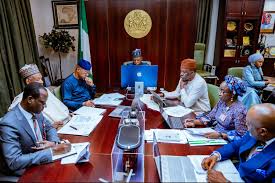
Nigeria is set to inject fresh liquidity into its economy after the National Economic Council (NEC) approved a $4.5 billion refinancing package under the Project Gazelle 2 Pre-Export Finance Facility.
This move is expected to strengthen external reserves, expand fiscal space and reduce crude oil commitments tied to an earlier financing arrangement.
The approval was granted at the 159th meeting of the Council, chaired by Vice President Kashim Shettima on Monday.
The new facility will replace the outstanding balance of the $3.3 billion Project Gazelle financing secured in 2023 by the Nigerian National Petroleum Company (NNPC) Limited. It refinances the remaining $1.5 billion under the original deal while unlocking an additional $3 billion to support the Federal Government’s fiscal and infrastructure priorities.
Minister of Finance and Coordinating Minister of the Economy, Dr. Taiwo Oyedele, said the refinancing was negotiated on more favourable commercial terms, easing the burden of the original agreement.
According to him, the volume of crude oil pledged under the facility has been reduced from 90,000 barrels per day to about 78,750 barrels per day, representing a 12.5 per cent decline.
The revised arrangement, he explained, releases 11,250 barrels of crude oil per day back to the Federation while lowering NNPC Limited’s crude oil obligations under the financing structure.
Oyedele said the refinancing would improve Nigeria’s financing framework by providing additional liquidity at lower cost while preserving more crude oil revenues for the country.
The Project Gazelle facility is part of the Federal Government’s strategy to leverage future oil proceeds to raise foreign exchange financing for economic stabilisation and priority development projects.
Beyond the financing decision, the Council also considered measures to strengthen social protection across the country.
Vice President Shettima urged state governors and other members of the Council to embrace a more responsive, scalable and data-driven approach to tackling multidimensional poverty, stressing that government interventions must translate into visible improvements in the lives of Nigerians.
He noted that citizens judge governments by the impact of their policies rather than policy announcements, calling on Council members to ensure that decisions taken at the highest levels of government respond directly to the needs and expectations of the people.