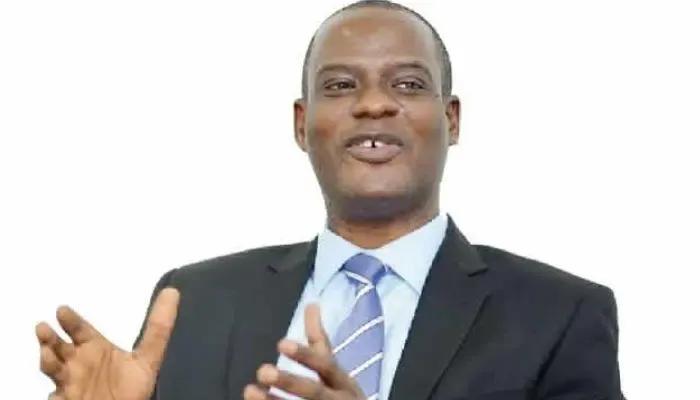
Tax Reform Bills: The Verdict of Nigerians

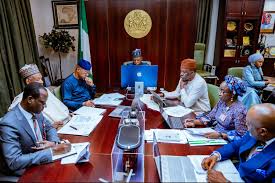
By Abdullahi Ismaila Ahmad, Ph.D The public hearings conducted recently by the two Chambers of the National Assembly have elicited positive responses from a broad spectrum of Nigerians, cutting across regional interest groups, government agencies, civil society groups, concerned individuals, the academia, and Labour Unions, among diverse others. Contrary to a few dissensions hitherto expressed in the media, almost all the stakeholders who spoke during the week-long sessions were unanimous in their declaration that the hallowed Chambers should pass the tax reform bills after a clean-up of the grey areas. The public hearings were auspicious for all Nigerians desirous of economic growth and fiscal responsibility. They were also a watershed moment for the Federal Inland Revenue Service, which had been upbeat about the tax reforms. Indeed, the public hearings had rekindled hope in the tenets of democracy that guarantee freedom of expression and equitable space for cross-fertilisation of ideas. Without gainsaying the fact, the tax reform bills have been unarguably about the most thought-provoking issues in Nigeria today, drawing variegated perspectives and commentaries from even unlikely quarters such as the faith-based leaders, student bodies, and trade unions, which speaks much about the importance of the bills. READ ALSO: why Nigerians should not pay tax In the build-up to the public hearings, not many people believed that the bills would make it to the second reading, much less the public hearings. Even the Northern stakeholders who seemed unlikely to support the passage of the bills have softened their stance and have given valuable suggestions that would enrich the substance of the bills. The Arewa Consultative Forum came to the public hearings well-prepared with a printed booklet that addressed their concerns. It concluded with an advisory that the bills should be “Well planned, properly communicated, strategically implemented and ample dialogue and political consensus allowed for the reforms to be accepted.” The concerns of ACF ranged from the composition of the proposed Nigeria Revenue Service Board as contained in Part 111, Section 7 of the bill, the unlimited Presidential power to exempt/wave tax payment as proposed in Section 75(1) of the bill, the family income or inheritance tax as contained in Part 1, Section 4(3) of the bill, to the issues around development levy and VAT. On the development levy, the ACF stated that unless the Federal Government is considering budgetary funding for TETFUND, NASENI and NITDA, it does not see the “wisdom behind the plan to replace (them) with NELFUND”. The position of the North was equally reinforced by the Supreme Council for Shariah in Nigeria, Northern Elders Forum, Kano State Government, Professor Auwalu Yadudu, and the FCT Imams. Like the ACF, these stakeholders lent their respective voices to the Section on the Inheritance Tax in Part 1 of the bill and the use of the term ‘ecclesiastical’, which, in their views, undermines certain religious rights and beliefs. The Kano State Government, represented by Mahmud Sagagi, affirmed that “we support tax modernisation” but cautioned that “we must ensure that this process does not come at the expense of states’ constitutional rights and economic stability”. Professor Auwalu Yadudu, a constitutional law professor, drew attention to the use of the ‘supremacy clause’ and cautioned that the repeated use of “notwithstanding” in the bills would undermine the supremacy of the Nigerian constitution if passed as such. Other stakeholders that made contributions at the sessions included the Nigeria Liquefied Natural Gas, Fiscal Responsibility Commission, Revenue Mobilisation Allocation and Fiscal Commission, Federal Ministry of Industry, Trade and Investment, Institute of Chartered Accountants of Nigeria, Chartered Institute of Taxation of Nigeria, Nigeria Customs Service, and a host of others. While most of their concerns bordered on technical issues requiring fine-tuning, they were unanimous in their support for the bills. They aligned with the position of the Executive Chairman of the Federal Inland Revenue Service, Zacch Adedeji, Ph.D. and the Chairman of the Presidential Committee on Fiscal Policy and Tax Reforms, Mr Taiwo Oyedele, which is that the extant tax laws and fiscal regulations are obsolete necessitating reforms aimed at creating a fair and equitable tax and fiscal space to grow Nigeria’s economy. In one of the sessions, Dr Zaach Adedeji expounded on the criss-cross of trade activities in the Free Trade Zone whereby companies misuse tax waivers as exporters to sell their goods or services in the Customs Area at an amount usually less than the price the operators in the Customs Area who pay VAT and other taxes sell theirs thereby disrupting business transactions. This way, the operators in the Free Trade Zone shortchange the government in paying their due taxes by circumventing extant regulations, which are inimical to the economy’s growth. Overall, the presentations were forthright, foresighted, and helpful in elucidating the issues contained in the bills. According to the statistics read out at the end of the hearings at the Senate, 75 stakeholders were invited, 65 made submissions, and 61 made presentations. At the House of Representatives 53 stakeholders made presentations. By all means, this is a fair representation. Given the presentations, it is evident that the National Assembly has gathered enough materials to guide its deliberations on the bills. As we look forward to the passage of the bills, we commend the leadership of the National Assembly for their unwavering commitment to making the bills see the light of the day. Abdullahi is the Director of Communications and Liaison Department, FIRS.
New Tax Bill Will Ease Burden on Workers – FG Replied NLC

The Presidential Committee on Fiscal Policy and Tax Reforms has assured Nigerian workers of favorable provisions in the proposed tax reform bills. Despite concerns raised by the Nigeria Labour Congress (NLC), which called for more consultations on the bills, the committee highlighted that the reforms prioritize the welfare of employees, particularly those in low-income brackets. According to the committee, individuals earning less than ₦1 million annually will be exempted from personal income tax, benefiting about one-third of workers across the public and private sectors. Workers with annual earnings up to ₦20 million will also see reduced tax rates, extending relief to an additional 60% of the workforce. READ ALSO: Catholic Priest Arrested for Murder Special exemptions have been outlined for members of the armed forces engaged in combating insecurity, reflecting targeted relief measures in the reforms. The committee encouraged the NLC to engage in discussions for further refinement of the bills, emphasizing the potential of the reforms to bring tangible benefits to Nigerian workers if implemented effectively. Analysts have however, observed that what the lower income earners gain in the form of tax exemption may be expended on the higher cost of goods and services due to the transfer of burden by goods and service providers who shall be paying higher taxes.
The Metaphor of the Bleached Whale and Resistance to the Proposed Tinubu Tax Bill

The proposed tax bill being debated by the Nigerian Senate whose stated goal is to overhaul the country’s tax system, simplify the tax landscape, reduce the burden on small businesses, and streamline how taxes are collected has pitted national interest against parochial tribal and regional agenda. Although objective analysis seems to suggest that on balance, the proposed tax reform is great for the overall interest of the nation as it eliminates multiple taxation across the country, deploy taxation as a tool to encourage private sector investments in critical industries and boost individual disposal incomes through targeted tax exemptions, the passage of the bill hangs in the balance. All through our history as a nation, national interest has always taken the back seat to parochial tribal and regional hegemonic interest. Even our struggle for independence from the British was almost derailed by those who perceived that their region will be disadvantaged by the more advanced and educated regions of the country. READ ALSO: Tinubu Seeks NASS Approval for N1.77trn External Loan If we were to draw an analogy to Nigerian state from the animal world, the most appropriate would probably be the image of a bleached whale in an impoverished sea-shore community whose inhabitants see a stranded bleached whale as manna from heaven and each has brought out in an orgy of gluttony, any cutting device they could lay their hands on to carve out for themselves as much of the free meat as they could grab. There is actually a concept in political science, known as political particularism, which describes the propensity of policymakers and politicians to further their careers by catering to narrow interests rather than to broader national platforms. So, it is not a unique problem to our country for politician to think national but act locally, to take into cognizance how national policies will affect their local community. After all the essence of politics is the process by which choices are made regarding how resources will be allocated and which economic and social policies government will pursue. Put more simply, politics is the process of who gets what and how. In the U.S. Congress, there is actually a term for this phenomenon of political particularism. Pork barrel projects, refer to appropriations for constituents’ sweetheart projects by senators and members of Congress that are inserted into and hidden in big omnibus legislative documents as part of the legislative negotiation process. READ ALSO: WHY I REGRET NOT BUYING ARSENAL – DANGOTE So, it is not a uniquely Nigerian problem, it is just that ours is the extreme form of political particularism in which our politicians take as their default mode of operation to subvert critical national interests in pursuit of parochial selfish agenda. Just like pigging out on the meat of bleached whale often come with the risk of botulism Type E outbreaks, and high metal toxicity, our country has paid a huge price from our tendency to treat it as a bleached whale where everyone takes as much as they could at the expense of everyone else and at the expense of our national interest. Our extreme form of political particularism, of putting tribal parochial interest above national is the root cause of our leadership failure, the stagnation of our economy, the failure of our institutions, and the endemic corruption that has stymied our national development and pauperized our citizens. It explains why a particular region or country has cornered for itself a disproportionate number of nation’s oil well licenses and why our presidential elections have become a do or die contest for tribal hegemonic domination. It is the reason that our country after 64 years of independence does not have a reliable census of its population and other critical national data for rational development planning. READ ALSO: Population Commission Denies Plan to Conduct Census in 2025 Given our history, it will take all of the political capital the president can expend to push the proposed tax bill over the line against the massive force that has been arrayed against it. Adewale Alonge, PhD, is Founder & President, Africa Diaspora Partnership for Empowerment and Development. www.adped.org
Tinubu’s Tax Reform Bills: The Beginning of Fiscal Federalism?

Not a few notable figures from the northern part of the country have expressed vehement opposition to the four tax reform bills proposed by President Bola Tinubu. Apart from the resistance to the piece of legislation by senators Abdul Nigi and Ali Ndume from Bauchi and Borno States, respectively, the greatest salvo yet, was delivered by Governor Babagana Zulum of Borno state who has raised alarms about the potential consequences of the proposed tax reform bills. Governor Zulum warned that the legislation, advancing rapidly through the National Assembly, could severely harm the economic prospects of the North and other regions of Nigeria. He compared the swift legislative action on the tax bills to the prolonged process of the Petroleum Industry Bill, which took nearly two decades to pass. He cautioned that the bills, if enacted, could hinder development efforts, including the ability to pay salaries in Northern states. The governor argued that the tax reforms would disproportionately affect certain regions, particularly in the North, as well as parts of the South West and South East. He expressed concern that the bills were being pushed through with little regard for their long-term effects on the country’s future. Zulum’s opposition may have been informed by the general intent of the bills which represents a significant shift in the manner of the distribution of VAT revenue. The new laws tend to mark the beginning of the much clamoured call for fiscal federalism as it provides for the allocation of VAT revenues based on the states where goods and services are consumed rather than pooling them centrally for redistribution as done for proceeds from the sale of oil and other national assets. Mr. Zacch Adedeji, the Federal Inland Revenue Service (FIRS) Chairman argued at a forum that the proposed sharing arrangement aligns VAT with its nature as a consumption tax. On the contrary, the north being largely agrarian, produces most cereals and other produce for the food and industrial raw materials needs of the country. Yet they do not benefit from VAT, even though the finished products are taxed. It is this mismatch or anomaly that may have been inflaming passions. Governor Zulum, however, emphasized that his opposition to the bills did not equate to opposition to the current administration but rather a plea for reconsideration. He also stated that some individuals may be misleading President Bola Tinubu into thinking the North does not support his government.
Tax Reform Bills Scale Second Reading at the Senate

The Senate has moved forward with the four tax reform bills presented by President Bola Tinubu, sending them to a second reading on Thursday. After a lengthy debate, the bills were referred to the Finance Committee for further review, with a deadline of six weeks for a report. Among the key proposals are the Nigeria Tax Bill 2024, aimed at restructuring the country’s tax framework, and the Tax Administration Bill, which seeks to resolve disputes and create a clearer legal structure for taxes. Additionally, the Nigeria Revenue Service Establishment Bill intends to replace the Federal Inland Revenue Service Act, while the Joint Revenue Board Establishment Bill would establish a tax tribunal and ombudsman. READ ALSO: PRESIDENT TINUBU AND THE YALE MELTDOWN Several lawmakers, including Senators Sani Musa and Seriake Dickson, expressed support for the bills, emphasizing the benefits to small businesses and the potential to reduce taxes. In contrast, Senator Ali Ndume raised concerns about the timing of the reforms and issues related to derivation and VAT. The bills were further explained to lawmakers by President Tinubu’s economic team during the plenary session. Despite some opposition, the Senate voted in favor of advancing the bills to the next stage.
FG Set to jack up Value Added Tax

The federal government has put forward a proposal to raise the Value Added Tax (VAT) from 7.5% to 10%. This proposal is encapsulated in an executive bill currently under consideration by the National Assembly. Reports indicate that the government plans to implement further increments, targeting a VAT of 12.5% by 2026, increasing to 15% starting in 2030. The legislative document outlines a gradual increase in VAT rates across several assessment years. Earlier discussions around VAT included insights from Taiwo Oyedele, chairman of the presidential committee on fiscal policy and tax reforms, who previously stated the necessity for a VAT increase. In contrast, Finance Minister Wale Edun had clarified that the VAT rate had not yet been modified. In addition to the VAT hike, the bill also suggests a reduction in the Corporate Income Tax (CIT) from 30% to 27.5% by 2025, with a further decrease to 25% in 2026. Small businesses with annual turnovers below ₦20 million will not be subject to this tax. The document further stipulates that companies falling under certain categories with an effective tax rate below 15% must pay an additional tax to meet that minimum threshold. This measure aims to bolster compliance among larger corporations. Furthermore, the federal government recently published new withholding tax regulations, set to take effect on January 1, 2025, as part of its ongoing tax reform agenda. These proposed changes reflect the government’s intention to adapt the taxation framework to stimulate economic activity while managing fiscal responsibilities.
FG Gazettes 2024 Withholding Tax Regulations

The Federal government has published the Deduction of Tax at Source (Withholding tax) Regulations, 2024, in the official gazette.
Suspicious Payments: Presidential Tax Committee Received N5bn From FIRS -Chairman

The Chairman, Presidential Fiscal Policy and Tax Reforms Committee, Taiwo Oyedele has confirmed that the committee got the sum of N5 billion from the Federal Inland Revenue Service (FIRS). In a statement on his official X handle, the Chairman, Presidential Fiscal Policy and Tax Reforms Committee, Taiwo Oyedele said the statement became necessary due to a report by the Cable Newspaper that the immediate past FIRS Chairman, Muhammad Nami, approved the sum of N11 billion after he left office. But in a statement Thursday, Nami explained that the Cable report was out to tarnish his hard-earned reputation. In the statement, Nami took time to explain the approvals he carried out before he left the revenue agency. “The N5 billion paid to the Joint Tax Board was paid to fund the activities of the Presidential Committee on Tax and Fiscal Policy Reforms two months before I left office. It was paid after we received a letter to that effect from the office of Mr. President signed by Zacch Adedeji himself. “The report maliciously attempts to portray a picture that I hurriedly left the country on September 16th after these so-called “suspicious approvals” were made. Again, nothing can be further from the truth. If I traveled out of the country on the 16th of September, how then did I attend the handover ceremony with Mr. Zacch on the afternoon of Monday 18th September 2023? That handover ceremony was covered by the media, and can be cross-checked. “It is disappointing to see the Cable, a revered online newspaper attempt to sensationalise events that took place in the ordinary course of work in office, making them seem as if they were done in bad faith,” Nami said. Oyedele said, “We are aware of a recent story regarding some funds transferred by the FIRS to the Joint Tax Board (JTB) for the Presidential Fiscal Policy and Tax Reforms Committee. “The Committee’s budget includes provisions for a national “Data for Tax” project which the JTB has been championing for over 2 years. The project was presented to the National Economic Council in 2022 and was meant to be funded by the federal government and the 36 states. However, it stalled due to lack of funds. Given the importance of the project to the effective reform of our tax system, it was included in the Committee’s budget. “Other expenses included in the Committee’s budget, which has the approval of the National Assembly, include setting up of offices for the Committee in Lagos and Abuja, payment of salaries for the full time staff engaged by the Committee, travels and other logistics for over 70 members representing more than 40 institutions and stakeholder groups mapped to 6 different Subcommittees, more than 30 Secretariat personnel and over 40 students across the country. In addition, the budget covers planned stakeholder engagements with various sectors and interest groups, as well as international engagements and understudy of some leading tax regimes around the world, and so on. The budget covers a period of one year being the lifespan of the Committee. “It should be noted that the Committee was not set up simply to produce reports and recommendations, we are also charged with the implementation of recommended and approved proposals which need to be funded. “The Committee’s mandate includes ensuring prudence and accountability in the management of our national resources. It will therefore be a contradiction for the same Committee to be wasteful or reckless in its own affairs. Members of the Committee work on a volunteering basis and are only paid reasonable allowances to cover their out-of-pocket expenses as we cannot afford to pay the commercial value for their time, skills and experience. As the Chairman of the Committee, despite working full time on the assignment, I do not receive a salary. “All the expenses of the Committee are properly documented and available for audit. We collect receipts for fuel, stationeries, and virtually every Naira that we spend to the extent possible. Over N4 billion of the said funds transferred by the FIRS to the JTB for the Committee’s work is yet to be spent and very much intact in the JTB account.” He assured that the Committee will be responsible, prudent and accountable with every Naira of public funds that it will be entrusted with.