


Tehran/Washington — Fresh concerns over Middle East security have emerged following reports that Iran has resumed activity at suspected nuclear-related facilities, while renewed tensions around the Strait of Hormuz have heightened fears over global energy supplies and regional stability.
Satellite imagery cited by international media reportedly shows renewed construction and engineering work at locations believed to be associated with Iran’s nuclear programme, including the Parchin military complex and the underground Pickaxe Mountain facility. Analysts quoted in the reports say the activity may indicate efforts to repair or restore infrastructure damaged during recent military operations.
The developments have also fuelled speculation that the recent memorandum of understanding (MoU) between Iran and the United States has effectively collapsed, with both sides reportedly accusing each other of failing to uphold key commitments intended to ease tensions over Tehran’s nuclear programme.
Although neither Washington nor Tehran has formally declared the agreement terminated, diplomatic relations have remained strained amid continued disagreements over uranium enrichment, sanctions and regional security.
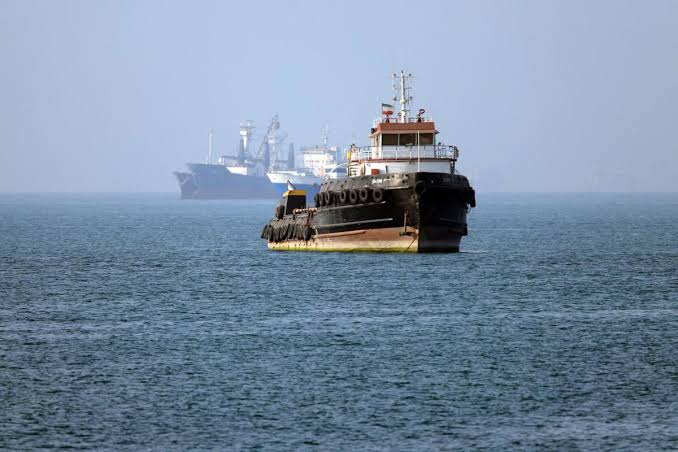
Attention has also shifted to the Strait of Hormuz, one of the world’s most strategic maritime chokepoints through which roughly one-fifth of global oil consumption is transported. Reports of renewed Iranian actions affecting shipping have raised fresh concerns over the security of commercial vessels navigating the waterway. However, the extent of any sustained disruption to maritime traffic has not been independently verified.
Energy analysts warn that prolonged instability in the Gulf could increase shipping insurance costs, disrupt crude oil supplies and trigger renewed volatility in international energy markets.
The latest reports come as the international community continues to monitor Iran’s nuclear activities. Western governments have consistently expressed concern over Tehran’s expanding uranium enrichment programme, while Iranian authorities maintain that the country’s nuclear programme is designed exclusively for peaceful civilian purposes.
The International Atomic Energy Agency (IAEA) is expected to remain central to efforts to verify developments at Iran’s nuclear facilities and support diplomatic engagement aimed at preventing further escalation.
Regional security experts say the coming weeks will be critical in determining whether diplomacy can be revived or whether the latest developments mark the beginning of another period of heightened confrontation in the Middle East.
Any prolonged deterioration in relations between Iran and the United States could have far-reaching implications for regional security, global oil markets and international trade, given the strategic importance of the Gulf to the world’s energy supply chain.