

The United Nations Children’s Fund (UNICEF) says investments in girls’ education, legal reforms and social protection have helped prevent an estimated 68 million child marriages worldwide over the past 25 years, demonstrating the impact of sustained efforts to protect girls’ rights.
However, the agency warned that child marriage remains widespread, calling on governments, families and communities to intensify action to ensure that every girl can access education, healthcare and opportunities to shape her future.
UNICEF made the call in a statement marking the 2026 International Day of the Girl Child, observed annually on October 11. This year’s theme is “End Child Marriage and Invest in Girls’ Rights!”
According to the agency, approximately 650 million women and girls alive today were married before the age of 18, while more than 12 million girls are married annually before reaching adulthood. Sub-Saharan Africa has the highest prevalence, at 31 per cent.
The agency said the progress recorded over the past two and a half decades showed that child marriage could be reduced through deliberate investments in girls’ education, stronger legal protections and social welfare programmes.
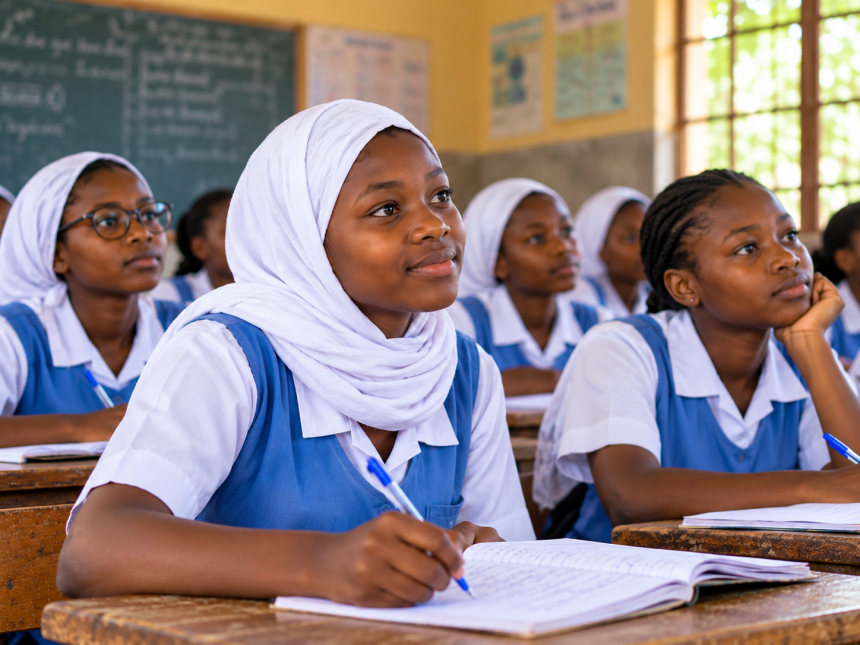
It identified keeping girls in school, expanding access to health and protection services, working with families and communities to challenge harmful social norms, and promoting girls’ leadership as essential measures for accelerating progress.
UNICEF, however, expressed concern that poverty, conflict and displacement continue to expose girls to child marriage, sexual violence and maternal mortality. Such conditions often disrupt schooling, weaken protection systems and increase pressure on families, leaving adolescent girls particularly vulnerable.
The agency also highlighted the disadvantages girls face in education and employment. Girls aged 15 to 19 are twice as likely as boys to be outside education, employment or training. In fragile and conflict-affected settings, girls are nearly 90 per cent more likely to be out of secondary school than their counterparts in stable environments.
UNICEF further reported that nearly one in four ever-married or partnered girls aged 15 to 19 had experienced intimate partner violence in their lifetime.
It warned that child marriage can have lasting consequences for girls’ physical and mental health, education and social development. Early marriage can interrupt schooling, limit economic opportunities and increase exposure to violence and health risks.
The agency called for stronger investment in education, healthcare, social protection and community-based interventions, stressing that laws against child marriage must be supported by effective implementation and practical measures that help families keep girls in school.
It also urged governments and development partners to strengthen programmes that protect girls during emergencies, particularly in communities affected by conflict, displacement and insecurity.
UNICEF said ending child marriage requires sustained political commitment and collective action, noting that girls who are safe, educated and empowered are better positioned to contribute to healthier families, stronger communities and more prosperous societies.
The agency stressed that every girl deserves the opportunity to complete her education, make informed decisions and determine the course of her own life.