


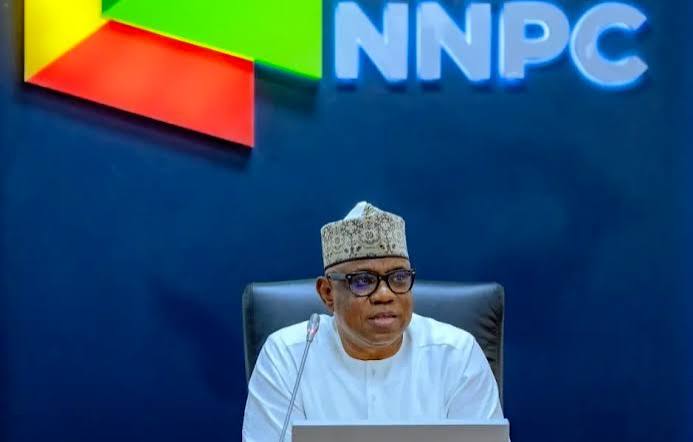
The Nigerian National Petroleum Company Ltd. (NNPC Ltd.) has dismissed concerns about constraints in its gas transportation infrastructure, insisting that its network remains fully available to power plants nationwide despite the recent decline in electricity generation.
The national oil company said operational records from its subsidiary, NNPC Gas Infrastructure Company Ltd. (NGIC), showed no transportation-related constraints capable of accounting for the reduction in power generation.
NNPC’s Chief Corporate Communications Officer, Mr Andy Odeh, disclosed this in a statement on Saturday, clarifying the company’s position amid concerns over the worsening electricity supply situation.
The clarification followed an earlier explanation by the Nigerian Independent System Operator (NISO), which attributed the decline in electricity generation to limited gas availability and reduced water inflows into hydroelectric power stations.
Odeh, however, said the status of gas transportation infrastructure should be distinguished from gas production, commercial supply arrangements and actual deliveries to individual power plants.
According to him, NNPC has recorded about 10 per cent growth in gas production volumes in 2026, year-to-date, reflecting ongoing efforts to support the Federal Government’s gas development and monetisation agenda.
He maintained that gas supply availability was not a challenge from the standpoint of NNPC’s transportation operations, adding that the company remained committed to providing safe, reliable and efficient gas supply and transportation services.
Distinguishing gas availability from power generation
The NNPC spokesperson explained that the availability of gas within the transportation network did not automatically translate into increased electricity generation, as several other operational and commercial factors influence the conversion of gas into power.
He identified generating-unit availability, operational readiness, maintenance schedules and actual gas offtake by power plants as critical variables requiring examination.
These factors, he said, must be assessed alongside gas supply data to establish the precise causes of generation shortfalls.
Odeh called for a coordinated review of operational records involving gas suppliers, transporters, electricity generators and NISO to identify specific bottlenecks and guide appropriate interventions.
He stressed that accurate reporting across the entire gas-to-power value chain was necessary to avoid misdiagnosis of the sector’s challenges and ensure that corrective measures addressed the actual constraints.
“NNPC Limited supports a coordinated review of operational data by gas suppliers, transporters, power generators and NISO to identify specific constraints and guide effective interventions,” he said.
Implications for Nigeria’s gas-to-power strategy
The clarification highlights a longstanding structural challenge in Nigeria’s electricity industry: the disconnect between available domestic gas resources and their effective utilisation for power generation.
While increased gas production and available transportation infrastructure are important, reliable electricity supply also depends on the commercial and operational relationships connecting gas producers, pipeline operators, power generators and the electricity market.
Issues relating to payment obligations, gas supply agreements, infrastructure utilisation, generating capacity and plant maintenance can undermine electricity output even where transportation facilities remain operational.
NNPC’s position therefore places renewed emphasis on the need for a comprehensive, evidence-based assessment of the gas-to-power value chain rather than attributing generation declines to a single factor.
The company reiterated its commitment to strengthening energy infrastructure and working with industry stakeholders to translate Nigeria’s gas resources into more dependable electricity supply for consumers.