

By Godfrey Onyilo Onmoke
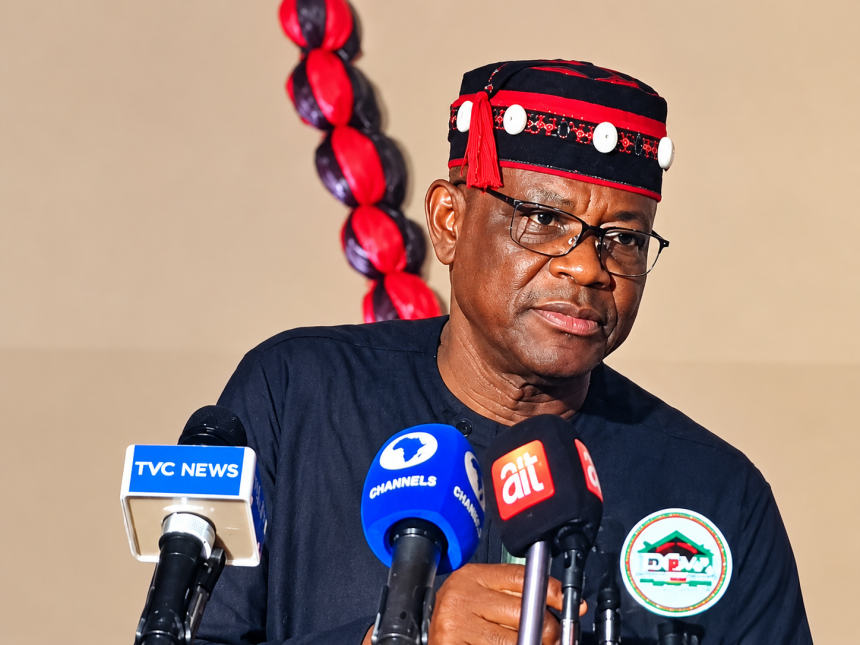
Nyesom Wike’s keynote address at the inaugural Idoma Hall of Fame ceremony raises important questions about equity, political representation, meritocracy and the place of minority groups in Nigeria’s political arrangement. His central argument—that political inclusion should be measured not simply by who occupies public office but by what that office delivers to the people—is compelling and deserves serious consideration.
I particularly appreciate his observation that the Idoma story should not be told exclusively through the lens of marginalisation and exclusion, but also through the remarkable contributions of Idoma sons and daughters to Nigeria’s development. This is an important message. A people must preserve their history, celebrate their achievements and inspire future generations without allowing historical grievances to become the sole foundation of their collective identity.
His insistence that political power should be treated as a public trust rather than private property is equally commendable. Nigeria desperately needs political leaders who understand that public office is an instrument of service, not a personal entitlement or a means of rewarding loyalists.
However, I believe the speech also invites some important questions.
First, the emphasis on merit must not become a convenient justification for perpetuating historical exclusion. Meritocracy and equity are not necessarily opposing principles. Indeed, genuine meritocracy requires that citizens enjoy reasonably equal opportunities to develop their abilities and compete for public office. Where structural disadvantages have denied certain communities access to education, political influence, economic opportunities and strategic appointments, insisting on merit without addressing those disadvantages may simply preserve existing inequalities.
Second, the argument that communities should look beyond the ethnic identity of those occupying public office is valid, but it must be applied consistently. If the appointment of an Idoma person to a strategic federal position is celebrated without examining the benefits to ordinary Idoma citizens, the same standard should apply to every other ethnic group. No community should monopolise national opportunities while asking others to be satisfied with symbolic recognition.
Third, Wike is right that political inclusion must translate into employment, education, healthcare, infrastructure, security and economic opportunities. This is perhaps the most practical argument in his address. For the ordinary Idoma person struggling with unemployment, insecurity, poor infrastructure and limited economic opportunities, the presence of an Idoma person in government is important, but the tangible benefits of governance are even more important. Representation without development can become an empty political achievement.
Nevertheless, the question of representation cannot be dismissed. In a country as diverse as Nigeria, the distribution of political power matters because it influences whose interests receive attention, whose concerns reach the decision-making table and whose communities are prioritised in national development. Equity, therefore, requires both meaningful representation and measurable improvements in people’s lives.
Fourth, Wike’s warning against politicians who exploit marginalisation for personal political advantage deserves attention. Ethnic grievances can certainly be manipulated by ambitious politicians. However, the possibility of political exploitation does not invalidate the grievances themselves. The appropriate response is to distinguish genuine complaints from manufactured ones through evidence, transparent institutions and impartial political processes.
Finally, the greatest test of the address lies in its application to Nigeria’s political realities. Calls for fairness, competence and national unity must be accompanied by consistent support for credible elections, internal democracy within political parties, equitable appointments, transparent resource allocation and institutions that protect the rights of minorities. These principles must apply irrespective of which party controls the government or which political interests benefit from the prevailing arrangement.
Lessons to Take Away
I believe the Idoma people should welcome the speech as a contribution to an important national conversation without treating every argument in it as beyond criticism.
The Idoma Hall of Fame must become more than an occasion for celebrating distinguished personalities. It should be an enduring institution for preserving Idoma history, promoting scholarship, mentoring young people, encouraging enterprise and advancing the community’s legitimate interests within the Nigerian federation.
The Idoma people should neither abandon their legitimate demands for equity nor allow those demands to become a substitute for strategic thinking, internal accountability and community development. We must celebrate our accomplished sons and daughters while asking how their achievements can inspire and benefit the wider population.
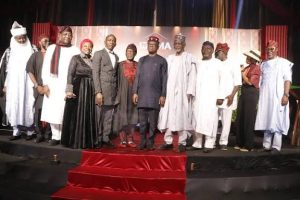
Wike’s presence at the ceremony was significant, particularly given his position as FCT Minister and his honorary relationship with the Idoma people. His selection as keynote speaker also provided an opportunity to place Idoma concerns within the wider national debate about political inclusion. But the enduring value of his participation will ultimately depend on whether the principles articulated in his speech receive practical expression in Nigeria’s political and administrative arrangements.
My Concluding Position
Wike’s speech was thoughtful in its insistence that equity must produce tangible benefits, persuasive in its defence of competence and public accountability, and relevant in its warning against the manipulation of ethnic grievances. Its limitations, however, lie in the danger of treating the language of meritocracy and national unity as sufficient answers to historical inequalities that may require deliberate corrective action.
Nigeria does not have to choose between competence and equity, or between national unity and minority rights. A just federation must accommodate all four.
For the Idoma people, the appropriate response is neither uncritical applause nor reflexive rejection. It is to embrace the sound principles in the address, interrogate their practical implications and continue to demand a Nigeria in which citizenship, competence, opportunity and representation reinforce rather than undermine one another.
Ultimately, the question is not simply who occupies political office, but whether the political system gives every community a fair opportunity to contribute to national development and enjoy its benefits.
That is the standard by which Wike’s speech, the Idoma Hall of Fame and Nigeria’s political leadership should all be judged.