

By using this site, you agree to the Privacy Policy and Terms of Use.
Accept
Nigerian News, Politics, Business, Economy, Investment, Entertainment and Sports.Nigerian News, Politics, Business, Economy, Investment, Entertainment and Sports.Nigerian News, Politics, Business, Economy, Investment, Entertainment and Sports.
  • News
    • News Menu
  • Business
  • Economy
  • Governance
  • Politics
    • North Central
      • Benue Update
      • Kogi Update
      • Kwara Update
      • Nasarawa Update
      • Niger Update
      • Plateau Update
      • FCT Update
    • North East
      • Adamawa Update
      • Bauchi Update
      • Borno Update
      • Gombe Update
      • Taraba Update
      • Yobe Update
    • North West
      • Jigawa Update
      • Kaduna Update
      • Kano Update
      • Katsina Update
      • Kebbi Update
      • Sokoto Update
      • Zamfara Update
    • South East
      • Abia Update
      • Anambra Update
      • Ebonyi Update
      • Enugu Update
      • Imo Update
    • South South
      • Akwa Ibom Update
      • Bayelsa Update
      • Cross River Update
      • Delta Update
      • Edo Update
      • Rivers Update
    • South West
      • Ekiti Update
      • Lagos Update
      • Ogun Update
      • Ondo Update
      • Osun Update
      • Oyo Update
  • Sports
    • SOCCER
      • Football
      • Sports
      • AFCON
      • NPFL
      • Premier League
    • EURO SOCCER
      • Champions League
      • Europa Conference
      • Europa League
      • La Liga
      • Boxing
      • Tennis
      • UFC
  • Editorial
  • MORE
    • Opinion
    • Entertainment
    • Investigation
    • Politics Lite
    • Publications
    • Travelogue
Reading: The six zonal political system and Nigeria’s stability and economic development
Share
Notification Show More
Font ResizerAa
Nigerian News, Politics, Business, Economy, Investment, Entertainment and Sports.Nigerian News, Politics, Business, Economy, Investment, Entertainment and Sports.
Font ResizerAa
  • Politics
  • Business
  • Technology
  • News
    • News Menu
  • Business
  • Economy
  • Governance
  • Politics
    • North Central
    • North East
    • North West
    • South East
    • South South
    • South West
  • Sports
    • SOCCER
    • EURO SOCCER
  • Editorial
  • MORE
    • Opinion
    • Entertainment
    • Investigation
    • Politics Lite
    • Publications
    • Travelogue
Have an existing account? Sign In
Follow US
  • Advertise
© 2022 Foxiz News Network. Ruby Design Company. All Rights Reserved.
Nigerian News, Politics, Business, Economy, Investment, Entertainment and Sports. > Blog > Opinion > The six zonal political system and Nigeria’s stability and economic development
Opinion

The six zonal political system and Nigeria’s stability and economic development

admin
Last updated: February 9, 2025 4:51 pm
admin
1 year ago
Share
SHARE

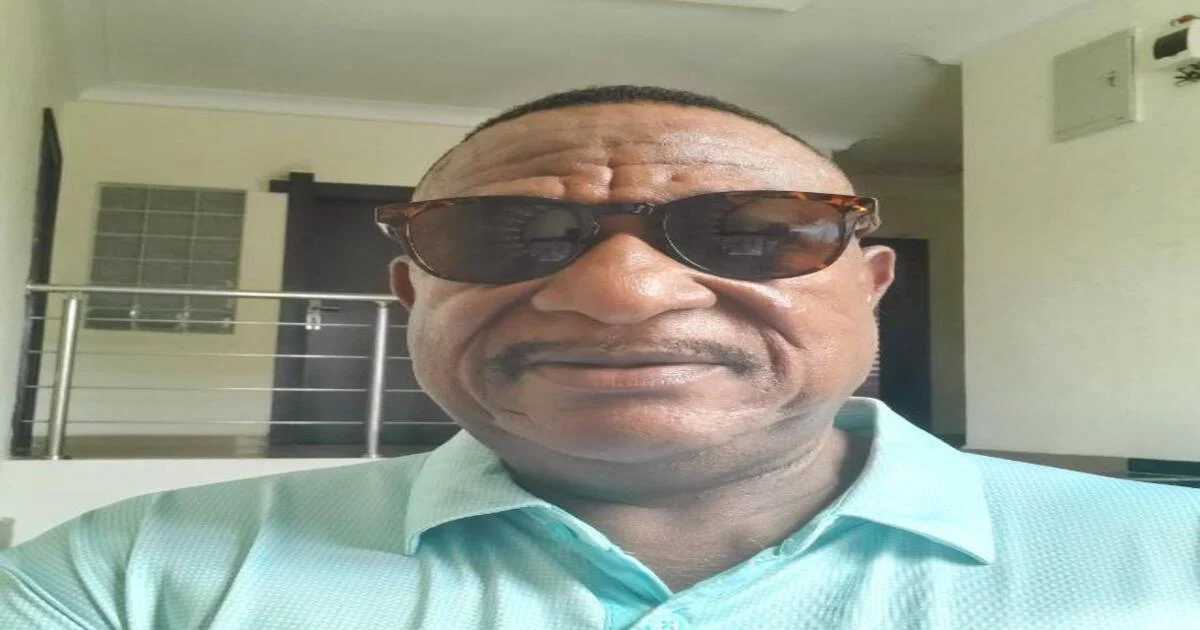
Being excerpt of a paper presentation by AVM Monday Riku Morgan (rtd) as a response to the recent creation of Development Commissions for the extant six geopolitical zones.

This paper argues that the adoption of a six-zonal political structure in Nigeria, as recently partitioned by President Tinubu, could potentially address long-standing concerns about marginalization and governance inefficiencies. Nigeria’s current arrangement of 36 States and the FCT has not resolved ethnic, regional, and political tensions, leading to continuous agitation for the creation of more states. By shifting focus from States to economic development zones, the structure would allow for greater resource management, economic growth, and stability across the regions, and reduce the risk of domination by one ethnic group over another.

Contents
Being excerpt of a paper presentation by AVM Monday Riku Morgan (rtd) as a response to the recent creation of Development Commissions for the extant six geopolitical zones.Air Vice Marshal Monday Riku Morgan (Rtd) is the former Chief of Defence Intelligence, Armed Forces of Nigeria

Historically, the amalgamation of northern and southern Nigeria in 1914 brought together diverse ethnic groups, cultures, and interests. From the outset, there were concerns about dominance, whether by population, economic power, or political influence. The continuous creation of States was seen as a solution to these fears, giving ethnic nationalities and regions a sense of security and political representation. However, with 36 States and the FCT, the challenge has shifted to inefficient governance, excessive bureaucracy, and strained resources, while agitations for more States have persisted.

SEE ALSO: Maximum government and minimum governance

President Tinubu’s six-zonal structure presents an opportunity to address these issues by focusing on regional economic development and governance. Each zone would focus on harnessing its natural and human resources for its development, allowing for a more strategic allocation of resources. By moving to a zonal arrangement, the risk of marginalization would diminish because zones would have more autonomy, and governance would be more inclusive at a regional level, rather than being fragmented into multiple States with limited power.

Under this structure, the current States would become provinces, and the senatorial districts would have quasi-autonomous powers, reporting to a zonal council at the zonal headquarters. This system of decentralization and regional empowerment would enhance security, as zones would have more resources and autonomy to establish independent Police systems, tailored to the specific security challenges in each zone.

PLEASE READ: Why Nigerians should not pay tax

The role of traditional institutions is also crucial in this zonal arrangement. In many Nigerian communities, traditional rulers are central to maintaining peace, resolving conflicts, and providing leadership at the grassroots level. Reinstituting these traditional institutions into the zonal security and governance architecture would create a more holistic and culturally resonant approach to governance.

Furthermore, the zonal structure would promote healthy competition among the regions, leading to improved governance, accountability, and leadership. As zones work to attract investments, improve infrastructure, and enhance their economies, leaders would be pressured to perform better, reduce corruption, and deliver on their promises to the people. In this way, the six-zonal structure would contribute to the overall development of the country.

READ ALSO: High cost of governance as an impediment to development

The paper concludes that adopting the six-zonal political system is a viable solution to Nigeria’s challenges of marginalization, poor governance, and security. It is time for Nigeria to consider a system that emphasizes regional cooperation, economic development, and stronger governance frameworks that promote unity, inclusivity, and accountability.


Air Vice Marshal Monday Riku Morgan (Rtd) is the former Chief of Defence Intelligence, Armed Forces of Nigeria

You Might Also Like

Meet Nigeria’s 25th Chief of Naval Staff – Rear Adm. Idi Abbas
Africa has what it takes to develop itself – Tinubu
Funding Universities: Prof Ochefu Says “Edupreneurs” to the Rescue
Memories of my beloved Mum, Mrs. Florence Ego Azuka
Trump’s Threat of Military Attack: Tinubu Should Not Kiss the Ring
TAGGED:AVM MONDAY RIKU MORGANFEDERAL MINISTRY OF REGIONAL DEVELOPMENTNIGERIA GEOPOLITICAL ZONESPresident Bola Tinubu
Share This Article
Facebook Email Print
Previous Article UNRWA chief reaffirms commitment to Palestinian refugees
Next Article CSOs allege powerful elites depleting Nigeria’s mineral resources 
about us

We don’t just cover the news; we provide the platform where news makers, brands and their target audiences communicate with utmost clarity. Take advantage of the huge global traffic to our website by contacting and advertising your products and services at competitive rates.

Find Us on Socials

© Nigerian Anchor. All Rights Reserved.
na_logo
Join Us!
Subscribe to our newsletter and never miss our latest news, podcasts etc..
[mc4wp_form]
Zero spam, Unsubscribe at any time.
NA Logo For Search
Welcome Back!

Sign in to your account

Username or Email Address
Password

Lost your password?
