New Vocational Subjects Added to Nigeria’s Education System

Starting January 2025, the Nigerian government will introduce 15 new trades into the country’s Basic Education curriculum, aiming to provide practical skills to students in primary and junior secondary levels.  This decision, approved by the National Council on Education, is part of a broader strategy to make education more skill-oriented and adaptable to current economic demands. The curriculum now includes subjects like Basic Digital Literacy, Robotics, plumbing, bakery services, GSM repair, and agricultural practices such as beekeeping and poultry farming.  Schools across the country, both private and public, will begin preparations, which include training teachers and improving infrastructure to support these subjects. This educational update is designed to align learning with real-world skills, allowing students to choose entrepreneurship paths and gain practical knowledge.  The government believes these changes will prepare graduates to become self-sufficient and economically active, ultimately strengthening the nation’s workforce and economy.  A similar update for Senior Secondary Education is expected to launch by December 2025. ReplyForwardAdd reaction

No plan to handover Public Varsities to Private Investors, FG

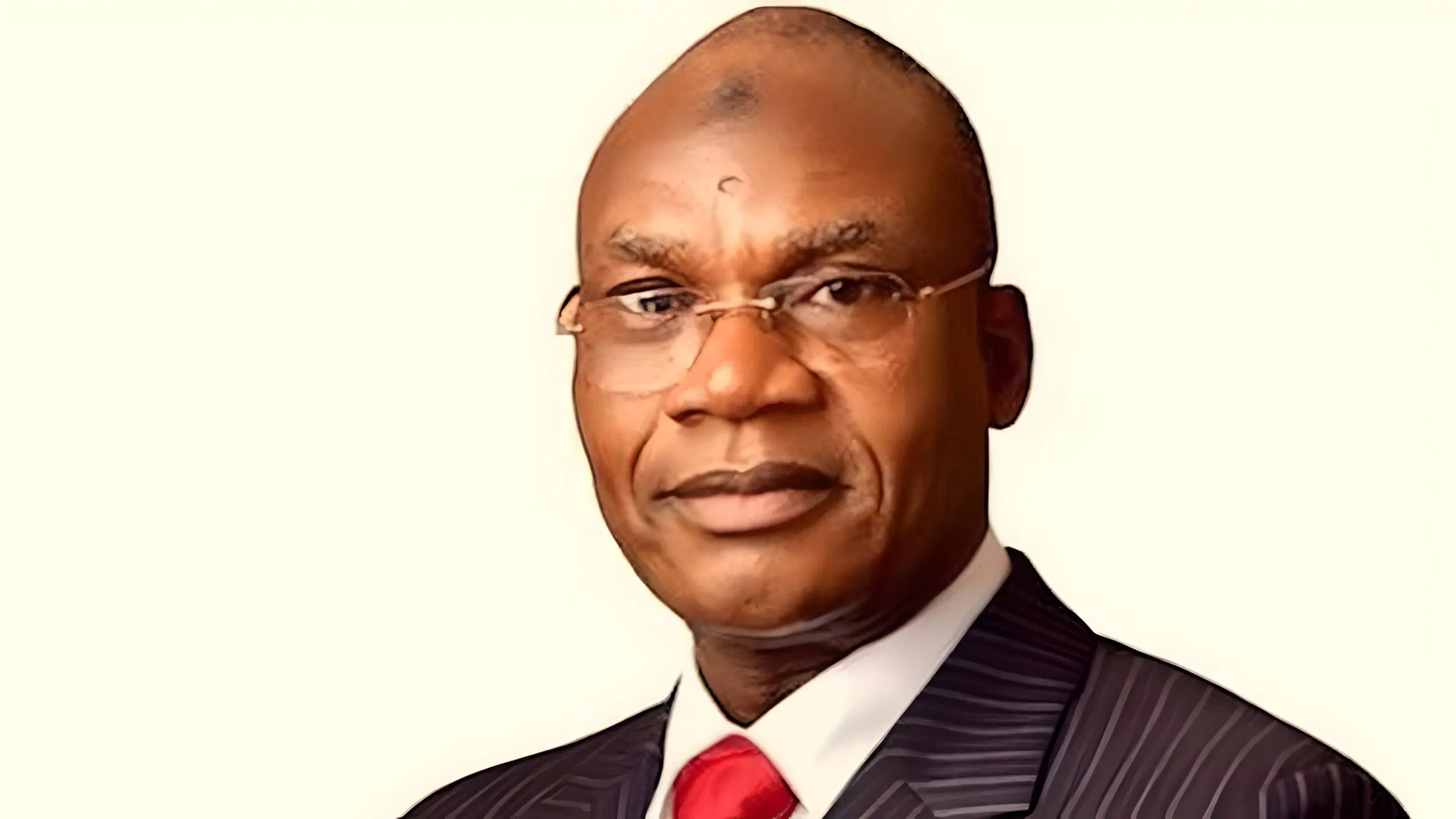
The Minister of Education, Prof Tahir Mamman https://education.gov.ng

The Federal Government says there is no plan to hand over public universities to private investors. The Minister of Education, Prof. Tahir Mamman, made the clarification at the Second Quarterly Engagement of the ministry with Heads of units and chief executive officers of parastatals and agencies under the ministry. NAN reports that the Academic Staff Union of Universities (ASUU) has accused the federal government of plans to hand over federal universities to investors through public-private partnerships. ”There is no plan to sell off universities to investors,” he said, noting that the policy of the government allowed for transnational education. According to him, transnational education is a policy on what this government is doing to open up tertiary education by taking people from the rest of the world to come and invest in our tertiary system. “Some people are carrying information that the federal government is selling off to private investors its universities. This is absolute lie and completely false. “This government believes in our public institutions. However, as we all know this government has reforms that this country needs. “The private sector will play a major role in the provision of tertiary education, as there are more private universities in Nigeria than public universities combined. “What this government has done is to open up the tertiary education level, in particular the universities, for global competitiveness,” he said. The minister stressed the need to allow those who operate universities at the international level to come into the country and set up institutions either for themselves or in collaboration with our local universities. He said that this was in no way to sell its institutions, noting that guidelines on transnational education had been in place. Mamman said the country must take a cue from what is obtainable in other countries so as to benefit from the advantage of transnational education. “In other parts of the world, like Asia, they have benefited immensely of having international institutions in those countries. “They have taken standards to those countries and also for the exchange and bringing money to those countries,” he said. He further said that the engagement with heads of agencies as parastatals was to review the progress, challenges and reaffirmed commitment toward educational landscape of the country.