Diphtheria: Kano Records 5,800 Cases– UNICEF

Diphtheria: Kano Records 5,800 Cases– UNICEF

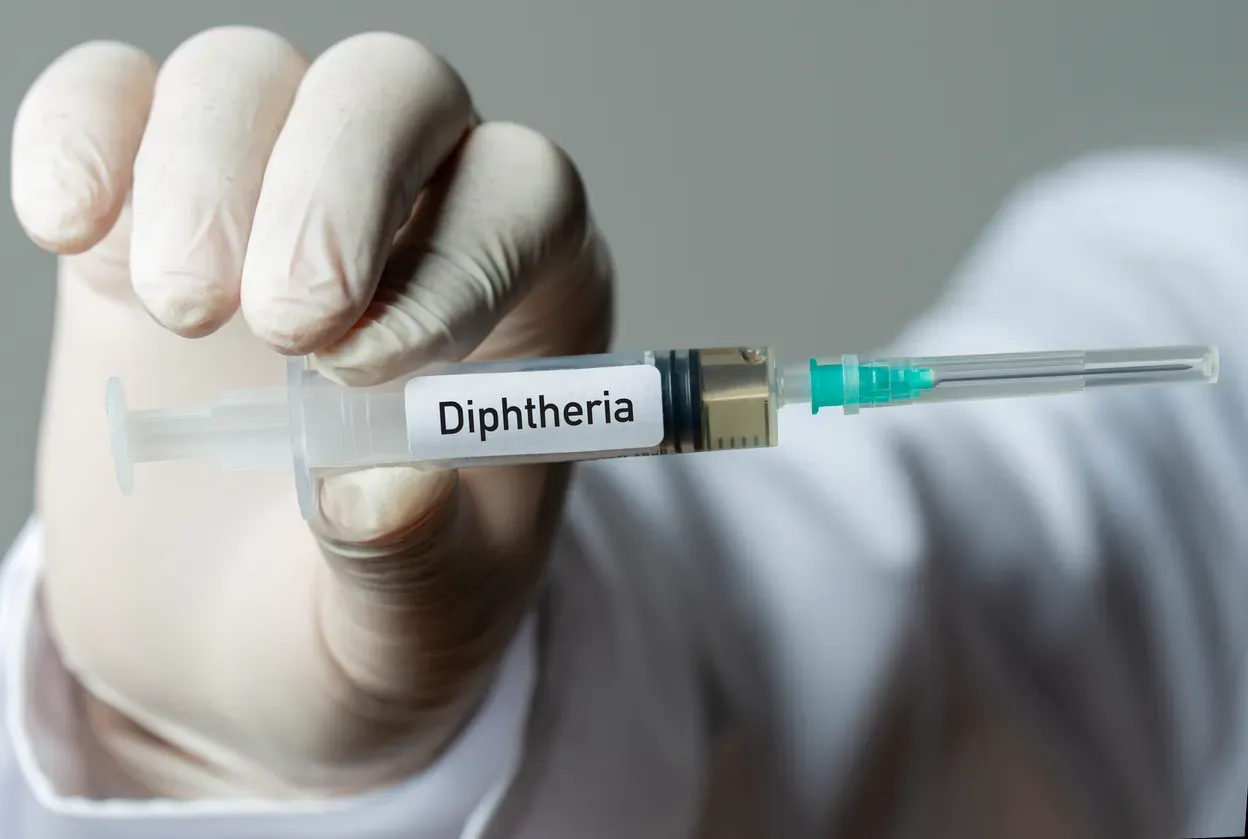
The United Nations Children’s Fund (UNICEF), on Tuesday, said that Kano State has recorded 5,800 suspected cases of Diphtheria from January to date. The UN Agency said the cases were recorded in 39 local government areas of the state. The Head, UNICEF Field Office, Kano, Mr Rahama Mohammned-Farah, stated this in Kano during a one-day media orientation on Diphtheria outbreak. According to him, Kano State has the highest number of recorded cases in the country, adding that Diphtheria was a highly contagious and infectious disease that could cause death. Mohammned-Farah stressed that proactive measures were necessary to stem the outbreak. “Recently, we have seen a surge in the number of reported Diphtheria cases in Nigeria, and Nigeria is currently facing an outbreak that needs to be stopped and prevented. “As of July, Diphtheria cases have been on the rise. As of last week, over 400 suspected cases with 11 deaths have been reported in Kano. “Out of the 39 LGAs affected, eight are the most affected, including Ungogo with 2,651 cases; Dala 989, Fagge 943, Gwale 714, Kumbotso 713, Nasarawa 538, Kano Municipal 506 and Tarauni 269,” he said. He said that 60.8 per cent of the suspected cases had been reported in children not vaccinated, which reinforced the critical need to address the issue of zero doses, especially in Kano State. “UNICEF delivered 1.2 million vaccines to the Kano State Government in our continuing support to the government response to Diphtheria outbreak. “Diphtheria outbreak is a threat to child survival, health and the wellbeing of children. UNICEF is collaborating with government and partners to respond to the emergency to save the lives of children affected. “In Kano state, UNICEF supported Tetanus-Diphtheria reactive vaccination campaigns in February, April and August, vaccinating 23,200 children in round one. “While 277,796 children vaccinated in round two and 29,500 others in round-3 of the exercise. “We engaged 150 traditional leaders on Diphtheria outbreak and distribution of Diphtheria IEC materials, and deployed 1,500 VCMs to the worst affected LGAs to conduct house-to-house sensitisations and referral of suspected cases to health facilities. “Media has a key role to play particularly in infection prevention, and risk communication and community engagement,” he said. Also speaking, Dr Muhammad Nasir-Mahmoud, the Director-General, Kano State Primary Healthcare Management Board, said the state government had adopted drastic measures to curtail spread of the disease. “We are committed towards educating the public about what is happening and the National Center for Disease Control (NCDC) has promised that Kano will be accorded priority in terms of vaccine distribution,” he said. While describing the media as partners in the fight against Diphtheria, Nasir-Mahmoud urged them to support the campaign against the disease.

Nigeria has recorded appreciable success on UN TB control –FG

Nigeria has recorded appreciable success on UN TB control –FG

The Federal Ministry of Health and Social Welfare says the country has made significant progress in the implementation of the 2018 UN High-Level Meeting (UNHLM) declaration on Tuberculosis (TB) control. Dr. Chukwuma Anyaike, its Director of Public Health, said this on Thursday in Abuja at the Pre-UNHLM on TB National Stakeholders’ Consultation. The event was organised by Stop TB Partnership Nigeria in collaboration with the National TB and Leprosy Control Programme (NTBLCP). The 2018 UNHLM on TB resulted in the adoption of the Political Declaration on the Fight against TB in September 2018. Nigeria committed itself to implementing the declaration to achieve the targets set forth. TB remains a major public health challenge in Nigeria, with the country ranking among the top 10 with the highest burden of the disease in the world. Anyaike, who was represented by Dr. Urhioke Ochuko, a Deputy Director who currently oversees the Childhood Tuberculosis Unit, said that Nigeria had increased the number of TB cases detected and treated. “We have detected more than 285,000 cases; we had a 60 per cent achievement of the target in 2022,” he said. He said the country had also strengthened health systems. “Nigeria has prioritised the strengthening of its health systems to improve TB control, including the training of healthcare workers and the establishment of more TB treatment centres. “TB preventive treatment for Nigerians has also improved significantly from the pre-2018 levels,” he said. He said that the Nigerian government had shown increased political commitment to TB control with some additional funding to TB control by the government and partners. He, however, said that there were still significant challenges that the country was facing in achieving the targets set forth in the political declaration. The official listed the challenges to include inadequate funding, low child TB case detection and low enrolment of diagnosed DR-TB patients on treatment, He called on participants to equally explore the possibility of more investment for TB treatment as well as innovative TB financing strategies to match funding with the multiple interventions being rolled out. Mr Mayowa Joel, Executive Secretary of Stop TB Partnership, said that the 2023 UNHLM special session would serve as an opportunity for a comprehensive review of the political declaration. “The theme of 2023 UNHLM on TB is: ‘Advancing science, finance and innovation, and their benefits, to urgently end the global TB epidemic by ensuring equitable access to prevention, testing, treatment and care,” he said. He said that the UNHLM on TB is the most significant political meeting ever held on TB and the biggest opportunity to raise the political priority of TB. “It secured commitment from Heads of State and governments for a coordinated global response, resulting in a substantial increase in financial resources for TB. “That led to millions of lives being saved from premature deaths from TB,” he said. He emphasised the need for Nigeria to develop a comprehensive and coordinated response to UNHLM.