US–Nigeria Military Cooperation: A Strategic Wake-Up Call

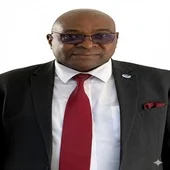
Ambassador Uzo Owunne is a Nigerian diplomat and development expert whose work focuses on governance reform, diaspora engagement, and strengthening Africa’s strategic voice in global affairs.
How to Make Nigeria Work, If Still Possible

By Ugo Onuoha It will be difficult, probably impossible, to make Nigeria work the way it is presently structured and governed. In theory, we are running a federal system. In practice, it is a unitary structure where operatives in Abuja determine who gets what, how, when, and where. The Osun Example and a Flawed Federal System Until recently, Osun State, governed by the opposition Peoples Democratic Party (PDP), became the latest victim of this distorted arrangement. The Supreme Court had ruled in July 2024 that local government funds must be paid directly to councils, not through state governments. It also declared that only democratically elected councils are entitled to federal allocations. Yet, that judgment has largely been ignored. Some states have passed laws effectively nullifying it, and in many others, it remains business as usual. Ironically, the same federal government that sought the ruling, under President Bola Tinubu, has itself been accused of flouting it. For months, Abuja withheld Osun’s local government allocations, claiming that PDP-controlled councils were illegitimate. The state was forced to rely on Governor Ademola Adeleke and his nephew, musician Davido, who reportedly contributed funds to pay council workers’ salaries. When Osun challenged the federal government at the Supreme Court, the court struck out the case for lack of standing but condemned Abuja’s action as “illegal and egregious.” Both sides claimed victory, but Nigerians were left with the same lesson: partisan politics trumps governance. Politicians vs. Statesmen The Osun case typifies a larger truth, partisan politicians cannot build nations. They are fixated on winning the next election, not on laying enduring foundations. Any country dominated by politicians rather than statesmen will struggle on the lower rungs of global development. That, sadly, has been Nigeria’s reality since the military sacked the First Republic in 1966. Nation-Building: A Process, Not an Event Nigeria will not work until we are intentional about making a nation out of the country. Building a sustainable nation requires a shared vision that fosters unity, common values, and inclusive governance. It also demands: Without these, our quest for progress will remain an illusion. The Foundation Is Broken The biblical question in Psalm 11:3 asks: “If the foundations be destroyed, what can the righteous do?” Nigeria’s foundation, fractured by the 1966 coup and deepened by years of military rule, remains defective. The 1999 Constitution, hurriedly drafted by the Abdulsalami Abubakar junta, was designed to serve narrow interests—not the people. For nearly three decades, we’ve been trying to erect a nation on a bogus foundation. To move forward, Nigeria must start afresh, with a people-driven constitution that reflects true federalism and equity. A Case for Restructuring Many credible voices, including The Patriots led by Chief Emeka Anyaoku, have long called for a new national arrangement. Their proposals include: These ideas, if sincerely implemented, can provide a roadmap to rebuild Nigeria. Structural Inequities and Centralized Power The existing federal structure, largely created by military fiat, is riddled with inequities. For instance, the old Kano State was split into Kano and Jigawa, now boasting over 70 local councils combined—while Lagos, with a similar population, has only 20. This imbalance affects representation and resource distribution. Power is dangerously centralized in the presidency, making elections a do-or-die affair and fueling corruption. The figures involved in federal scandals have ballooned from billions to trillions of naira, yet Nigerians no longer express shock. The presidency has become a “golden calf”, an object of worship. Unchecked power breeds inefficiency, arrogance, and impunity. The signs are visible everywhere. The Way Forward To make Nigeria work, we must: Until these steps are taken, Nigeria will continue to move in circles—rich in potential, poor in leadership, and crippled by structure. In conclusion, Nigeria’s tragedy is not that it lacks talent or resources, but that it is burdened by a defective system and a political class unwilling to change it. The challenge before us is to summon the courage to rebuild from the ground up. Otherwise we will keep trying to place something on nothing and expecting it to stand. Ugo Onuoha is a journalist, public affairs commentator, and former Managing Director/Editor-in-Chief, Champion Newspapers Limited. He writes from Lagos.
Address Nigeria’s structural issues, Oloyede Tells FG

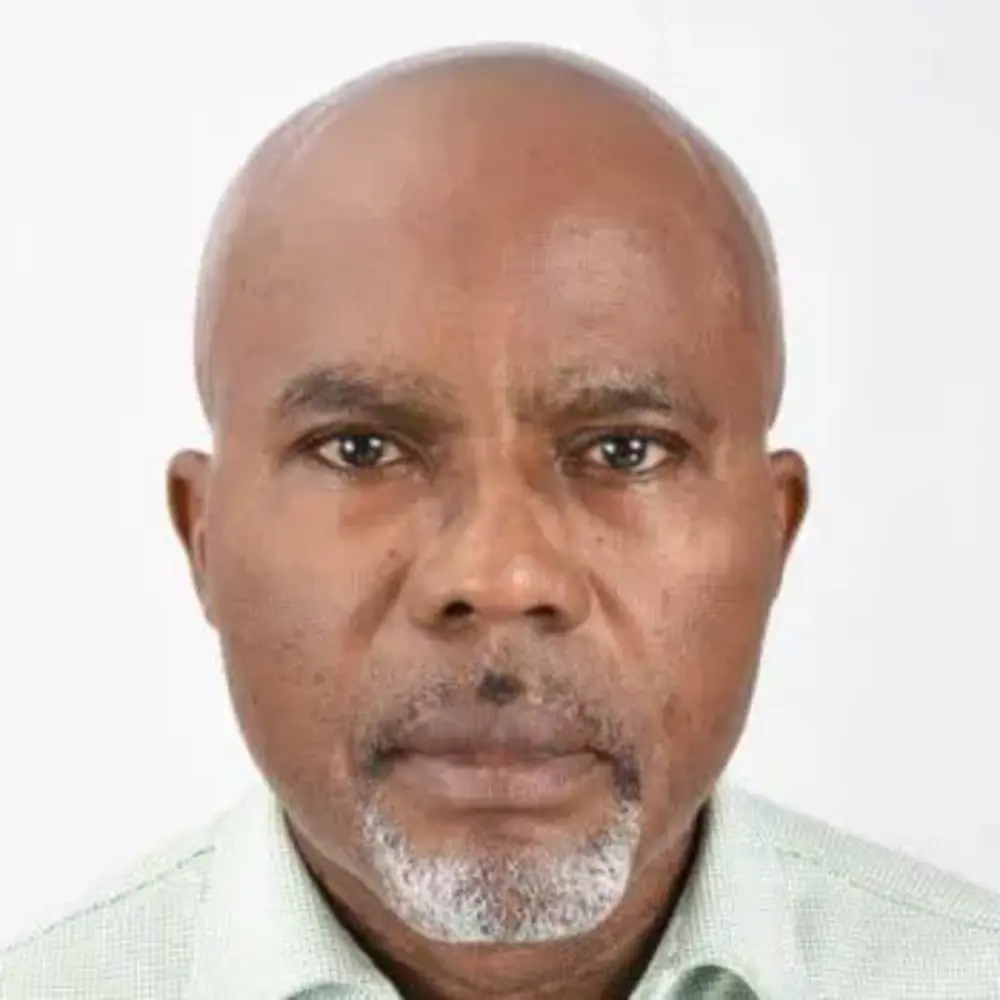
The Registrar of the Joint Admission and Matriculation Board (JAMB), Professor Is-haq Oloyede, has said that for the country to make any meaningful progress, there is need to address the structural issues that continue to retard the country’s growth. In his opening remarks at the 7TH Annual Conference of the Guild Of Corporate Online Publishers (GOCOP) on Thursday in Abuja, Oloyede insisted that authorities must show leadership in the drive to put the country on the path of sustainable growth and development. The GOCOP conference has as its theme: “Nigeria: Roadmap for Socio-economic Recovery and Sustainability.” The JAMB registrar noted that with the country undergoing tremendous pressure from numerous socio-economic challenges, it was obvious that the new administration and newly elected and appointed persons at various levels have their jobs cut out for them. According to him, these economic phenomena have further put pressure on the well-being of Nigerians. He noted that the foreign exchange market volatility, insecurity, kidnapping and a host of other vices and crises have conspired to rob the country of realising its potentials in productivity and economic growth and development and have contributed significantly to the rising level of poverty. “The issues confronting us as a nation have resulted in loss of earning assets, decline in the capacity to earn and curtailment of purchasing power,” he said. The Professor of Islamic Studies explained that in planning a roadmap for economic recovery and sustainable development, “we need to address some issues that have confronted us as a nation which have contributed to negative and slow growth, overtime. Some of these factors have contributed in not small measures to high levels of corruption and low productivity in the public sector. While noting that the removal of fuel subsidy, managed float of the naira among other policies by the new administration has further worsened the living conditions of Nigerians, he was however hopeful that the new policies will help in turning around the economy and put the country on the path of sustainable growth and prosperity. Oloyede, also called on the government to overhaul the wages and compensation structure in the public service to discourage deep- rooted corruption in the society. “Unless we are pretenders, we all know that some things do not just add up in the compensation of public servants and most of the public office holders. These phenomena encourage corruption and lack of accountability. It gives room for malpractices, financial impropriety, and malfeasance. When officers and executives are not well paid and they are entrusted with huge resources of the state, some may resort to helping themselves. “I recommend that the code of corporate governance be extended to all major actors in the Nigerian economy. Specifically, the government should come out, without further delay, with a code of corporate governance and make it mandatory for public sector institutions, non-governmental organisations (NGOs) and small and medium enterprises that represent over 97% of businesses operating in Nigeria. “When this is done, I believe there would be improvement in governance of government, non-governmental and private entities in Nigeria which would help to unlock their values for prosperity of Nigerians and sustainable development of the country. “It is important that our economists should not shut their eyes to the many alternatives to the template of Bretton Woods’s institutions. Not a few people believe that some austerity measures and curtailment of our high taste for foreign products are absolutely necessary in view of the current realities,” he explained. He therefore urged the media to partner with the government in order to “attain the socio-economic and political progress we badly need as we cannot treat the media as adversaries and as entities whose health or ill-health shouldn’t concern us.”