Jigawa Records 91 Cases Of Diphtheria, 10 Deaths

Jigawa Records 91 Cases Of Diphtheria, 10 Deaths

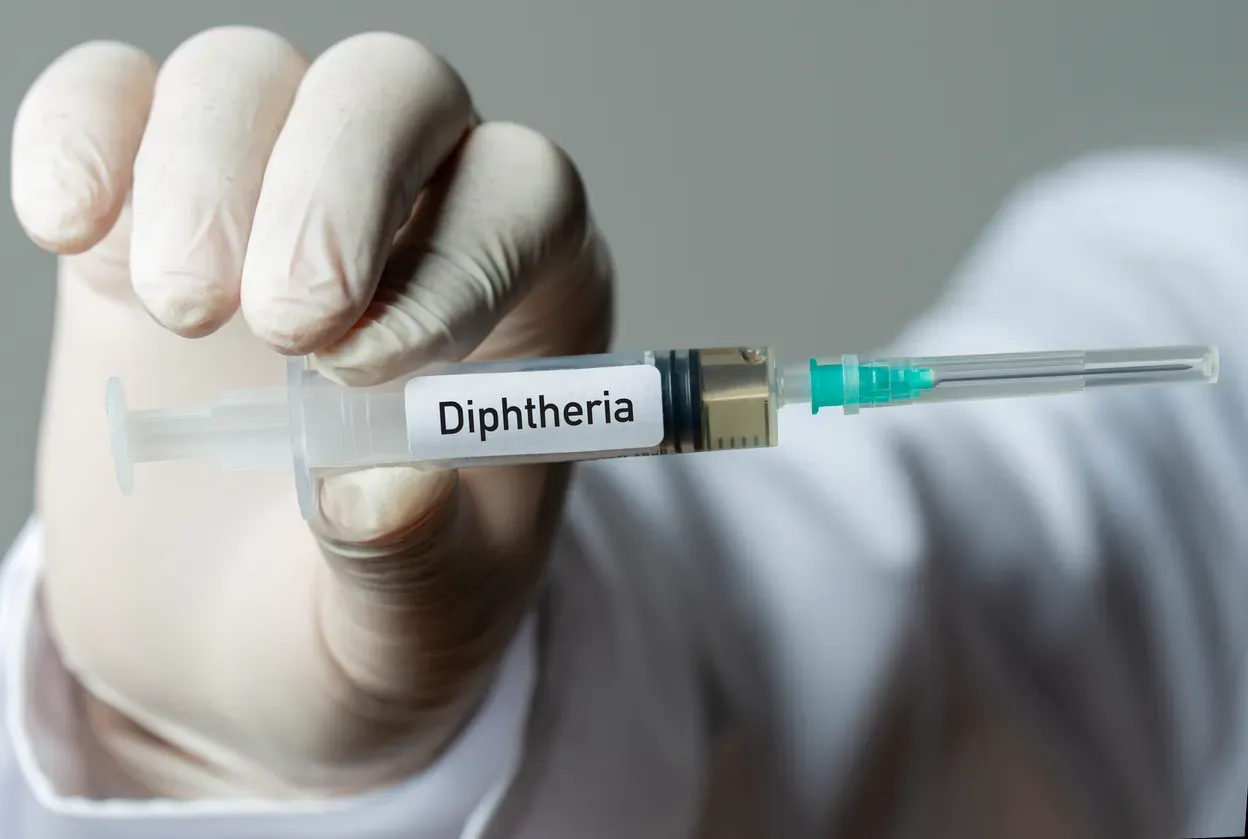
Jigawa State has recorded 91 suspected cases of diphtheria in 14 local government areas and it also suspects the loss of 10 children to the childhood infection. “There has been diphtheria outbreak in the northern parts of Nigeria in the last four months. “This is especially in neighbouring Kano, Yobe, Katsina and Bauchi states,’’ Permanent Secretary, Jigawa Ministry of Health, Dr Salisu Muazu, told newsmen on at the weekend in Dutse. “About two weeks ago, we received patients that had symptoms of diphtheria in 14 local government areas bordering states that already established the infection. “The National Reference Laboratory in Abuja confirmed two of the 91 suspected samples we sent to have tested positive to diphtheria,’’ Muazu said. He added that the two confirmed samples were those from Kazaure and Jahun local government areas of Jigawa. He explained that majority of the victims were those that either did not receive complete immunisation or those that received zero dose of childhood immunisation. “In fact, in the last 10 years, we have not had diphtheria in Jigawa, but in those neighbouring states that now have the epidemic. “The reason why we have it now may be due to the COVID-19 period when healthcare services completely broke down,’’ he said. Muazu urged parents and community leaders to support and cooperate with health workers as government had concluded plans to conduct mop-up immunisation in affected local government areas. He also called on residents to promptly report persons with symptoms of diphtheria to Disease Notification Officers in the local government areas or to the nearest health facility. 

Diphtheria: Increase routine vaccination, WHO urges FG

Diphtheria: Kano Records 5,800 Cases– UNICEF

The World Health Organisation (WHO) has called on the Federal Government to increase routine vaccination to nip outbreaks in the bud. Dr Tedros Ghebreyesus, WHO Director-General made the call during an online media conference. Diphtheria to be an acute and highly contagious bacterial disease-causing inflammation of the mucous membranes, formation of a false membrane in the throat which hinders breathing and swallowing. It is potentially fatal heart and nerve damage by a bacterial toxin in the blood. It is now rare in developed countries owing to immunisation. Tedros said that Nigeria was experiencing a severe outbreak of diphtheria According to him, so far, more than 9000 suspected cases have been reported across 17 states, with 307 deaths. “This is the second wave of diphtheria this year,” he said. According to him, diphtheria is a highly contagious but vaccine-preventable disease, caused by a bacterium which can be fatal in five to 10 per cent of cases, with a higher mortality rate in young children. He said that WHO was supporting the government to improve vaccination, surveillance, case management and risk communication. “We are also working with partners to increase access to vaccines and antitoxin. “This outbreak and others highlight the need to increase routine vaccination to stop these outbreaks before they start,” WHO boss said. On COVID-19, he said that the organisation had continued to see concerning trends for COVID-19 ahead of the winter season in the northern hemisphere. Tedros said that the deaths were increasing in some parts of the Middle East and Asia, saying: “ICU admissions are increasing in Europe and hospitalisations are increasing in several regions.” He, however, regretted that “data is limited.” According to him, only 43 countries less than a quarter of WHO member states are reporting deaths to WHO, and only 20 provide information on hospitalisations. “Globally, there is not one variant that is dominant. “The variant of interest EG.5 is on the rise, while the XBB sub variants are declining. “The BA.2.86 variant has been detected in small numbers in 11 countries. “WHO is monitoring this variant closely to assess its transmissibility and potential impact,” he said. Tedros said that one of WHO’s biggest concerns was the low level of at-risk people who had received a dose of COVID-19 vaccine recently. He said that the organisation’s message was not to wait to get an additional dose if it was recommended for the person. Tedros said that WHO published an annex to the global strategic preparedness and response plan for COVID-19, “which further supports countries in five critical areas.” He said the areas were collaborative surveillance, community protection, safe and scalable care, access to countermeasures and coordination.