Gov. Fubara urges Rivers people to remain peaceful, law-abiding

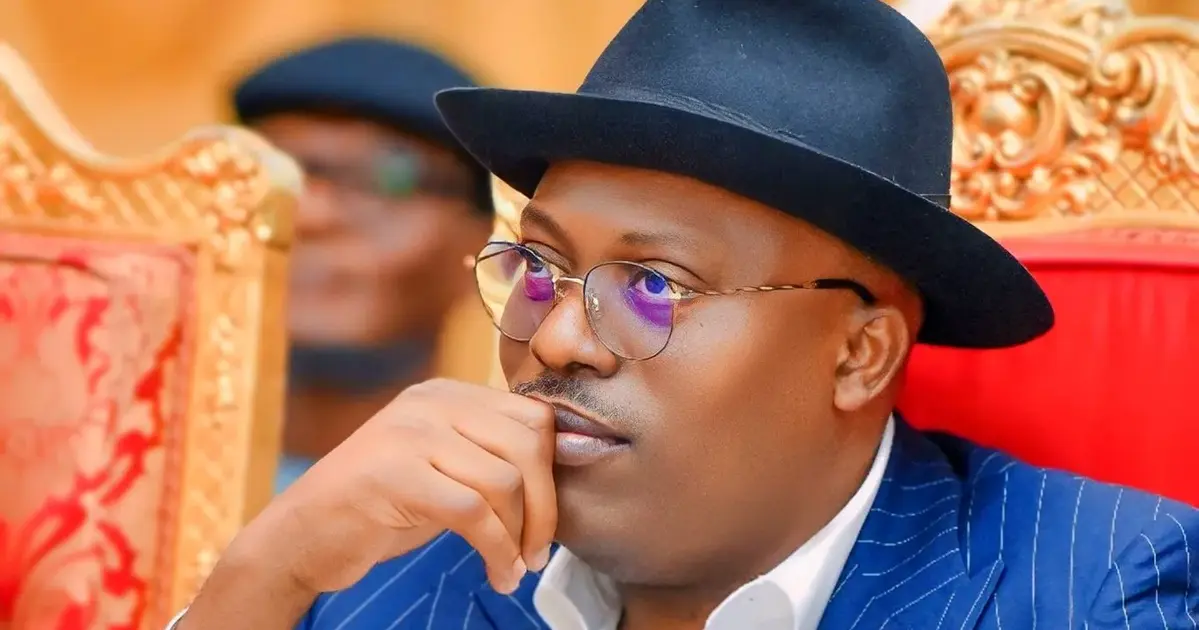
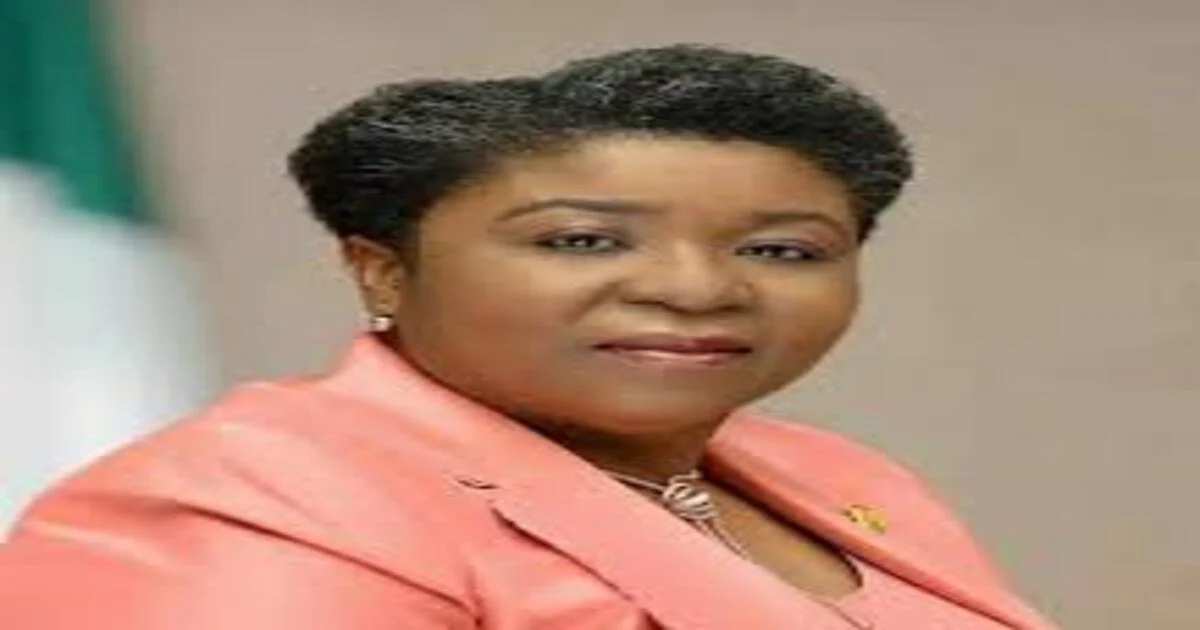
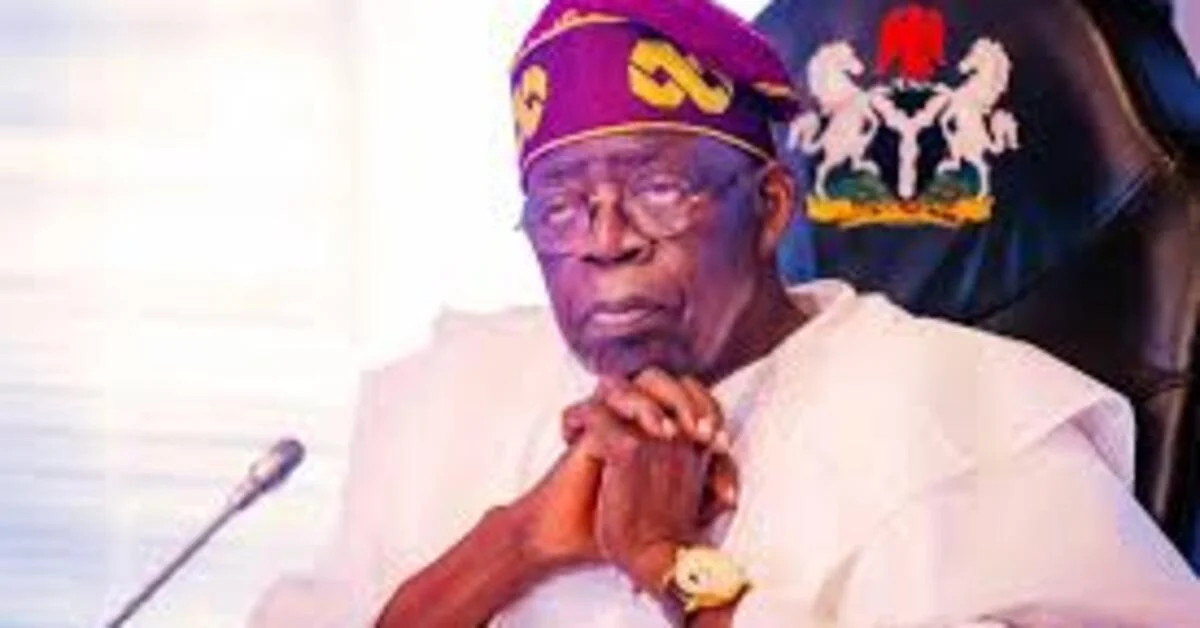
Gov. Siminilayi Fubara of Rivers, has urged the citizens in the state to remain peaceful and law-abiding in the face of the state of emergency declared in the state. Fubara made the remark in a statewide address on Tuesday in Port Harcourt after the pronouncement of emergency rule on the state by President Bola Tinubu. He said that his administration had been guided by ‘’his constitutional oath of office and a great sense of duty’’ since his assumption of office as the Governor of Rivers. Fubara said that he had prioritised the protection of lives and property and ensured the continuous progress of the state. “Even in the face of the political impasse, we have remained committed to constitutional order and the rule of law, putting the interest of our people above all else. “This was why, immediately after Mr. President’s intervention to broker peace, we did not hesitate to implement the agreed terms in good faith, including welcoming back commissioners who had previously resigned on their own volition. According to him, they moved swiftly to comply with the Supreme Court’s judgement immediately he received the certified true copy of the judgement to return the state to normalcy. He stated that these steps were taken not for personal gains but to foster peace, unity and stability in our dear state. “Unfortunately, at every turn, members of the Rivers State House of Assembly frustrated our efforts, thus making genuine peace and progress difficult,” he explained. He expressed that the priorities of his administration remained the security of lives and property and advancing the well-being and prosperity of Rivers people. Fubara noted that though there was political disagreements in the state, good governance had continued, salaries were being paid, and great projects executed to move the state forward. He stated that in all, the state was safe, secured and peaceful under his watch. Fubara said that Rivers people had always been resilient people, and would continue to face the situation with wisdom, patience, and unwavering faith in the democratic process. “We will engage with all relevant institutions to ensure that our democracy remains strong and the Rivers State continues to thrive,” Fubara said. President Tinubu on Tuesday declared a state of emergency for the state due to the unabated political crisis bedeviling the state. He, however, appointed Vice Admiral Ibok Ette Ibas to administer the state after suspending Gov. Siminalaye Fubara and his Deputy, Mrs Ngozi Odu as well as the elected members of the state Assembly.
Tax Reform Bills: The Verdict of Nigerians

By Abdullahi Ismaila Ahmad, Ph.D The public hearings conducted recently by the two Chambers of the National Assembly have elicited positive responses from a broad spectrum of Nigerians, cutting across regional interest groups, government agencies, civil society groups, concerned individuals, the academia, and Labour Unions, among diverse others. Contrary to a few dissensions hitherto expressed in the media, almost all the stakeholders who spoke during the week-long sessions were unanimous in their declaration that the hallowed Chambers should pass the tax reform bills after a clean-up of the grey areas. The public hearings were auspicious for all Nigerians desirous of economic growth and fiscal responsibility. They were also a watershed moment for the Federal Inland Revenue Service, which had been upbeat about the tax reforms. Indeed, the public hearings had rekindled hope in the tenets of democracy that guarantee freedom of expression and equitable space for cross-fertilisation of ideas. Without gainsaying the fact, the tax reform bills have been unarguably about the most thought-provoking issues in Nigeria today, drawing variegated perspectives and commentaries from even unlikely quarters such as the faith-based leaders, student bodies, and trade unions, which speaks much about the importance of the bills. READ ALSO: why Nigerians should not pay tax In the build-up to the public hearings, not many people believed that the bills would make it to the second reading, much less the public hearings. Even the Northern stakeholders who seemed unlikely to support the passage of the bills have softened their stance and have given valuable suggestions that would enrich the substance of the bills. The Arewa Consultative Forum came to the public hearings well-prepared with a printed booklet that addressed their concerns. It concluded with an advisory that the bills should be “Well planned, properly communicated, strategically implemented and ample dialogue and political consensus allowed for the reforms to be accepted.” The concerns of ACF ranged from the composition of the proposed Nigeria Revenue Service Board as contained in Part 111, Section 7 of the bill, the unlimited Presidential power to exempt/wave tax payment as proposed in Section 75(1) of the bill, the family income or inheritance tax as contained in Part 1, Section 4(3) of the bill, to the issues around development levy and VAT. On the development levy, the ACF stated that unless the Federal Government is considering budgetary funding for TETFUND, NASENI and NITDA, it does not see the “wisdom behind the plan to replace (them) with NELFUND”. The position of the North was equally reinforced by the Supreme Council for Shariah in Nigeria, Northern Elders Forum, Kano State Government, Professor Auwalu Yadudu, and the FCT Imams. Like the ACF, these stakeholders lent their respective voices to the Section on the Inheritance Tax in Part 1 of the bill and the use of the term ‘ecclesiastical’, which, in their views, undermines certain religious rights and beliefs. The Kano State Government, represented by Mahmud Sagagi, affirmed that “we support tax modernisation” but cautioned that “we must ensure that this process does not come at the expense of states’ constitutional rights and economic stability”. Professor Auwalu Yadudu, a constitutional law professor, drew attention to the use of the ‘supremacy clause’ and cautioned that the repeated use of “notwithstanding” in the bills would undermine the supremacy of the Nigerian constitution if passed as such. Other stakeholders that made contributions at the sessions included the Nigeria Liquefied Natural Gas, Fiscal Responsibility Commission, Revenue Mobilisation Allocation and Fiscal Commission, Federal Ministry of Industry, Trade and Investment, Institute of Chartered Accountants of Nigeria, Chartered Institute of Taxation of Nigeria, Nigeria Customs Service, and a host of others. While most of their concerns bordered on technical issues requiring fine-tuning, they were unanimous in their support for the bills. They aligned with the position of the Executive Chairman of the Federal Inland Revenue Service, Zacch Adedeji, Ph.D. and the Chairman of the Presidential Committee on Fiscal Policy and Tax Reforms, Mr Taiwo Oyedele, which is that the extant tax laws and fiscal regulations are obsolete necessitating reforms aimed at creating a fair and equitable tax and fiscal space to grow Nigeria’s economy. In one of the sessions, Dr Zaach Adedeji expounded on the criss-cross of trade activities in the Free Trade Zone whereby companies misuse tax waivers as exporters to sell their goods or services in the Customs Area at an amount usually less than the price the operators in the Customs Area who pay VAT and other taxes sell theirs thereby disrupting business transactions. This way, the operators in the Free Trade Zone shortchange the government in paying their due taxes by circumventing extant regulations, which are inimical to the economy’s growth. Overall, the presentations were forthright, foresighted, and helpful in elucidating the issues contained in the bills. According to the statistics read out at the end of the hearings at the Senate, 75 stakeholders were invited, 65 made submissions, and 61 made presentations. At the House of Representatives 53 stakeholders made presentations. By all means, this is a fair representation. Given the presentations, it is evident that the National Assembly has gathered enough materials to guide its deliberations on the bills. As we look forward to the passage of the bills, we commend the leadership of the National Assembly for their unwavering commitment to making the bills see the light of the day. Abdullahi is the Director of Communications and Liaison Department, FIRS.
NYSC members yet to receive promised ₦77,000 allowance

Corps members across Nigeria have expressed frustration after receiving their February stipend, which remained at ₦33,000 instead of the ₦77,000 they were expecting. The delay contradicts earlier promises by the National Youth Service Corps (NYSC) and the federal government. In January, the NYSC Director-General, Brigadier General Yushau Ahmed, assured corps members that their allowance had been approved for an increase and that payments would reflect the adjustment once the 2025 budget was passed. However, as February ended, the allowance remained unchanged, and no official statement has been issued to explain the delay. This situation has left corps members struggling to cope with the rising cost of living. Many find it difficult to afford basic needs such as food, transportation, and housing due to the economic downturn. With inflation worsening and prices of essential goods soaring, the ₦33,000 stipend is no longer sufficient to cover daily expenses. Some corps members have voiced their disappointment, accusing the government of failing to keep its promises. Many expected the increment to take effect immediately after the announcement but are now left in uncertainty. The continued delay has further fueled concerns about the government’s commitment to addressing economic challenges affecting young Nigerians. Corps members are now calling for urgent clarification and action to ensure they receive the promised allowance.
APC hails Supreme Court over Rivers State judgement

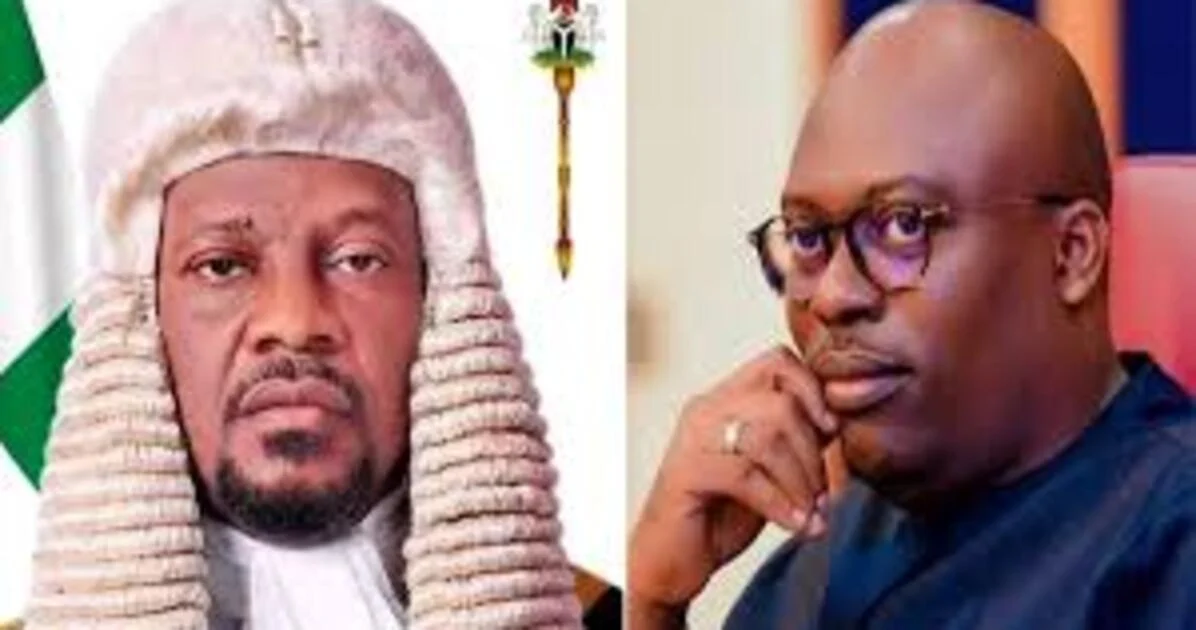
The All Progressives Congress (APC) in Rivers has welcomed the Supreme Court’s judgement nullifying the local government council elections held on Oct. 5 and ordering the re-presentation of the 2024 budget. In a ruling delivered by Justice Jamilu Tukur, the Supreme Court declared the election invalid due to gross violations of the Electoral Act. In a separate judgement on Friday, Justice Emmanuel Akomaye dismissed the cross-appeal filed by Gov. Siminalayi Fubara challenging the legitimacy of the House of Assembly led by Martin Amaewhule as speaker. READ ALSO: Rivers LG: Supreme reserves ruling on suit seeking sack of Chairmen The apex court directed Amaewhule to resume sitting immediately with other elected members of the Rivers State House of Assembly. It mandated Fubara to re-present the 2024 appropriation bill to the Amaewhule-led Assembly. Reacting to the rulings, APC Publicity Secretary in Rivers, Mr Chibike Ikenga, hailed the Supreme Court’s decision in a statement issued in Port Harcourt on Friday. According to Ikenga, the judgements represent a victory for the people and a step towards the entrenchment of democracy in the state. He urged Fubara to comply with the ruling without delay to restore peace and foster development in Rivers. READ ALSO: Arewa and the burden of truth “We call on all democrats and people of goodwill to prevail on Gov. Fubara to quickly retrace his steps and take the necessary actions for the progress of our dear state. “We commend the Supreme Court for its decision to bring an end to the political crises that has plagued the Executive and House of Assembly in the state,” Ikenga stated. He assured that as the main opposition party in Rivers, the APC would continue to serve as a watchdog, advocating for good governance and ensuring effective service delivery to the citizens.
Nigeria’s Economy Grows by 3.84% in Q4 2024

Nigeria’s economy expanded by 3.84% in the fourth quarter of 2024 compared to the same period in 2023. This is according to a new report from the National Bureau of Statistics (NBS), which was released on Tuesday. The latest growth rate is higher than the 3.46% recorded in the fourth quarter of 2023 and the third quarter of 2024. The overall growth for the entire year of 2024 stood at 3.40%, an improvement from 2.74% in 2023. According to the report, the services sector played a major role in driving the economy in the last quarter of 2024. It expanded by 5.37% and contributed 57.38% to the country’s total GDP. Meanwhile, agriculture recorded a 1.76% growth, which was lower than the 2.10% seen in the same period of 2023. The industrial sector grew by 2.00%, dropping from the 3.86% recorded a year earlier. The total GDP for the fourth quarter of 2024 was higher than that of the previous year, which stood at N65.9 trillion. The report classified the economy into oil and non-oil sectors, showing that Nigeria’s daily oil production in Q4 2024 averaged 1.54 million barrels per day. This was slightly lower than the 1.56 million barrels recorded in the same quarter of 2023 but an increase from 1.47 million barrels per day in Q3 2024. The oil sector recorded a real growth of 1.48% in Q4 2024, a sharp drop from the 12.11% growth seen in the fourth quarter of 2023. In contrast, the non-oil sector grew by 3.96% in the same period. Key contributors to non-oil sector growth included financial institutions, telecommunications, crop production, road transport, trade, and manufacturing.
Nigeria National Census: President Tinubu to Establish Committee

On Monday, Nigeria made significant progress towards conducting a new national population and housing census, which will include biometric and digital elements. The last national census was held in November 2006. During a meeting at the Statehouse with officials from the National Population Commission (NPC), President Bola Tinubu announced plans to form a committee to align the census budget with the country’s current financial situation. He emphasized the need for the National Identity Management Commission (NIMC) to be involved in the review process. The president explained that having an accurate census is crucial for effective planning in areas such as employment, agriculture, and food security. He noted that without reliable data, managing national challenges would be difficult. He also expressed his commitment to ensuring that the census results would support development efforts and improve social security in Nigeria. The NPC Chairman, Nasir Isa Kwarra, along with other members of the commission, updated the president on the preparations for the census. President Tinubu pointed out that government programs like fertilizer distribution could be more effective if they were based on reliable data. The president further suggested that biometric identification, including facial and voice recognition, should be a central part of the process. He stressed that the government must first solidify its financial capacity before seeking support from development partners. In his comments, the Minister of Budget and Economic Planning, Sen. Abubakar Atiku Bagudu, noted that census data would be essential for future planning and resource distribution. He reminded the president of his commitment to the census, highlighting the financial challenges faced in funding it. He also shared that development partners had funded 40 percent of the 2006 census. Efforts to connect various identity and data agencies, including the National Bureau of Statistics (NBS) and the NIMC, are ongoing. These agencies are working together to assess available data and optimize resources. NPC Chairman Kwarra reminded the president that the data from the last census is outdated and no longer relevant for current planning. He also mentioned that 760,000 tablets have been secured and stored at the Central Bank of Nigeria (CBN) for the new census.
Ribadu Denies El-Rufai’s Allegations, Says He Has No Time for Political Disputes

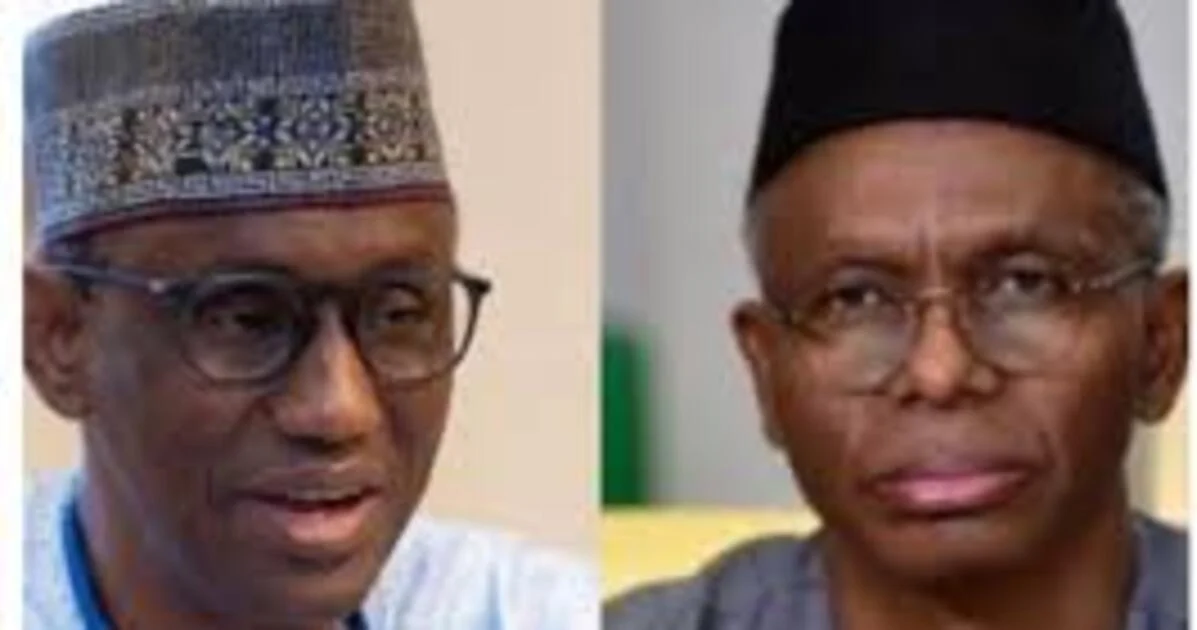
Ribadu Denies El-Rufai’s Allegations, Says He Has No Time for Political Disputes The National Security Adviser, Nuhu Ribadu, has dismissed claims by former Kaduna State Governor, Nasir El-Rufai, that he is orchestrating a smear campaign against him. El-Rufai had alleged that Ribadu, alongside Kaduna Governor Uba Sani and the Independent Corrupt Practices and Other Related Offences Commission (ICPC), was working to damage his reputation ahead of the 2031 presidential election. Responding through a statement on his official X account late Monday, Ribadu stated that he is not involved in any scheme against El-Rufai. He added that he has never discussed any intention to contest in 2031, as his focus remains on his duties under President Bola Tinubu’s administration. Ribadu also clarified that he has always maintained respect for El-Rufai and has never spoken negatively about him. He urged the public to disregard the accusations, emphasizing that he is too occupied with his national responsibilities to engage in media battles. El-Rufai’s remarks came during an interview with Arise TV, where he claimed Ribadu was leading an effort to tarnish his image. He accused Ribadu of being the mastermind behind a campaign to discredit him, stating that his political opponents were finding it difficult to succeed in their plans. Ribadu, however, refuted these claims, urging El-Rufai to allow him to focus on his work. He insisted that he does not interfere in El-Rufai’s affairs and expects the same in return.
Shortfall in January pay: FG working to address discrepancy

The Joint Public Service Negotiating Council (JPSNC) has assured federal workers that the government is taking steps to resolve discrepancies in January salaries, which were reported to be lower than usual. Benjamin Anthony, the National Chairman of the JPSNC, spoke to the media in Abuja on Monday, addressing concerns raised by federal civil servants about the unexpected reduction in their salaries. Some workers had noticed that their January pay was lower than the amounts received between October and December 2024. The issue was traced back to a “systematic error” in the Integrated Payroll and Personnel Information System (IPPIS). In response to the complaints, the JPSNC issued a memo to industrial unions to collect detailed reports from their members and escalate the issue to the government for correction. PLEASE READ: The six zonal political system and Nigeria’s stability and economic development Anthony also mentioned that some sources from within the IPPIS system had indicated that a technical error was behind the discrepancies, and the team is actively working on fixing it. Anthony advised workers affected by the salary reduction to report the issue through their unions to ensure a smoother resolution process. The JPSNC has already reached out to the Head of Service of the Federation, who promised to forward the matter to the Accountant General’s office for further investigation. The Head of Service also reassured the council that, should any issues arise, the affected workers will be paid their correct salaries. One possible explanation for the shortfall is a peculiar allowance that was negotiated by the council and agreed upon by the government. Anthony suggested that this allowance may have been accidentally removed by the IPPIS system. However, he expressed confidence that the allowance would be reinstated, and all affected workers would receive the full pay owed to them.
Bedlam in Lagos Assembly following DSS, Police Invasion

It was bedlam at the Lagos State House of Assembly on Monday following invasion by officials of the DSS and the Nigeria Police, sparking outrage among the lawmakers. The invasion occurred during a plenary session where 36 members were present. The lawmakers immediately condemned the action, describing it as an attack on democracy and an embarrassment to the country. The Assembly demanded an explanation from the Director of the Lagos DSS, asking why the security forces took such drastic action. They also called on the National Security Adviser, Nuhu Ribadu, to look into the matter and provide a detailed report to the public. Additionally, the lawmakers appealed to President Bola Tinubu to intervene and stop the situation from worsening. The lawmakers expressed strong disapproval of the invasion, arguing that it was an attempt to disrupt the legislative process and undermine the state’s democratic institutions. They also reaffirmed their loyalty to the Speaker, emphasizing that no one could force them to remove him from office. Suspecting that influential individuals or groups may be responsible for the invasion, the lawmakers insisted on a full investigation to uncover those behind it. They made it clear that they will not allow such actions to diminish the independence of the legislature or threaten democratic governance in the state.
Adesina Denies interest in 2027 Presidential Election

As expected, Akinwumi Adesina, president of the African Development Bank (AfDB), has denied reports suggesting he is preparing to contest Nigeria’s 2027 presidential election. The speculation began after his recent interview on Arise Television, where he mentioned that he would be available for national service after his tenure at AfDB. He stated that he is open to serving in any role, whether globally, in Africa, or in Nigeria. His remarks led to widespread interpretations that he might be considering running for president. In response, Adesina took to X on Thursday to clarify his statement, saying his words had been misrepresented. He maintained that while he expressed willingness to serve in various capacities, he never declared an intention to contest the presidency. He urged the public to listen to his full interview for proper context. PLEASE READ: Sub-Sahara Africa dominates global terrorism related deaths Adesina, who was Nigeria’s minister of agriculture before becoming AfDB president in 2015, secured a second term at the bank in 2020. His leadership at AfDB has focused on economic growth, infrastructure, and development financing across Africa. While his statement sparked political discussions, he emphasized that his priority remains his current role at AfDB, and he has no plans to enter the 2027 presidential race.