Police Intensify Manhunt After 11 Killed in Kankia Bandit Attack

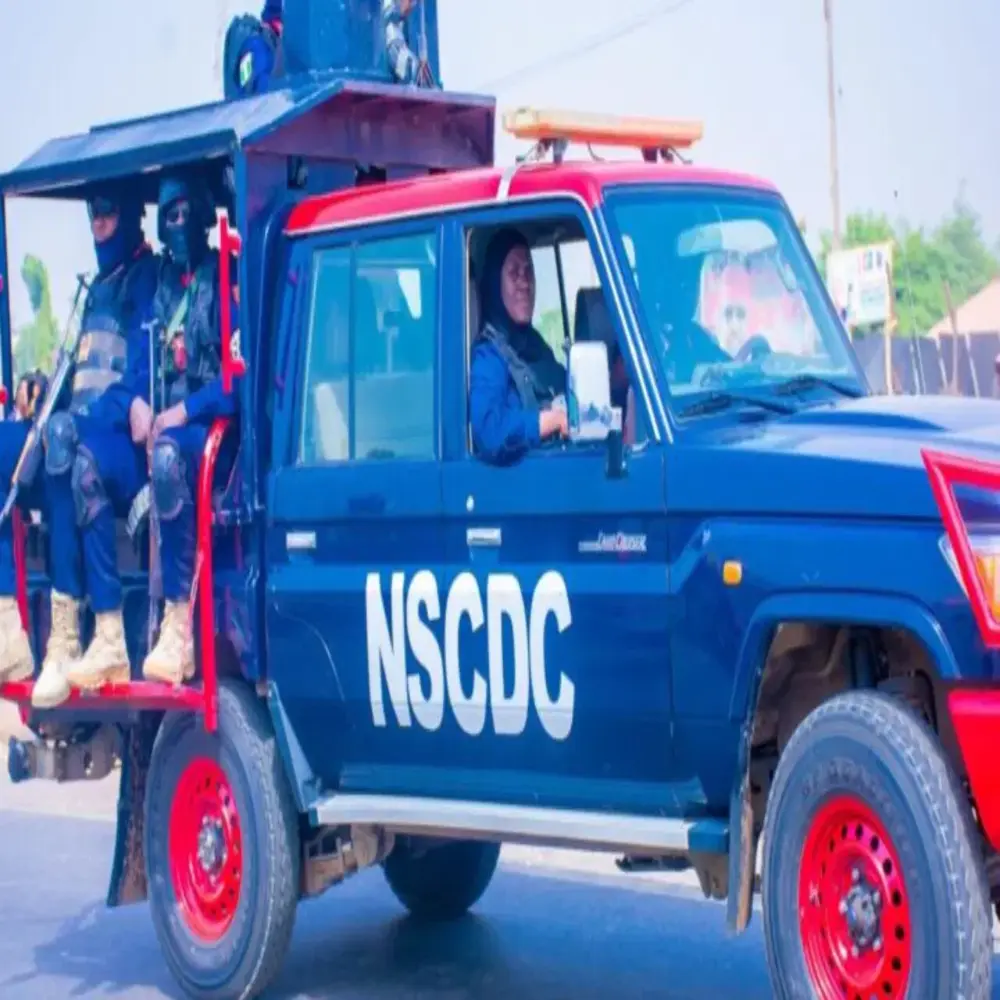
Security personnel conducting patrol after bandit attack in Kankia, Katsina State

The Commissioner of Police in Katsina State, Ali Umar-Fage, has ordered an aggressive manhunt for armed bandits responsible for a deadly reprisal attack on several communities in Kankia Local Government Area. The directive follows a series of security operations that had initially recorded significant successes against criminal elements in the area before the latest assault. In a statement issued on Sunday by the Police Public Relations Officer, Abubakar Sadiq-Aliyu, the commissioner highlighted recent achievements by security operatives. According to him, officers foiled a cattle rustling attempt on April 29 in Gadar Yan Tulu and Kartaka villages, recovering a total of 205 livestock, including 91 cows and 114 sheep. Security forces also repelled another attack on Matinjin village on Saturday, forcing several bandits to flee with gunshot wounds. Eight motorcycles believed to be linked to the attackers were recovered during the operation. However, the situation escalated on Sunday when the bandits regrouped and launched coordinated attacks on Jeka da Kolo and Kwalgoro villages around midday. The assault resulted in the deaths of 11 residents before tactical teams were deployed to confront the attackers. Describing the incident as “cowardly and barbaric,” Umar-Fage extended condolences to the families of the victims and assured the public that those responsible would be brought to justice. He confirmed that additional tactical units have been deployed to the affected communities, while bush combing operations and coordinated patrols are ongoing to track down fleeing suspects. The police commissioner reaffirmed the command’s commitment to restoring peace and security across the state, emphasizing that efforts would continue until normalcy is fully achieved. Residents were urged to remain calm, stay vigilant, and provide credible intelligence to security agencies as investigations progress. Authorities also assured that further updates would be communicated as developments unfold.

Why Nigeria Must Establish an Air Wing for the NSCDC Now

By Chris Echikwu Nigeria stands at a critical juncture in managing its internal security. Rising insecurity – from mass kidnappings and school attacks to assaults on religious institutions and the displacement of rural communities – has exposed a glaring weakness in the nation’s security architecture. While government efforts, including troop deployments and recruitment drives, are important, the reality is clear: Nigeria needs not just more boots on the ground, but new eyes in the sky. The call for an Air Wing within the Nigeria Security and Civil Defence Corps (NSCDC) has never been more urgent. Insecurity Has Outpaced Our Security System Criminal networks exploit Nigeria’s forests, borderlands, and waterways as operational hideouts. Camps and routes exist deep in ungoverned spaces, beyond the reach of standard patrols. Ground forces are often reactive, arriving after crimes have already occurred. School kidnappings have become a hallmark of this crisis. Children are abducted, transported through bush corridors, and hidden in forest camps for weeks or months. The state frequently responds too late, relying only on limited human intelligence and local reports. This is not just a tactical failure, it is a structural one. Nigeria’s internal security agencies remain almost entirely land-based in an era where surveillance, rapid response, and deterrence demand aerial capabilities. Why the NSCDC is the Right Agency The NSCDC is far from peripheral. It already plays a central role in Nigeria’s internal security: Yet, it cannot effectively monitor or respond to threats across vast forests, swamps, and deserts. An Air Wing would transform the NSCDC from a reactive, defensive body into an intelligence-driven force. Strategic Benefits of an NSCDC Air Wing An Air Wing would provide: This is not about militarizing the NSCDC; it is about modernizing it. Across Africa and Asia, countries Nigeria often compares itself to already deploy drones and light aircraft as standard tools for internal security. Fighting 21st-century crime with 20th-century methods is no longer viable. Financing: Affordable and Sustainable Arguments that Nigeria “cannot afford it” ignore the true cost of inaction. Insecurity already drains the economy through: A modest fleet of drones and light aircraft would cost far less than the economic loss caused by a single kidnapping wave. Financing could come from: The return on investment would be immediate. The Risk of Doing Nothing Without modernization, the human and economic toll will worsen: A state that cannot see its territory cannot govern it. Conclusion: The Skies Matter Nigeria faces a choice: remain trapped in reactive security measures or invest in intelligence, speed, and foresight. An NSCDC Air Wing will not end insecurity overnight, but it will end Nigeria’s blindness to the spaces where crime is planned and executed. National security is no longer determined solely by personnel numbers, but by the ability to see, interpret, and respond faster than the threat. Nigeria must choose vision over delay.

EFCC and National Defence College Join Forces to Update Curriculum on Financial Crimes

New partnership aims to equip future leaders with skills to tackle corruption, public fund mismanagement, and emerging financial threats. he Economic and Financial Crimes Commission (EFCC) and the National Defence College (NDC) have agreed to collaborate on revamping the College’s curriculum to reflect Nigeria’s evolving security and governance landscape. During a courtesy visit to EFCC Chairman Ola Olukoyede in Abuja, NDC Commandant Rear Admiral Ahmed emphasized the need for a curriculum update to better prepare participants in public fund management and strategic governance. Related Stories: Ahmed lauded EFCC’s expertise in fighting economic crimes and requested the agency’s input in designing the new course content. “We want participants to learn how to manage public funds effectively so that they are ready for leadership roles,” he said. Olukoyede welcomed the proposal, highlighting EFCC’s readiness to support the initiative and noting emerging threats such as cryptocurrency fraud, which caused global losses exceeding $2 trillion last year. “There are areas where our work overlaps, and collaboration will help strengthen Nigeria’s fight against financial crimes,” he said.