WHO gives first-ever guideline for quitting tobacco

The World Health Organisation has recommended a comprehensive set of tobacco cessation interventions, including behavioural support delivered by healthcare providers, digital cessation interventions, and pharmacological treatments in its first guideline on tobacco cessation. The guideline released on Wednesday focuses on helping the more than 750 million tobacco users who want to quit all forms of tobacco. The recommendations are relevant for all adults seeking to quit various tobacco products, including cigarettes, waterpipes, smokeless tobacco products, cigars, roll-your-own tobacco, and Heated Tobacco Products. “This guideline marks a crucial milestone in our global battle against these dangerous products,” said the WHO Director-General, Dr Tedros Ghebreyesus. “It empowers countries with the essential tools to effectively support individuals in quitting tobacco and alleviate the global burden of tobacco-related diseases.” Over 60 per cent of the world’s 1.25 billion tobacco users – more than 750 million people – wish to quit, yet 70 per cent lack access to effective cessation services. This gap exists due to challenges faced by health systems, including resource limitations. “The immense struggle that people face when trying to quit smoking cannot be overstated. We need to deeply appreciate the strength it takes and the suffering endured by individuals and their loved ones to overcome this addiction,” said the Director of Health Promotion at WHO, Dr Rüdiger Krech. “These guidelines are designed to help communities and governments provide the best possible support and assistance for those on this challenging journey.” The global health body noted that combining pharmacotherapy with behavioural interventions significantly increases quitting success rates. Countries are encouraged to provide these treatments at no or reduced cost to improve accessibility, particularly in low- and middle-income countries. WHO recommends varenicline, Nicotine Replacement Therapy, bupropion, and cytisine as effective treatments for tobacco cessation. In 2023, WHO initiated a prequalification procedure for medicinal products against disorders caused by tobacco use to improve global access to recommended tobacco cessation medications. In April 2024, Kenvue’s nicotine gum and patch became the first WHO-prequalified NRT product. WHO recommends behavioural interventions, including brief health worker counselling (30 seconds to three minutes) offered routinely in health-care settings, alongside more intensive behavioural support (individual, group, or phone counselling) for interested users. “Additionally, digital interventions such as text messaging, smartphone apps, and internet programmes can be used as adjuncts or self-management tools. “WHO encourages healthcare providers, policy-makers, and stakeholders to adopt and implement this guideline to promote tobacco cessation and improve the health of millions of people in need worldwide,” it added.
WHO Releases $16m To Tackle Cholera, Says Director-General

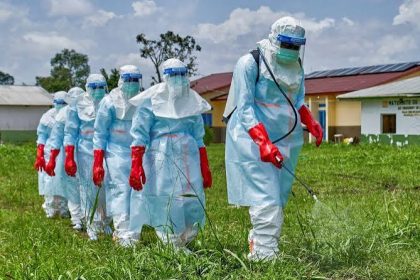
The World Health Organisation (WHO) has released 16 million dollars from the WHO Contingency Fund for Emergencies to tackle cholera. Dr Tedros Ghebreyesus, WHO Director-General said this during an online news conference. Ghebreyesus said that the organisation was providing essential supplies, coordinating the on the ground response with partners, supporting countries to detect, prevent and treat cholera, and informing people how to protect themselves. “To support this work, we have appealed for 160 million dollars, and we have released more than 16 million dollars from the WHO Contingency Fund for Emergencies. “But the real solution to cholera lies in ensuring everyone has access to safe water and sanitation, which is an internationally recognized human right,” he said. According to him, in the previous week, WHO published new data showing that cases reported in 2022 were more than double those in 2021. He said that the preliminary data for 2023 suggested was likely to be even worse. “So far, 28 countries have reported cases in 2023 compared with 16 during the same period in 2022. “The countries with the most concerning outbreaks right now are Ethiopia, Haiti, Iraq and Sudan. “Significant progress has been made in countries in Southern Africa, including Malawi, Mozambique and Zimbabwe, but these countries remain at risk as the rainy season approaches,” Ghebreyesus said. According to him, the worst affected countries and communities are poor, without access to safe drinking water or toilets. He said that they also face shortages of oral cholera vaccine and other supplies, as well as overstretched health workers, who are dealing with multiple disease outbreaks and other health emergencies. On COVID-19, Ghebreyesus said that as the northern hemisphere winter approaches, the organisation continued to see concerning trends. He said that among the relatively few countries that report them, both hospitalisations and ICU admissions have increased in the past 28 days, particularly in the Americas and Europe. WHO boss said that meanwhile, vaccination levels among the most at-risk groups remained worryingly low. “Two-thirds of the world’s population has received a complete primary series, but only one-third has received an additional, or “booster” dose. “COVID-19 may no longer be the acute crisis it was two years ago, but that does not mean we can ignore it,” he said. According to him, countries invested so much in building their systems to respond to COVID-19. He urged countries to sustain those systems, to ensure people can be protected, tested and treated for COVID-19 and other infectious threats. “That means sustaining systems for collaborative surveillance, community protection, safe and scalable care, access to countermeasures and coordination,” he said.
Mpox no longer public health emergency, says WHO

The World Health Organisation (WHO) has declared that the multi-country outbreak of the Mpox virus, which began around a year ago was no longer a public health emergency of international concern. WHO Director General, Tedros Ghebreyesus, said this while speaking to journalists in Geneva, a day after the emergency committee which made the emergency recommendation last July, advised the Director-General to declare it over. “However, as with COVID-19, that does not mean that the work is over. Mpox continues to pose significant public health challenges that need a robust, proactive and sustainable response,” Ghebreyesus said. He said there had been more than 87,000 cases, and 140 deaths worldwide reported to WHO, from 111 different countries. The virus, originally known as Monkey Pox, spreads through direct contact with bodily fluids and causes flu-like symptoms, and also pus-filled lesions on the skin. Last July, it was spreading rapidly, but he said WHO “has been very encouraged by the rapid response of countries. We now see steady progress in controlling the outbreak based on the lessons of HIV and working closely with the most affected communities.” Some 90 per cent fewer cases were reported in the past three months, compared with the previous three. From the beginning of the international outbreak of the disease, which has been in circulation since 1970, and occurred primarily in tropical rainforest areas of Central and West Africa, WHO stressed that most of those infected, recover without treatment in just a few weeks. He praised the work of community groups, and public health authorities. “For informing people of the risks of mpox, encouraging and supporting behaviour change, and advocating for access to tests, vaccines and treatments to be accessible to those in need.’’ Cases of the virus were concentrated among men who have sex with men, especially those with multiple sexual partners. Ghebreyesus noted that while stigma has been a driving concern in managing the mpox epidemic, and continues to hamper access to care, “the feared backlash against the most affected communities has largely not materialised. For that, we are thankful.” He said that inspite of the downward trend in cases, the virus was continuing to impact all regions, including Africa, where the transmission “is still not well understood.” There is a particular risk associated with those living with untreated HIV infections, he added, urging countries to keep testing capacity and be ready to respond promptly if cases rise again. “Integration of mpox prevention and care into existing health programmes is recommended, to allow continued access to care, and rapid response to address future outbreaks.” WHO will continue to work towards supporting access to countermeasures as more information on effectiveness of interventions becomes available. “While the emergencies of mpox and COVID-19 are both over, the threat of resurgent waves remain for both,” Ghebreyesus said. “Both viruses continue to circulate, and both continue to kill. And while two public health emergencies have ended in the past week, every day WHO continue to respond to more than 50 emergencies globally.” Ghebreyesus said that as the UN approached the upcoming World Health Assembly and three-level meetings on pandemic preparedness, tuberculosis and universal health coverage, there were many challenges ahead, but also unprecedented opportunities. “If real commitments can be made, then real benefits could result, “for generations to come.” Each meeting will be an opportunity to catalyse political commitment to drive progress, and to generate concrete action and financial resources. “To invest in expanding access to prevention, testing, treatment, vaccines and research for TB. “To strengthen the world’s defences against pandemics; and to strengthen health systems, especially primary healthcare, so that no one misses out on the care they need because of who they are, where they live or how much they earn,” Ghebreyesus said.