Navy deploys Deep Blue assets to secure Nigerian waters

Navy deploys Deep Blue assets to secure Nigerian waters

The Nigerian Navy says assets acquired by NIMASA under the Integrated National Security and Waterways Protection Infrastructure, otherwise known as the Deep Blue project, have been fully deployed. This is contained in a statement by the Acting Fleet Commander, Western Naval Command and Commander Deep Blue Project, Commodore Victor Choji, in Lagos at the weekend. He said the deployment was across the South West, Central and Eastern Zonal operations to enhance patrol of the Nigerian maritime domain. Choji made the declaration during a working visit by the Flag Officer Commanding (FOC), Western Naval Command, Rear Admiral Mohammed Abdullahi to the Management of Nigerian Maritime Administration and Safety Agency (NIMASA). He added that the Nigerian Navy under the leadership of the Chief of Naval Staff, Rear Admiral Emmanuel Ogalla was fully committed to the success of the Deep Blue Project. “The assets have already been well deployed; as we speak five armored vehicles are deployed in Port Harcourt and three in Bonny. “The project team deployed 10 more vehicles there, in addition to a drone unit in Bonny and some personnel,” the commander added. According to him, the mere presence of the deep blue assets in those locations during the last General election provided the needed inference required. Choji also said that in the Central Zone Command, the Navy had deployed three units of special mission elements in Brass and two of the interceptor boats, and a special intervention force to the central command. “In Lagos, just last week, we got a directive that there is a requirement and we are about to deploy two interceptor boats to support the operations that are ongoing in Lagos Inland waters. “I can state categorically that we have the full backing of the Nigerian Navy for the success of the Deep Blue Project,” Choji said. On his part, the Director General of NIMASA, Dr Bashir Jamoh, said that the assets acquired by the agency under the Deep Blue Project were being managed by a project team headed by a Commodore of the Nigerian Navy. He restated the Agency’s commitment to a robust relationship with the Nigerian Navy towards the economic development of the country. “I believe that the agency and the Nigerian Navy have a lot in common to ensure safety and security in the nation’s waters. “While the Nigerian Navy takes care of the kinetic operations, NIMASA concentrates on non-kinetic operations, and the two will have to go hand in hand if we must succeed. “If you look at the Armed Forces Act, the Nigerian Navy has a role to play in ensuring the implementation and enforcement of the NIMASA and Customs and Excise Acts,” he said. Jamoh expressed the desire of NIMASA to earn full value for funds invested and invest more in the operations of the Deep Blue Project. He said that the agency was in constant liaison with the National Assembly to update of the nation’s maritime laws with particular reference to the Merchant Shipping Act. This, he said, was to guarantee adequate punitive measures to deter criminalities on Nigerian waters. While commending the Nigerian Navy for their efforts in tracking erring vessels which switched off their Automatic Identification System, AIS, Jamoh called for improved synergy among all organs of government in the maritime sector. “Particularly, the Nigerian Navy and the marine arm of the Nigerian Police to quickly tackle head on, pockets of recent criminalities in the Lagos anchorage and inland waters,” he said. 

Niger Coup: Tchiani asserts defensive stance against ECOWAS

Niger Coup: Tchiani asserts defensive stance against ECOWAS

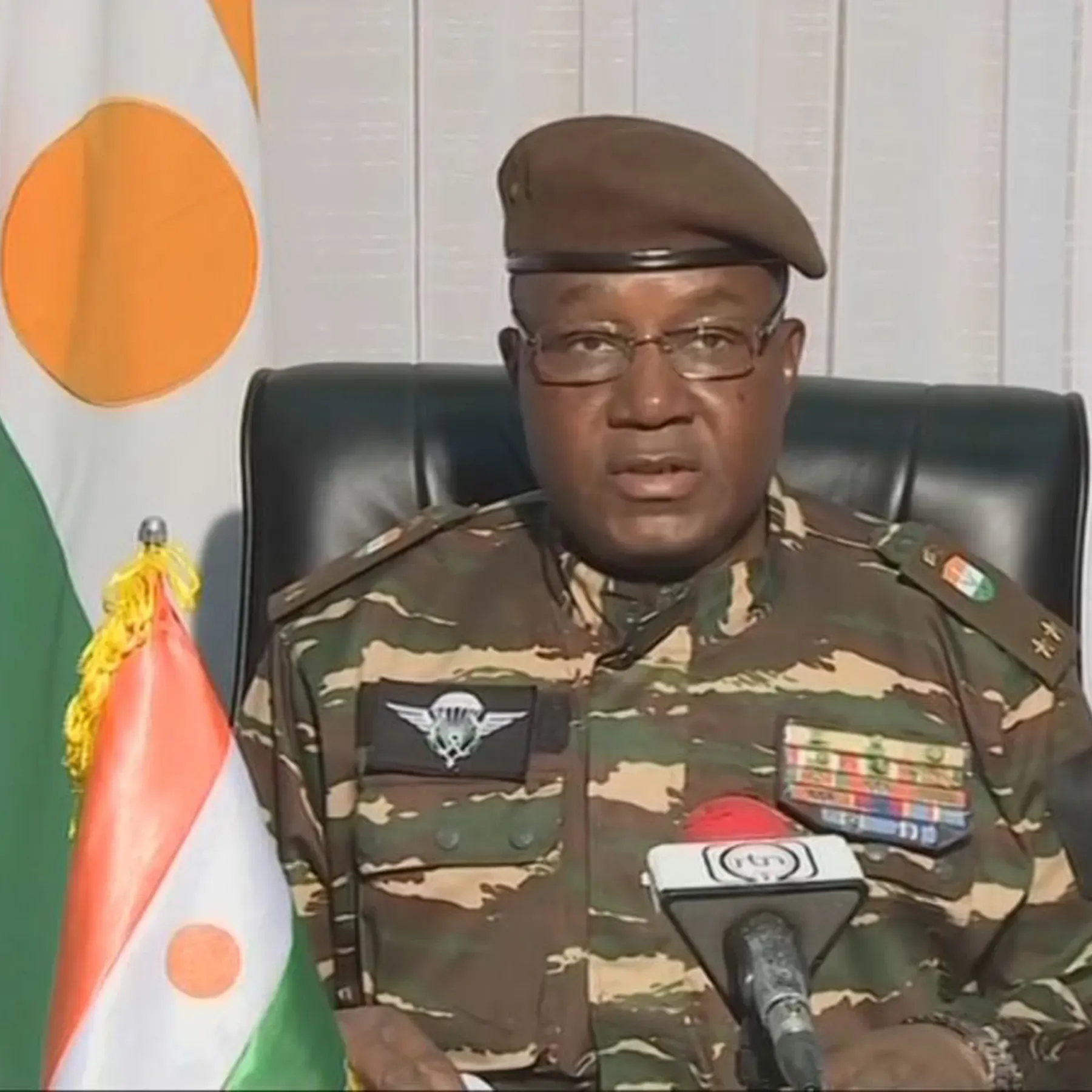
In the wake of the recent coup in Niger, General Abdourahamane Tchiani, the leader of the mutineers who assumed control, emphasized his nation’s reluctance for conflict but readiness to safeguard itself when necessary. Tchiani conveyed that both the military and the populace of Niger are averse to the prospects of war, yet they remain steadfast in their determination to counter any signs of aggression, as reported by Al Jazeera. The head of the junta underscored the unawareness of member states within the Economic Community of West African States (ECOWAS) regarding Niger’s pivotal role in preventing regional destabilization amidst a surge in terrorist activities. He expressed skepticism towards the imposed sanctions on his country, suggesting that they aimed to exert pressure on the rebels rather than resolve the ongoing crisis. Tchiani further clarified that the insurgents’ objective isn’t to seize power but to facilitate a solution that aligns with the best interests of the populace. The coup leader disclosed that an ECOWAS delegation visited Niger’s capital and held discussions both with the deposed President Mohamed Bazoum, who was removed and detained by his own guard led by Tchiani, and with Tchiani himself. Since the coup’s occurrence on July 26, ECOWAS has responded by suspending financial aid to Niger, freezing rebel-held assets, and imposing travel restrictions on flights to and from the nation. A subsequent summit in Nigeria’s Abuja resulted in ECOWAS leaders agreeing to ready a standby force to potentially compel the Nigerien military to reinstate Bazoum. On a recent note, ECOWAS Commissioner for Political Affairs, Abdel-Fatau Musah, indicated that the general staff chiefs within ECOWAS have set a date for an undisclosed military intervention. This decision comes as tensions and uncertainties persist within Niger’s political landscape. General Abdourahamane Tchiani’s statements echo a stance against war while highlighting the nation’s resolve to defend itself against aggression, as Niger navigates through these challenging times of political transition and unrest.