Senate Moves Forward with Bill to Protect Domestic Workers and Employers

In response to the escalating cases of abuse and exploitation faced by domestic workers in Nigeria, the Nigerian Senate has taken a significant step forward by advancing a bill aimed at protecting the rights of domestic workers and their employers. Sponsored by Senator Hussaini Babangida of the People’s Democratic Party (PDP) representing Jigawa State, the bill passed its second reading on Wednesday following a comprehensive presentation of its core principles during plenary sessions. Senator Babangida emphasized the urgent need for legislative intervention, stating, “Over the years, there has been an increase in the incidents of assaults and abuse of domestic workers by their employers or hosts. These abuses ranged from slave labor, physical abuse, and sexual abuse among others.” He further highlighted the vulnerability of domestic workers in the informal sector, noting, “They are unionists and they do not have a collective platform to speak for themselves and therefore remain ostensibly vulnerable and helpless.” Addressing concerns about crimes involving domestic workers, Babangida pointed out, “On the other side of the coin, is the rise in the state of complicity of crimes committed by domestic workers mostly in connivance with other criminal elements of society against their employers or host. These bother on burglary, kidnapping, stealing of children, and sometimes outright murder.” The bill aims to document and safeguard the rights of domestic workers while also considering the security concerns of their employers, particularly in rapidly urbanizing cities such as Port Harcourt, Lagos, Abuja, and Kano. President of the Senate, Godswill Akpabio, referred the bill to the Committee on Labour and Productivity for further legislative inputs after it successfully passed its second reading. It is expected to return to plenary for deliberation in four weeks. Also in a related development, a bill seeking to amend the Chartered Institute of Accountants of Nigeria (ICAN) Act also progressed with its second reading at the Senate. Presented by Senator Solomon Adeola (APC-Ogun), the bill proposes amendments to strengthen ICAN’s collaboration with other professional bodies and regulatory authorities, both domestically and internationally. Adeola highlighted the necessity of updating the ICAN Act to align with the evolving needs of chartered accountants and the changing economic landscape. “The act empowered the Institute to set standards and regulate the practice of Accountancy in Nigeria,” he stated. Following the second reading, the bill was referred to the Committee on Establishment and Public Service for further legislative inputs and is expected to return to plenary for consideration in three weeks’ time.
Bolt sacks 22 Nigerian workers

Bolt Nigeria, a technology-driven ride-hailing platform, on Tuesday said its restructuring efforts affected 22 employees that were laid off. The firm’s Communications Manager, Femi Adeyemo, confirmed this to our correspondent on the telephone on Tuesday. Adeyemo emphasised that Bolt Nigeria is not facing financial difficulties but is instead undergoing a restructuring process. “22 people out of 45 from a department were relieved of their jobs, not nearly half as claimed by some reports. “The department where it happened has 45 workers, not the whole Bolt. That number is not half of the workforce of Bolt,” he said. “The affected employees will receive comprehensive severance packages to support their transition to new career opportunities,” Adeyemo added. Subsequently, the e-hailing firm shared a statement that read, “Bolt has never done and is not doing any layoffs, which implies massively downsizing the team because the company is struggling financially. We have made the difficult decision to discontinue collaboration with 22 employees in Nigeria. “This decision comes as we have been going through the process of restructuring a considerable number of customer support and operational processes in the country. We have offered the people who will be leaving us severance packages that will support their transition to new career opportunities. “This decision does not affect the quality of our products for riders and drivers. We see great potential in Nigeria, and we will stand by our investment commitments in all our African markets.”
FG Offers Organised Labour N35,000 Pay Increase In Bid To Halt Planned Strike

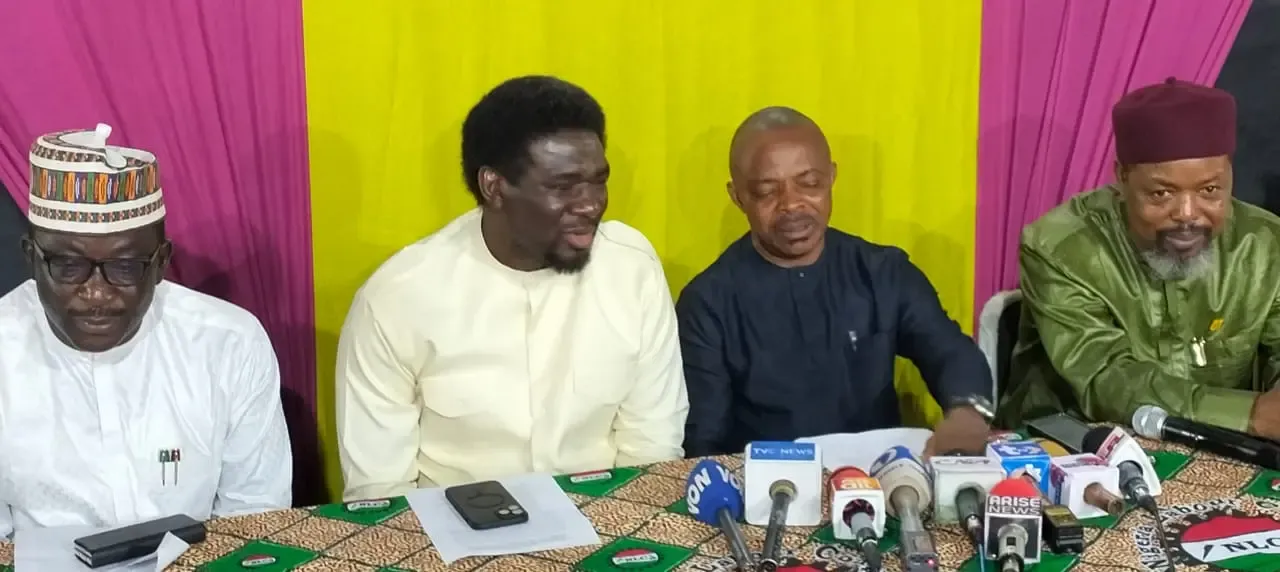
The Federal Government is optimistic that the planned indefinite strike by the Nigeria Labour Congress (NLC) and Trade Union Congress of Nigeria (TUC) can be averted, as it presents several compelling offers to address the ongoing dispute resulting from the removal of the subsidy on Premium Motor Spirit (PMS). During a lengthy meeting held in Abuja on Sunday, the government outlined several proposals aimed at resolving the impasse and mitigating the impact of the subsidy removal on Nigerian workers and citizens. The key highlight of these offers includes a substantial N35,000 pay increase for all “treasury-paid” federal employees. Other key agreements include Provisional Wage Increment: The Federal Government announced a provisional wage increment of N25,000 for all treasury-paid federal government workers for a period of six months. Compressed Natural Gas (CNG) Buses: To alleviate the transportation challenges associated with the subsidy removal, the government is committed to fast-tracking the provision of CNG buses for public transportation. Support for Micro and Small-Scale Enterprises: The Federal Government pledged to provide funding support for micro and small-scale enterprises, recognizing their importance in driving economic growth and employment. Waiver on VAT for Diesel: VAT on diesel will be waived for the next six months to help mitigate the effects of subsidy removal on businesses and individuals. Cash Transfer to Households: The government will initiate a cash transfer program, disbursing N75,000 to 15 million households at N25,000 per month over a three-month period from October to December 2023. Resolutions Reached: During the meeting, several resolutions were reached to address the ongoing dispute and ensure the welfare of Nigerian workers: Work While Negotiating: The parties emphasized that the issues in dispute can only be effectively resolved when workers are at work and not during strike actions. Higher Wage Award: Labour Unions advocated for a higher wage award, and the Federal Government pledged to present the request to President Bola Tinubu for further consideration. Sub-committee for Implementation: A sub-committee will be constituted to work out the details of implementing all items related to government interventions to cushion the effect of fuel subsidy removal. Resolution of Transport Workers’ Dispute: The matter concerning the Road Transport Employees Association of Nigeria (RTEAN) and the National Union of Road Transport Workers (NURTW) in Lagos State will be urgently addressed. Lagos State Governor, Babajide Sanwo-Olu, committed to resolving the matter. Suspension of Planned Strike: The NLC and TUC will carefully consider the offers made by the Federal Government with the intention of suspending the planned strike. This will allow for further consultations on the implementation of the agreed resolutions. Earlier, in his Independence Day speech, President Bola Tinubu had announced a N25,000 pay increment, indicating that it would apply exclusively to “low-grade” workers as a means of cushioning the effects of the fuel subsidy removal. The meeting, chaired by Chief of Staff to the President, Femi Gbajabiamila, saw the virtual participation of Governor Abdulrazak Abdulrahman of Kwara State, who also serves as Chairman of the Nigeria Governors Forum (NGF), and Governor Dapo Abiodun of Ogun State. The labour delegation, led by NLC President, Joe Ajaero, and Deputy President of TUC, Dr. Tommy Etim Okon, comprised key representatives from both unions, including NLC General Secretary Emma Ugboaja and TUC General Secretary Nuhu Toro, among others. Numerous government officials attended the meeting, including the Information Minister, Wale Edun; the Minister of Finance and Coordinating Minister of the Economy, the Minister of Labour and Employment, Simon Lalong; the Minister of State for Labour, Nkeiruka Onyejeocha; and the Minister of Budget and Economic Planning, Abubakar Atiku Bagudu. Also in attendance were the Minister of Humanitarian Affairs and Poverty Alleviation, Betta Edu; the Minister of Industry, Trade, and Investment, Doris Uzoka-Anite; the Head of Service of the Federation, Dr. Folasade Yemi-Esan; and the National Security Adviser (NSA), Mallam Nuhu Ribadu. A statement issued by the Minister of Information and National Orientation, Mohammed Idris, indicated that “NLC and TUC will consider the offers by the Federal Government with a view to suspending the planned strike to allow for further consultations on the implementation of the resolutions above.