News
News Menu
Business
Economy
Governance
Politics
North Central
Benue Update
Kogi Update
Kwara Update
Nasarawa Update
Niger Update
Plateau Update
FCT Update
North East
Adamawa Update
Bauchi Update
Borno Update
Gombe Update
Taraba Update
Yobe Update
North West
Jigawa Update
Kaduna Update
Kano Update
Katsina Update
Kebbi Update
Sokoto Update
Zamfara Update
South East
Abia Update
Anambra Update
Ebonyi Update
Enugu Update
Imo Update
South South
Akwa Ibom Update
Bayelsa Update
Cross River Update
Delta Update
Edo Update
Rivers Update
South West
Ekiti Update
Lagos Update
Ogun Update
Ondo Update
Osun Update
Oyo Update
Sports
SOCCER
Football
Sports
AFCON
NPFL
Premier League
EURO SOCCER
Champions League
Europa Conference
Europa League
La Liga
Boxing
Tennis
UFC
Editorial
MORE
Opinion
Entertainment
Investigation
Politics Lite
Publications
Travelogue
Notification
Show More
Politics
Business
Technology
News
News Menu
Business
Economy
Governance
Politics
North Central
North East
North West
South East
South South
South West
Sports
SOCCER
EURO SOCCER
Editorial
MORE
Opinion
Entertainment
Investigation
Politics Lite
Publications
Travelogue
Have an existing account?
Sign In
Follow US
Tag:
Nigeria Govs Forum
LG Autonomy: FG explains delayed implementation
By
admin
2 years ago
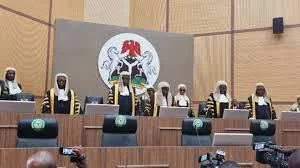
Supreme Court Reserves Judgement In Governors Suit Challenging EFCC’s Establishment
By
admin
2 years ago
Join Us!
Subscribe to our newsletter and never miss our latest news, podcasts etc..
[mc4wp_form]
Welcome Back!
Sign in to your account
Username or Email Address
Password
Remember me
Lost your password?