Sunak Appoints Cabinet Members Despite Losing To Starmer
In a significant reshuffling following the Conservative Party’s historic election loss in the United Kingdom, British opposition leader, Rishi Sunak announced his shadow cabinet on Monday. Some senior ministers have returned to roles they previously held in government, despite the recent parliamentary election defeat. Notably, former Foreign Secretary David Cameron has resigned. Andrew Mitchell is also set to manage foreign policy within the interim shadow cabinet, a team of senior spokespeople appointed by the opposition leader to mirror the government’s cabinet. The Conservative Party’s loss marked a historic moment, with several high-profile ministers, including former Defence Secretary Grant Shapps, losing their seats. The shadow cabinet will see James Cleverly continue his role with the Home Office, while James Cartlidge will handle defence matters, according to a party statement. “The Conservative Party has had a difficult election and it is important that we regroup and reflect on these results,” stated the new interim Chairman Richard Fuller. “We should also challenge ourselves candidly and deeply on the strengths of the Conservative Party across the country and outline where improvements can be made.” Chris Philp has been appointed Shadow Leader of the House of Commons, succeeding Penny Mordaunt, who was among the senior lawmakers to lose their seats. Former business minister Kemi Badenoch will now oversee the “levelling up” agenda. Jeremy Hunt will continue with the finance brief, while former Deputy Prime Minister Oliver Dowden takes on the role of deputy leader of the opposition.
Tinubu Swears In 3 New Cabinet Members

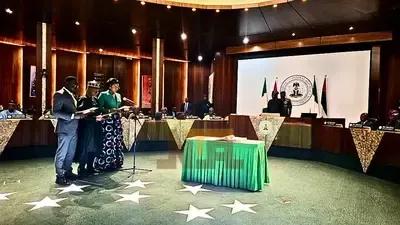
President Bola Tinubu administered the oath of office to three new ministers during the second Federal Executive Council meeting held at the Council Chambers of the Presidential Villa in Abuja on Monday. The newly appointed cabinet members are as follows: Malam Balarabe Lawal from Kaduna State as the Minister of Environment, Jamila Bio-Ibrahim from Kwara as the Minister of Youths, and Ayodele Olawande from Ondo as the Minister of State for Youths. These appointments follow the creation of the Ministry of Youths, with Tinubu nominating these individuals to lead it and serve as a replacement for former Kaduna State Governor, Malam Nasir el-Rufai. Recall that El-Rufai’s nomination was previously rejected during the Senate ministerial screening due to a petition against him. Tinubu, who chaired the FEC meeting, oversaw the swearing-in ceremony and also posed for photographs with the new cabinet members. The council also observed a minute of silence in honor of Late Mobolaji Ajose-Adeogun, a former member of the cabinet who served as the Minister of the Federal Capital Territory. This second FEC meeting further solidified the administration’s commitment to delivering on its “Renewed Hope Agenda” and addressing the eight-point economic agenda unveiled by President Tinubu during the inaugural meeting held in August. The Federal Executive Council serves as a constitutional institution where government policies are discussed and endorsed by ministers, with the President serving as the Chairman and the Vice President as the Vice Chairman.