Former Kwara Governor Arraigned In Court For Fraud

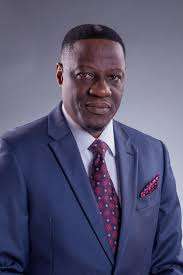
The Economic and Financial Crimes Commission (EFCC) has brought forward charges against the immediate past Kwara State Governor, Abdulfattah Ahmed. Ahmed was arraigned on Friday at the Federal High Court in Ilorin, the state capital. The anti-graft agency alleged that Ahmed misappropriated the sum of N1,610,730,500.00, originally designated for the security and running costs of the state, to charter private jets during his tenure. The charges include an alleged N10 billion fraud, with Ahmed facing a total of 12 counts. One of the counts accused Ahmed of converting N400 million from a N1 billion short-term loan received by the Kwara State Government from Ecobank Nigeria Limited. The EFCC contended that this conversion was done fraudulently, diverting funds intended for ongoing state projects. The EFCC’s document stated, “Ahmed (while being the Governor of Kwara State) between 2015 and 2019 in Ilorin within the jurisdiction of this honourable court used an aggregate sum of N1,610,730,500, property of Kwara State Government, meant for the security and running cost of the Government of Kwara State, to charter private jets through Travel Messengers Limited on different occasions for your local travels and which sum you reasonably ought to have known formed part of the proceeds of your unlawful act, to wit: criminal breach of trust or theft.” Abdulfattah Ahmed, who served as the state finance commissioner during Dr. Bukola Saraki’s governorship, succeeded Saraki in office and governed Kwara from 2011 to 2019.
Botched 2023 Census: Court asks NPC to release detail spending

Justice Inyang Ekwo of the Federal High Court, Abuja, has ordered the National Population Commission (NPC) to release details of spendings on the aborted 2023 Population Census to an Abuja based lawyer, Opatola Victor within seven days. The judge declared that the refusal by the NPC to release the information or records of spendings on the aborted census as requested by the lawyer on March 30, 2023, was illegal and unconstitutional. On the strength of Section 4 of the Freedom of Information Act, (FOI) the court held that the refusal of the commission to provide the plaintiff with information on the companies that provided due diligence report on the technology to be deployed for the ill-fated census was a gross violation of the right of the plaintiff. The court, however, refused to grant N500,000 in favour of the plaintiff as he requested in the suit. In the judgment, the judge granted an order of mandamus compelling the NPC, its servants, agents privies and officials to furnish the lawyer with comprehensive and detailed information concerning the Quality Test Assurance Report on the devices and technology to be deployed for the postponed 2023 population census. Justice Ekwo rejected the claim by the defendant that bureaucracy and the absence of its executive chairman at the time was responsible for the refusal to make the requested records available to the plaintiff adding that the claim was untenable. The judge also dismissed the claim by the NPC that some of the requested information was classified which prompted the refusal to make the records available to the plaintiff, adding that from the definition of classified information, there was nothing secret on the issue of population census. Justice Ekwo also said that the position of the commission that the record sought by the plaintiff was already in the public domain was not tenable because the request of the plaintiff was on record at the disposal of the NPC and not the one in the public domain. The Abuja lawyer had in the suit marked FHC/ABJ/CS/ 503/2023 prayed the court for an order that the refusal of the population commission to make the record of spendings on the aborted population census among others, available to him was a breech of his rights under Section 4 of the FOI Act 2012. He has prayed the court for an order of mandamus compelling the population commission to make the requested records of the aborted 2023 population census available to him in line with the provisions of the FOI Act. Although the plaintiff requested for a compensation of N500,000 for the breach of his rights by NPC under FOI, Justice Ekwo turned down the request on the grounds that the commission was not convicted for any offense.
Rhodes-Vivour’s Running Mate Resigns From Labour Party

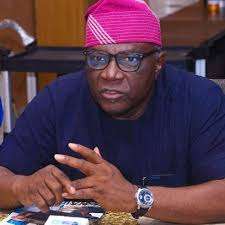
Princess Islamiyat Abiodun Oyefusi, the Labour Party’s deputy governorship candidate in the 2023 elections, has officially resigned from the party. Oyefusi conveyed her decision in a letter addressed to her ward chairman, expressing gratitude to Gbadebo Rhodes-Vivour for the political opportunity as his running mate. The resignation, outlined in the letter, stated, “I can no longer see myself aligning with the current values of Labour Party or as a member of Labour Party, and the time has come for me to move forward.” Oyefusi highlighted the past 10 months of her political career as interesting and thanked supporters across Lagos State and Nigeria for their dedication during the 2023 electioneering period. Looking ahead, she expressed optimism about collaborating with her team and supporters in the future to work towards shared goals, emphasizing the vision of freeing Lagos from one-party politics and contributing to a better Nigeria.
Presidential Aide Onanuga Pushes For Cryptocurrency Ban

Bayo Onanuga, the Special Adviser to President Bola Tinubu on Information and Strategy, has called for the ban of cryptocurrency and foreign exchange (Forex) platforms operating in Nigeria. Onanuga specifically targeted platforms like Binance, Kucoin, AbokiFX, and OctaFx, claiming that they are manipulating the national currency. Expressing concern over Binance’s influence, Onanuga pointed out the platform’s regulatory challenges in the United Kingdom, Japan, Canada, and Singapore. He urged the Economic and Financial Crimes Commission (EFCC) and the Central Bank of Nigeria (CBN) to take action against these platforms, emphasizing the need to prevent further devaluation of the Naira. He wrote: “According to Data Wallet, Binance is prohibited in the United Kingdom by the Financial Conduct Authority from conducting any regulated activities. In Japan, the Financial Services Agency (FSA) banned Binance for operating without the necessary regulatory approval,” the presidential aide said. “Ontario, Canada, has also suspended Binance services following its inability to meet the province’s securities regulation criteria. The Monetary Authority of Singapore also banned Singaporean investors from accessing Binance’s services. “Binance, facing regulatory showdown in many countries, and causing disruptions in the currency market, should not be allowed to dictate the value of the Naira, not on its crypto exchange platform. “Other crypto platforms such as Kucoin, Bybit should be banned from operating in our cyberspace. FX platform Aboki should be re-banned.” This call for a ban aligns with the CBN’s previous directive on February 5, 2021, instructing financial institutions to close accounts involved in crypto transactions due to concerns about money laundering, terrorism financing, cybercrime, and the volatile nature of cryptocurrencies.
Former CBN Governor Godwin Emefiele Demands N25 Billion in Damages from Senate President Akpabio

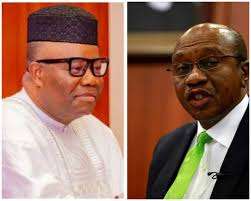
Godwin Emefiele, the immediate-past governor of the Central Bank of Nigeria (CBN), has taken legal action against Senate President Godswill Akpabio. Emefiele is seeking N25 billion in damages over an alleged defamatory remark made by Akpabio. Akpabio, on Sunday, claimed that there are numerous allegations against Emefiele, making it challenging for the federal government to specify charges against him. Additionally, Akpabio attributed the economic hardship in the country to the policies implemented during Emefiele’s tenure as the CBN governor. The demand for damages and an apology is outlined in a letter dated February 19, sent by Matthew Burkaa, counsel to Emefiele. The letter warned that failure to comply with these demands will result in the former CBN governor seeking “appropriate redress” through legal means.
DR Congo Prime Minister Resigns Amid Escalating Conflict

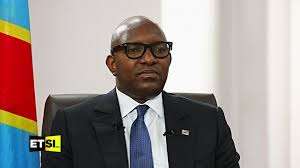
Prime Minister Jean-Michel Sama Lukonde of the Democratic Republic of Congo has tendered his resignation on Tuesday amid escalating clashes between rebels and government forces. Lukonde, who assumed office in February 2021, submitted his resignation to President Felix Tshisekedi just eight days after the validation of his mandate as a national deputy. The resignation was swiftly accepted by President Tshisekedi, who also announced the immediate dissolution of Lukonde’s government. However, the presidency revealed that the outgoing government would continue handling current affairs until a new one is formed. While the official statement did not specify the reasons behind Lukonde’s resignation, tensions have intensified in recent days around the strategic town of Sake, near Goma. The M23 rebel group, allegedly backed by neighboring Rwanda, has clashed with Congolese government forces, leading to heightened unrest in the region. In a separate incident, Goma airport in eastern DR Congo was struck by a bomb, as reported last Saturday by SaharaReporters. The source in the North Kivu province confirmed the attack, stating that “two bombs” had hit the facility but caused no significant damage. Security experts are on-site to investigate the origin of the bombing.
FG To Resume Trial Of IPOB Leader Nnamdi Kanu On Terrorism Charges

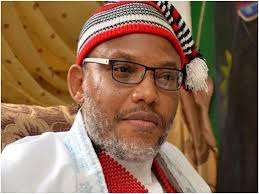
The Federal Government of Nigeria is set to recommence the trial of Nnamdi Kanu, the leader of the Indigenous People of Biafra (IPOB), on terrorism charges. Following a Supreme Court judgment on December 15, 2023, permitting the continuation of the trial, proceedings are scheduled to resume on Monday, February 26. The trial will take place before Justice Binta Nyako at the Federal High Court in Abuja, as indicated in a notice viewed by reporters. Notably, Kanu’s lead counsel, Mike Ozekhome, and the Attorney General of the Federation and Minister of Justice have been duly notified. Efforts have also been made to ensure Kanu’s presence in court, with the Director General of the Department of State Services (DSS) contacted for this purpose. Kanu has been in DSS custody since his arrest in Kenya on June 19, 2021, and subsequent extradition to Nigeria. Initially facing 15-count terrorism charges, Justice Binta Nyako dismissed eight of the charges during the trial. The Court of Appeal in Abuja later overturned the entire terrorism case in October 2022, citing the unlawful rendition of Kanu by the Nigerian government from Kenya. However, the Supreme Court, in a unanimous judgment delivered by Justice Garba Lawal on December 15, 2023, overturned the Court of Appeal’s decision, affirming the continuation of Kanu’s trial. Despite acknowledging the irregularities in Kanu’s extradition, the Apex Court emphasized that such actions did not hinder the court’s authority to proceed with the trial, suggesting that the appropriate remedy for Kanu would be through a civil matter against the government.
Nigerian Senate Establishes 43-Member Committee for Constitution Review

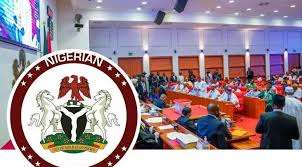
The Nigerian Senate has taken a decisive step towards addressing the longstanding need for constitutional reform by inaugurating a 43-member committee tasked with reviewing the 1999 Constitution of the Federal Republic of Nigeria. Chaired by Deputy Senate President Jibril Barau, with Senate Leader Bamidele Opeyemi serving as Vice Chairman, the committee comprises 43 Senators representing each state of the federation, including the Federal Capital Territory (FCT), as well as an additional six members representing the country’s geopolitical zones and all female senators of the 10th Senate. In his announcement, Senate President Godswill Akpabio emphasized the urgency of revisiting the 1999 constitution, highlighting the necessity for a major review to better serve the interests of Nigerians. Akpabio further directed the Deputy Senate President to engage Speakers of State Houses of Assembly in preparatory discussions prior to commencing the review process. During the inaugural address, Committee Chairman Jibril Barau outlined the committee’s strategic approach, emphasizing collaboration with the House of Representatives and state Houses of Assembly to achieve comprehensive results. Barau underscored the importance of consulting with stakeholders from diverse sectors to ensure the success of the review process, clarifying that the committee’s objective is to amend select sections of the constitution for the benefit of the Nigerian populace. Echoing Barau’s sentiments, Senate Leader Bamidele Opeyemi affirmed the committee’s commitment to delivering tangible outcomes, acknowledging the critical juncture in the nation’s history and assuring Nigerians that the committee’s work would not adhere to conventional practices. Opeyemi emphasized the inclusion of stakeholders from academia, political groups, and other interest groups in the committee’s deliberations. Additionally, lawmakers emphasized the importance of adhering to timelines and collaborating with the executive branch to ensure a holistic approach to constitutional reform. Representatives assigned to the committee from each geopolitical zone include Senator Adamu Aliero (NW), Senator Orji Kalu (SE), Senator Fadahunsi Francis (SW), Senator Bomai Muhammed (NE), Senator Barinad Mpigi (SS), and Senator Umar Sadiq Suleiman. The Senate review committee aims to identify pertinent sections of the constitution requiring amendment to address contemporary national challenges, with inputs solicited from various stakeholders to inform the revision process.
Federal High Courts embark On Easter Vacation, March 22

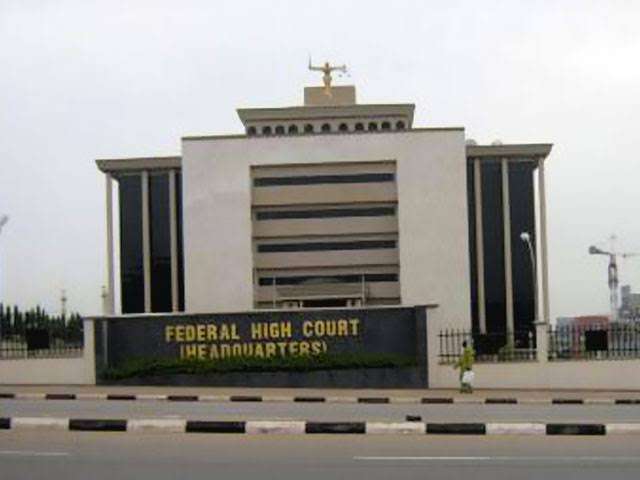
The Chief Judge of the Federal High Court of Nigeria, Justice John Terhemba Tsoho, has announced that the courts will embark on Easter vacation from March 22 to 8th April 2024. This is Pursuant to the provisions of Order 46, Rule 4 (b) of the Federal High Court (Civil Procedure) Rules, 2019 (as amended). A statement signed by the Assistant Director of Information, Catherine Oby Christopher,PhD. Assistant Director Information, indicated list of vacation judges. The Court resumes sitting on Tuesday, 9th April, 2024 in all Judicial Divisions. During the vacation period, the Abuja, Lagos and Port-Harcourt Judicial Divisions shall remain open to the public only for cases of extreme urgency. It is essential to stress that, during the vacation, only matters relating to enforcement of Fundamental Rights; Arrest or Release of Vessels and matters that concerns dire National Interest are to be entertained by Vacation Judges. The Abuja Judicial Division will cater for cases from the Federal Capital Territory, North Central, North Western, and North Eastern parts of the Country. The Lagos Division will cater for cases from all the South Western States, while the Port-Harcourt Judicial Division will cater for cases from all states within the South-South and South Eastern Geo-political Zones. The following Hon. Judges will serve as Vacation Judges: ABUJA JUDICIAL DIVISION: Hon. Justice I.E. Ekwo and Hon. Justice D.U. Okorowo LAGOS JUDICIAL DIVISION has Hon. Justice A.O. Awogboro and Hon. Justice Ibrahim I. Kala While PORT-HARCOURT JUDICIAL DIVISION has Hon. Justice A.T. Mohammed and Hon. Justice S.I. Mark as their vacation judges. The Vacation Judges and Heads of Divisions are as usual advised to promptly refer to the Hon. Chief Judge all matters which they believe may require His Lordship’s urgent attention and directives. The Chief Judge of the Federal High Court of Nigeria, Honorable Justice John T. Tsoho, wishes his fellow lordships a wonderful vacation in advance.
ECOWAS President condemns non enforcement of its court judgments

The ECOWAS Commission President, Omar Touray, has condemned the non enforcement of its judgements among the member statess. Touray insisted that the enforcement ofjudgmentss of the Community Court has remained a major issue in the effective delivery of the mandate and responsibility of the judicial institution to the community citizens. Speaking at the ECOWAS Judicial Council meeting, in Abuja Tuesday, Touray noted that the supplementary protocol relating to the ECOWAS Community Court provides a role for the national judicial institutions in the enforcement of these judgements. “I believe that it is time for deliberate action to be taken to address this challenge. “In this era, where instability and insecurity are overwhelming our community, the role of the justice sector is crucial in conflict prevention, through the promotion and defence of the rule of law and human rights. He stressed the need to institutionalise a more regular meeting of the Judicial Council to ensure that the activities of the Court benefit from theregulary review and guidance of the Council. The ECOWAS Commission President noted that the Community Court has become an exemplary institution, which is being emulated by other regional courts in the continent, adding that the Court has witnessed the transition of judges over the years: the recruitment of Judges of high quality and standards to preside over the affairs of the Court. The 2-day ECOWAS judicial council conference on enforcemenot of ECOWAS court judgments was declared open by the Chief Justice of Nigeria, Justice Olukayode Ariwoola. The meetin, which started on Tuesday, and had in attendance, the Chief Justices of member countries of ECOWA, is presided over by Justice Ariwoola, the Chairman of the ECOWAS Judicial Council. In an opening address, Justice Ariwoola recalled that in June 2006, the Authority of Heads of State and Government of ECOWAS decided to establish a Judicial Council of the Community with the responsibility for recruiting judges for the Community Court and handling disciplinary matters of the judges, including the functioning of the Court. Justice Ariwoola said the ECOWAS Judicial Council, though not as widely known as some other bodies, plays a crucial role in maintaining the rule of law and justice within ourregionn. “The Judicial Council serves as the guardian of the rule of law and the protector of human rights within the region, he said. In addition, the ECOWAS Judicial Council plays a crucial role in the resolution of disputes among member states, ensuring that conflicts are resolved peacefully and in accordance with the rule of law. The objective of this starutory meeting of ECOWas Judicial Council is to review the legal framework of the Community Judicial Council, look deeply on our responsibilitie, and suggest areas for improvement. The ECOWAS Judicial Council plays a crucial role in the resolution of disputes among memberstatess, ensuring that conflicts are resolved in peacefully and in accordance with the rule of law. “It acts as a mediator and facilitator in resolving disputes, promoting dialogue and reconciliation among member states. “By doing so, the Council contributes to the maintenance of peace and stability in the regio,n” Justice Ariwoola stated. The ECOWAS Judicial Council Chairman hinted that the objective of the Statutory meeting of ECOWAS Judicial Council is to review the legal framework of the Community Judicial Council, look deeply on our responsibilities and suggest areas for improvement. “No doubt, the ECOWAS Judicial Council is an indispensable institution in the West African region. “Through its numerous functions, the Council strives to ensure the independence and integrity of the judiciary, protect human rights, interpret regional laws, and resolve disputes among member states. “As we move forward, it is crucial to support and strengthen the ECOWAS Judicial Council, as it continues to play vital role in our collective journey towards a more just, peaceful, and integrated West Africa” Justice Ariwoola stated.