Nigeria aims to refine more oil locally – Lokpobiri

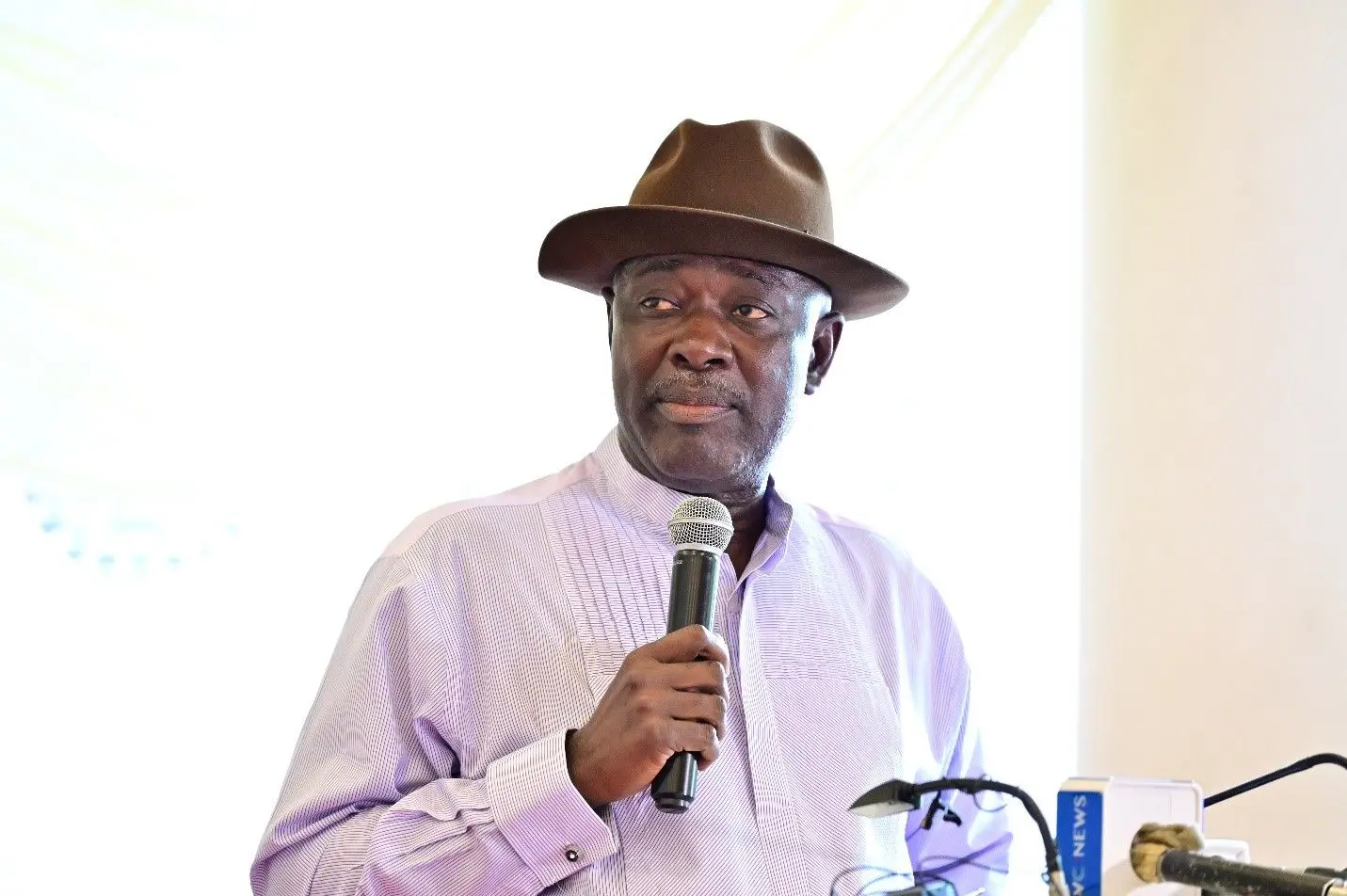
Minister of State for Petroleum Resources (Oil), Heineken Lokpobiri, says the Federal Government is determined to ensure that every barrel of crude produced in Nigeria adds real value at home and abroad. He said this while speaking at the 2025 COREN Summit in Lagos on Tuesday. Lokpobiri, who was represented by his technical adviser, Ndah Adaba, said improving local refining capacity and energy security remains central to Nigeria’s development goals. The theme of the summit is “Refinery – Key to Energy Security in Africa”. It brought together engineers, policymakers, and energy professionals from across the continent. According to the minister, as part of a deliberate policy and broader strategy, the ‘Naira for Crude’ sales agreement will continue to play a vital role in reducing the cost of fuel production. He added that it also help in mitigatinh exchange rate volatility, and supporting indigenous refining capacity. Lokpobiri stated that through the Nigerian Midstream and Downstream Petroleum Regulatory Authority (NMDPRA), the government had streamlined the licensing process, from the Licence to Establish, to Construct, and Operate. This, he added, helps in ensuring that credible investors are supported rather than hindered by bureaucratic bottlenecks. The minister noted “Beyond licensing, the government is also facilitating crude oil supply to domestic refiners through the effective implementation of the Domestic Crude Oil Supply Obligation (DSCO). “No nation can claim energy independence without the ability to refine its own crude. He noted that the timing of the summit is critical, as Nigeria, and Africa at large, faces a pivotal moment requiring bold action to ensure energy security, promote indigenous refining, and position the continent as a net exporter of petroleum products. He said that under the Renewed Hope Agenda of President Bola Tinubu, indigenous refining had been identified as a key driver of energy independence, job creation, and industrial revitalisation. “Today, we have seen indigenous success stories such as Dangote Refinery & Petrochemical, Waltersmith Petroman Refinery, and Aradel Holdings, among others. “These demonstrate that Nigerians possess both the capacity and the will to refine Nigeria’s crude oil locally. “These projects are more than just facilities; they symbolize confidence in our policy direction. We are committed to replicating such success across all oil-producing states,”Lokpobiri said. In a move to expand Nigeria’s refining influence beyond its borderthehe added that the government had launched the West African Fuel Reference Market, aimed at positioning Nigeria as a regional hub for refining and petroleum product supply within the West African subregion. “With increased domestic refining capacity, Nigeria will not only meet its internal demands but also become a reliable supplier to neighboring countries, reducing dependence on distant refineries and costly maritime imports. “This aligns with the African Union’s vision for energy integration and intra-African trade under the African Continental Free Trade Area (AfCFTA),” he noted. Looking ahead, Lokpobiri said the government would ensure feedstock security for all licensed refiners and deepen fiscal incentives to attract further investments. He also highlighted ongoing efforts to enhance collaboration among the Ministry of Petroleum Resources, NMDPRA, NUPRC, and security agencies to combat crude theft, pipeline vandalism, and improve relationships with host communities. The minister further stressed the need for African nations to collaborate on product exchange, logistics, and shared energy infrastructure. “The path to Africa’s energy security runs through the gates of our refineries and the institutions that support them. “The Federal Government remains fully committed to supporting indigenous refiners, strengthening regulatory institutions, and creating an enabling environment for sustainable growth in the downstream sector. “Let this COREN Summit 2025 serve as a renewed call to industry players, regulators, investors, and policymakers—to unite in building an Africa that refines what it produces and powers its future through its own resources,” he said.
Anti-Party Actions: APC Suspends Lokpobiri, Lyon, Others

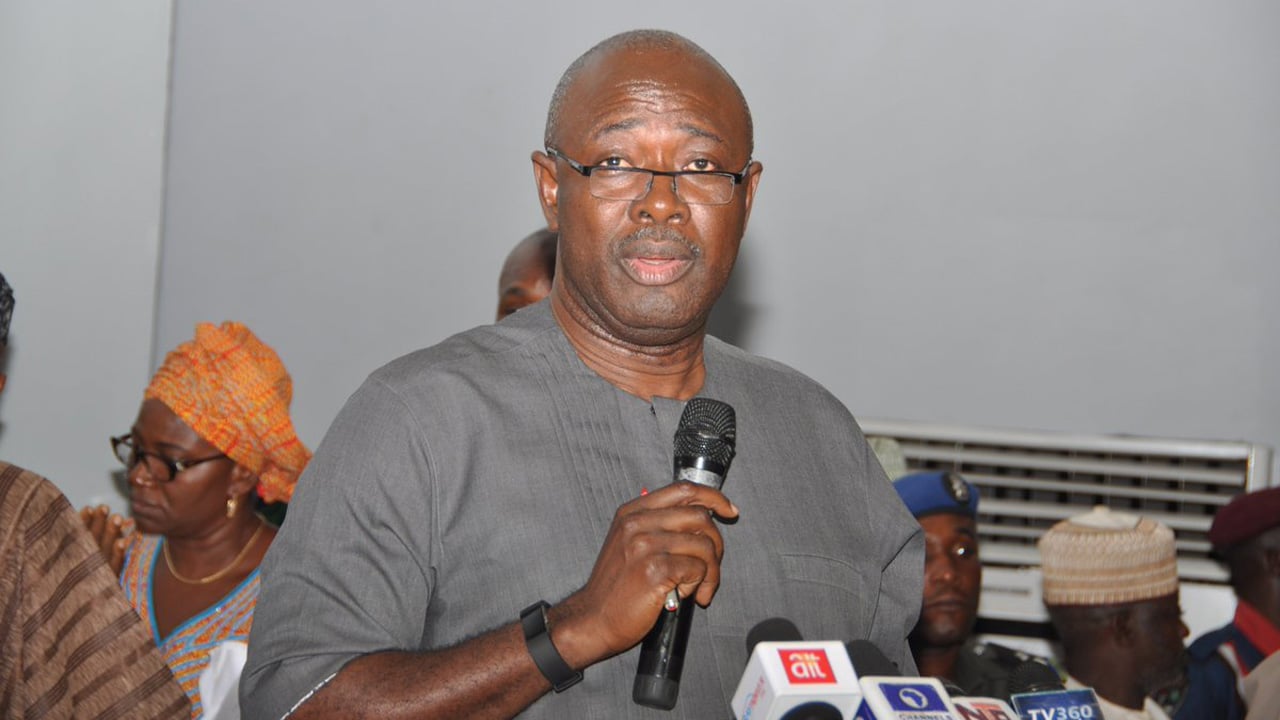
The All Progressives Congress (APC) in Bayelsa State has suspended several members, including the Minister of State for Petroleum Resources, Senator Heineken Lokpobiri, and its 2019 governorship candidate, David Lyon, for their alleged involvement in anti-party activities. This action extends to key figures like Kharim Kumoko, the state Commissioner for Power, and Peres Biewari, the Commissioner for Lands and Survey. Party officials also suspended former state chairman Jothan Amos, National Executive Council member Godbless Diriwari, and Southern Ijaw APC Youth Leader Sabi Morgan. The suspensions affected several ward leaders in Southern Ijaw, including Omiebi Fuoebi of Ward 3 and Claudius Odobu of Ward 4, alongside their ward executives. Local APC leaders in Yenagoa, led by Mitin Eniekenemi Senator from Ekeremor Local Government Area, explained the decision was based on a report from the party’s disciplinary committee. They claimed Lokpobiri had fostered division within the party by creating a factional state secretariat and supporting rival candidates in previous elections. Additionally, the party accused Lokpobiri of working with the People’s Democratic Party (PDP) during the 2023 Bayelsa State gubernatorial election. Lokpobiri and his associates allegedly backed Governor Douye Diri’s campaign, which the party claims led to appointments and contracts for his followers within the PDP-led state government. Chief David Lyon and seven others were also suspended for supporting rival candidates during the 2020 Bayelsa Central senatorial bye-election and the 2023 gubernatorial election. The suspensions have been forwarded to the state executive council for further action, as the party aims to rebuild and regain the confidence of its grassroots supporters ahead of future elections.
South Korean Consortium to Establish Four Refineries in Nigeria

Heineken Lokpobiri, Nigeria’s Junior oil Minister has hinted of a South Korean consortium establishing four refineries in Nigeria. Lokpobiri announced in Lagos, October 8, at the inaugural summit of Refineries Owners Association of Nigeria in Lagos, that each of the refineries will have 100,000 barrels/day capacity. The government is actively encouraging investments in the petroleum sector by creating a favorable environment for private partnerships. Recently, an invitation was extended to the consortium, which aims to construct the refineries in different locations across the country. Lokpobiri emphasized the government’s commitment to energy security and the need for more modular and mega refineries to boost the industry. The approach involves a public-private partnership model to facilitate investment in the oil and gas sector’s midstream and downstream segments. To support local refineries, the Nigerian Upstream Petroleum Regulatory Commission has established guidelines to ensure a transparent supply of crude oil. The government is also focusing on providing special concessions to local refinery owners, thereby enhancing their access to feedstock. Furthermore, Lokpobiri discussed the government’s plans to deregulate the downstream sector fully and ease tax burdens on imported refinery equipment. This initiative aims to position Nigeria as Africa’s leading petroleum refining hub and achieve self-sufficiency in petroleum production. In response to the challenges of crude oil theft and illegal refining, an international emergency committee has been formed to develop sustainable solutions for domestic refining operations. The ministry is also exploring partnerships with international bodies to enhance knowledge transfer and technological advancements in the refining sector.
Kaduna Refinery Ready By Q4 2024, Lokpobiri Assures

The Minister of State for Petroleum Resources (Oil), Senator Heineken Lokpobiri, has revealed that the ongoing quick-fix project at the Kaduna Refinery and Petrochemicals Company Limited, KRPC, will be back on stream by the end of 2024. The Minister disclosed this during an inspection tour of Kaduna Refinery & Petrochemicals while assessing the progress of work on the ongoing quick-fix project of the Refinery in Kaduna on Saturday. A statement signed by the NNPC Limited management on its official X handle, formerly Twitter, Lokpobiri said he is confident that the refinery will be restreamed by the end of 2024, considering the “significant level of progress” he has witnessed on the tour. The Minister, who observed that he would continue to hold key players involved in the rehabilitation process of the nation’s refineries accountable, also pledged Federal Government support in ensuring the timely delivery of the project. According to the Minister, there is an urgent need to get the refinery back on stream for the nation’s economic prosperity and energy security, which are both paths to sustainable development. Speaking earlier, Group Chief Executive Officer of NNPC Ltd., Mele Kyari, reassured the minister that the fuel plant at the refinery will be delivered by the end of 2024. Kyari said that all hands are on deck to bring the refinery back on stream, stressing that the contractor has since mobilized to the site and the needed equipment for the quick-fix activities is already in place. “We are very confident that we will get the appropriate financing to get to the end of it, and ultimately, we will start to deliver value to Nigerians again. We plan the quick fix for 60,000 barrels per day so that we can start making money from this plant and we can continue the other part of the refinery to bring it up to its full-fledged capacity. This will also tally with the completion of the Build, Operate, and Transfer (BOT) on the pipeline so as to have a reliable pipeline delivery infrastructure,” the GCEO stated. The inspection tour, which was preceded by the 14th refineries rehabilitation steering committee meeting, also had in attendance NNPC Limited’s Executive Vice President, Downstream, Adedapo Segun; Executive Vice President, Upstream, Oritsemeyiwa Eyesan; Managing Directors of the three refineries; and a host of other members of the Committee.