Tinubu’s Reforms Will Bring Prosperity To Nigeria -AGF

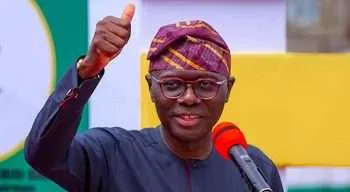
The Attorney General of the Federation and Minister of Justice, Prince Lateef Fagbemi (SAN), has said ongoing reforms of President Bola Ahmed Tinubu will bring economic prosperity and stability to Nigeria. He urged Nigerians to be patient with the president and support the reforms being introduced across the board. Fagbemi spoke during a prayer organised in his honour by his family in his Ijagbo country-home in Oyun Local Government of Kwara State on Friday. The event was attended by the state governor, Abdurrazaq Abdurrahman; monarchs, friends and well wishers. A statement signed by the S A Communication & Publicity to AGF& Minister of Justice, Kamarudeen Ogundele, stated that the minister assured Nigerians of the president’s determination to take the country out of the woods. He said, “The president is not looking for self aggravadisement. He’s seeking a better future for the country. ” Immediately after his swearing in, he has been all out to seek investors’ buy-in. As a result, positive responses have been trailing his discussions with foreign investors. The only thing we need is to exercise some patience. Even if you plant a tree, it won’t grow into fruition until after a while. “Nigerians need to be patient; things will improve greatly in the coming days. The sacrifices of today will translate to a greater future for the country. I know with prayers and support of Nigerians, the country will emerge stronger.” The AGF commended the governor for his giant strides in the state.
Sectorial Debate: Reps Reject Service Chiefs, IGP’s Representatives

*Insist On Personal Appearance The House of Representatives has moved the Sectoral debate scheduled for Thursday (today) due to the absence of the Service Chiefs who were expected to attend in person. The Chief of Defence Staff, General Christopher Musa; Chief of Army Staff, Lt-General Taoreed Lagbaja; Chief of Air Staff, Air Marshal Hassan Abubakar; Chief of Naval Staff, Vice Admiral Emmanuel Ogalla; and the Inspector-General of Police, Kayode Egbetokun, were invited to the session as part of the House’s Sectorial Debates, as per Order 17, Rules 1(3) of the Standing Orders. However, the Service Chiefs and the IGP failed to attend and instead sent representatives, who were denied participation by the House, insisting on the Chiefs’ personal presence. Despite the attempt by the representatives to introduce themselves, Deputy Speaker Benjamin Kalu emphasized the importance of the Chiefs attending in person, stating, “Chief Executives, be it private sector or public sector, they must come in person. I want to pray that we don’t break this sacred tradition of our House lest we be taken for granted.” Following this, a motion to suspend the sectoral engagement until the leaders’ direct appearance was proposed by the Deputy Speaker and seconded by another member, which was ultimately adopted by the House. Speaker Abbas Tajuddeen conveyed the House’s stance, emphasizing the necessity for the Chiefs to be present, extending the engagement to the following Tuesday to accommodate their attendance. The House expressed appreciation for the representatives’ presence but maintained the firm requirement for the Service Chiefs’ personal appearance in the forthcoming session.
Fitch Applauds Tinubu’s Reforms, Affirms Stable Credit Ratings

Fitch Ratings has affirmed Nigeria’s long-term foreign currency credit default outlook at B, citing recent policies by President Tinubu as responsible for the stable outlook. It also raised concerns over the proposed $10 billion forex loan which the government plans to use to offset forex backlogs and inject liquidity into the system. This is from its latest rating outlook commentary on the Nigerian economy. The global credit ratings agency noted that reforms such as fuel subsidy removal and the new exchange rate framework were responsible for the stable outlook. On the strengths and weaknesses of the Nigeria economy, the agency noted “Nigeria’s ‘B-‘rating is supported by a large economy, a developed and liquid domestic debt market, and large oil and gas reserves. The rating is constrained by weak governance, structurally very low non-oil revenue, high hydrocarbon dependence, security challenges, high inflation, low net FX reserves, and ongoing weakness in the exchange-rate framework.” Fitch raised concerns about the recent government announcement to secure $10 billion in foreign exchange, highlighting the absence of specific information, such as whether this amount encompasses World Bank budget support loans totaling $1.5 billion. It stated, “we forecast a broadly flat current account surplus, averaging 0.5 per cent of Gross Domestic Product (GDP) in 2023-2024. There is a lack of detail on a recent government announcement to raise $10 billion of forex, including whether this includes World Bank budget support loans of $1.5 billion. Following the sharp depreciation this year, Fitch assumes exchange-rate adjustments proceed more gradually in subsequent years.” However, it said signs of backtracking on reforms such as “a lower degree of price discovery in the foreign exchange (forex) market than in late June” and recent revelation from the nation’s apex bank which suggests that foreign reserve is significantly lower than publicly acknowledged. The agency also noted that the country’s public debt, excluding Central Bank of Nigeria loans, has a relatively extended average maturity of 9.7 years. Beyond that, the agency said the scarcity of foreign exchange is hindering economic activities in the country and impeding the flow of foreign capital and the CBN’s net foreign exchange position is lower than understood according to its financial statement published in August. Going further, the agency explained that Nigeria’s growth in 2024 will be spurred by an increase in crude oil production, a reduction in budget deficit freeing resources for capital expenditure, non-oil revenue growth, etc. But it highlighted Nigeria’s macro-economic challenges to include; high inflation which it projects to drop to 21.1% in 2024, and a high interest rate.
Delta State Government Assures On Improved Services in 2024 Budget

The Delta State Government is gearing up to deliver a more comprehensive and effective 2024 state budget that addresses the concerns of its residents. During a Zoom meeting, the Commissioner for Economic Planning, Sonny Akporokiamo Ekedayen, shed light on various aspects of the upcoming budget, which aims to enhance the lives of Deltans. Housing has been a significant concern for many residents, particularly students who have been grappling with the high cost of accommodation. The commissioner pledged to address this issue by acquiring vast land and collaborating with developers to construct affordable housing options, with a particular focus on students’ needs. Road infrastructure is another critical area in the state, with complaints about the deteriorating state of the Efurrun Abraka Agbor road, which residents consider a safety hazard. The commissioner assured the public that work is already underway to repair the road, emphasizing the government’s commitment to delivering high-quality infrastructure. Although concrete construction was preferred, cost considerations led to the decision to use asphalt. Recognizing the importance of food security, the government plans to invest in farm settlements to make food more accessible and affordable for the people of Delta State. This step is expected to have a positive impact on local agriculture and food supply. In addition to these specific areas, the 2024 budget will also encompass crucial sectors such as security and education, aiming to ensure the satisfaction of Delta’s residents. Commissioner Ekedayen urged the public to be patient and supportive as the new government settles into its responsibilities. He said the Delta State Government is determined to improve the lives of its citizens through a well-rounded and people-centric budget for the upcoming year.
Environmental Degradation: Sanwo-Olu Seals Mile 12, Owode Onirin Markets

Lagos State government has sealed the Mile 12 International Market and the Owode Onirin Market on Friday for creating environmental malfeasance. The Ministry of Environment and Water Resources stated in Ikeja, that the markets were sealed because of indiscriminate dumping and burning of refuse, the filthy environment, and blocked drains. It stated that the Commissioner for Environment and Water Resources, Mr Tokunbo Wahab, directed the Lagos Waste Management Agency and “KAI’’ to seal the markets. “The reasons for sealing the markets are not unconnected with the indiscriminate dumping and burning of refuse, filthy environment, blocked and littered drains. “The action also followed illegal and indiscriminate parking and abandonment of trucks on the highway leading to the two markets, impeding free flow of traffic,’’ the ministry stated.
Nigeria @63: Wike Calls For Collective Efforts To Rebuild FCT

The Minister of the Federal Capital Territory (FCT), Nyesom Wike has called for collective efforts in rebuilding the Federal Capital Territory (FCT). Wike, who made the call in his independence message in Abuja on Sunday, stressed that building a strong and resilient society requires collective effort. “It means working together to address the issues that confront us, be it in the areas of education, healthcare, infrastructure, or security. “It means fostering a culture of innovation and entrepreneurship that empowers our youth and creates opportunities for all. “As residents of the FCT, we are not only Nigerians but also representatives of our nation’s diversity and unity,” he said. He reiterated the FCT Administration’s dedication to enhance the infrastructural development of the FCT and improve essential social services to meet the growing needs of residents. He, however, noted that this monumental task cannot be accomplished by the FCTA alone. “It is a collective endeavor that requires the active participation and commitment of every resident. “In this regard, I implore all residents to fulfill their civic responsibilities by paying their taxes promptly, including ground rents and utility bills. “These contributions are crucial for sustaining and enhancing the services and infrastructure that make our city function smoothly. The minister described Independence Day as not merely “a date on the calendar”, but a reminder of the sacrifices made by our ancestors. He added that the day was also a reminder of the struggles they endured, and the dreams they held for a united and prosperous Nigeria. “Today, as the FCT Minister, I want to call upon each resident of the territory to rededicate themselves to the vision of a stronger and more prosperous Nigeria. “Let us be reminded, therefore, of our obligation to society; our responsibilities as citizens extend beyond our rights. “We must contribute to the well-being of our fellow Nigerians and actively participate in the development of our communities and the nation. “In the FCT, where diversity is our strength, let us also remember our unique role as residents. We must live up to the tenets of unity that our capital represents. “Let us build bridges across cultures, religions, and ethnicities. “As we strive to make Abuja a great city, I call upon every resident to join hands with us,” the minister said.
Tinubu’s 100 Days: Navigating the challenges, high expectations

President Bola Ahmed Tinubu achieved his lifelong aspiration of becoming Nigeria’s president when he was declared the president-elect of the February 25, 2023, presidential election. On May 29, 2023, during his inauguration as the President and Commander-in-Chief of the Armed Forces, he wasted no time in expressing his commitment to hit the ground running. In his address, he humbly requested not to be pitied, emphasizing that he had actively pursued the presidency. President Tinubu’s first 100 days in office were marked on September 5, 2023. However, an in-depth assessment of his administration within this relatively short timeframe may not fully reflect the promises he made to the Nigerian people. It is essential to consider the challenges inherited from the previous administration under Muhammadu Buhari, which endured eight years of economic difficulties. President Tinubu had pledged to alleviate the burdens faced by the poor, and this commitment generated enthusiasm and high expectations among the populace. One notable policy shift was the sudden removal of the controversial oil subsidy without accompanying palliative measures mentioned during his inauguration speech. Following this move, Nigerian oil marketers and fuel racketeers swiftly increased the pump price of Premium Motor Spirit (PMS) from N186/ltr to N575/ltr and later to N617/ltr. Their rationale was that the price adjustment was a response to global oil prices and associated costs. Additionally, changes in the exchange rate led to a depreciation of the Naira against other currencies. Subsequently, Nigerians experienced increased living costs, including rising food prices, transportation expenses; rent hikes by landlords, and higher school fees, among other challenges. Before he assumed office Nigerians had eagerly awaited the 2023 general elections as an opportunity for change. Youth and political sentiment were strongly geared toward effecting a transformation in various aspects of the country’s political landscape. Some politicians capitalized on the public’s anger and youth mobilization, switching parties they viewed as more conducive to their political ambitions. It is widely acknowledged that the previous administration, led by former President Buhari, faced significant criticism for its handling of the economy. While promising change, the administration was perceived to have delivered misery and despair, corruption, which the government pledged to combat, appeared to flourish. While it is essential to address economic challenges and leadership issues in Nigeria, this article primarily focuses on the treatment of individuals who have served the nation diligently and those, who upon identifying institutional weaknesses or leadership shortcomings, have sought to enrich themselves. Recent developments in the political arena bring into question the treatment of individuals like Mr. Godwin Emefiele, the suspended CBN Governor, and Abdulrasheed Bawa, the suspended Chairman of the Economic and Financial Crimes Commission (EFCC). Both face various charges, possibly related to their actions while in office during the previous administration. It is important to recognize the valuable contributions of these individuals during their tenure. For instance, Godwin Emefiele, as the CBN Governor, played a pivotal role in propping up the economy during times of fiscal uncertainty. His interventions and policies were instrumental in averting economic crises, particularly during the COVID-19 pandemic. Similarly, Abdulrasheed Bawa demonstrated zeal and effectiveness in his role as the anti-corruption czar. However, they may have inadvertently crossed ethical boundaries while executing their duties as directed by the Commander-in-Chief (C-in-C) in alignment with political agenda. For example, Godwin Emefiele’s foray into politics and a controversial Naira redesign policy attracted political criticism, while Abdulrasheed Bawa’s aggressive pursuit of corruption cases earned him powerful enemies. While this discussion does not intend to justify their actions or inactions in office, it however raises questions about the treatment they currently face. Is this treatment an incentive or disincentive for individuals to serve their nation? President Tinubu’s administration has already made bold policy moves, although they have resulted in unexpected hardships for Nigerians. With the appointment of his cabinet after nearly 80 days in office, Nigerians anticipate selfless dedication from him and his team. Concerns have arisen regarding the inclusion of certain politicians, including former governors with underwhelming performance records, in the cabinet. Nigerians hope to avoid a repeat of past experiences, where ministers seemed ill-prepared, leaving the Central Bank of Nigeria to take on responsibilities beyond its mandate to prevent economic collapse. Given the current economic challenges, Nigerians expect President Tinubu to uphold his commitment to hold non-performing ministers accountable. This approach should ensure that the Central Bank of Nigeria can fulfil its constitutional responsibilities as outlined in BOFIA 2007 without unnecessary political interference. Preserving the CBN’s independence is essential for effective monetary policy and economic stability. In conclusion, while it is crucial to address economic woes and leadership issues, it is equally important to safeguard institutions like the Central Bank of Nigeria from unwarranted political interference. Nigeria’s economy depends on CBN’s stability and effective functioning, and it is essential to protect this national heritage. *Chisom Adindu writes from Umuahia, Abia State
Anti-corruption groups demand transparency in investigation of Kano PCACC Chairman

A coalition of prominent civil society groups dedicated to combating corruption and promoting transparency and accountability is closely monitoring the alleged investigation of Barrister Muhyi Rimingado, Chairman of the Kano State Public Complaints and Anti-Corruption Commission (Kano State PCACC), by the Economic and Financial Crimes Commission (EFCC) and the Code of Conduct Bureau (CCB). The statement, jointly signed by Olanrewaju Suraju of HEDA, Anwalu Musa Rafsanjani of CISLAC, David Ugolor of ANEEJ, Ibrahim M. Zikrullahi of CHRICED, and Muhammed Attah of PRADIN, underscores the coalition’s commitment to tracking developments in this case as they unfold. The coalition expresses concern that this probe follows the PCACC’s inquiry into alleged financial misconduct during the previous administration led by Dr. Abdullahi Umar Ganduje, who currently serves as the National Chairman of the All Progressives Congress (APC). The coalition stands in support of Chairman Muhyi Rimingado, believing that he will emerge unscathed from the investigation. In their official statement, the coalition commends the EFCC and CCB for their efforts to uphold transparency and accountability. They call upon these agencies to conduct their duties with unwavering professionalism and integrity, free from political interference. The statement emphasizes the importance of an impartial and thorough inquiry into recent developments surrounding the investigation of the Kano State Anti-Corruption Commission Chairman. The credibility and reputation of the Kano State PCACC depend on demonstrating transparency and fairness in its internal processes. All parties involved are urged to collaborate closely and adhere strictly to established legal procedures. The anti-corruption groups further call on the Kano State Anti-Corruption Commission, the EFCC, and the CCB to foster a spirit of collaboration in their individual anti-corruption pursuits. Timely cooperation between these agencies is crucial to addressing historical and current allegations of corruption promptly and diligently. By working together, these organizations can significantly contribute to a governance framework in Kano State characterized by transparency and accountability. For these groups, the commitment to eradicating corruption goes beyond mere rhetoric; it represents a shared conviction that eliminating corruption is fundamental to sustainable development, social justice, and the overall well-being of society. The coalition remains optimistic that the involved agencies will uphold the highest standards of professionalism and make substantial contributions to the realization of a corruption-free Kano State while holding former public office holders in the state accountable for their actions before the Kano State Anti-Corruption Commission.
Lagos Assembly rejects 17 commissioner-nominees, confirms 22

The Lagos State House of Assembly has rejected 17 commissioner nominees of Governor Babajide Sanwo-Olu, including former Commissioner for Health, Prof. Akin Abayomi and former Commissioner for Information, Mr Gbenga Omotosho. The lawmakers, however, confirmed 22 other commissioner-nominees of the governor. The exercise, which was done through a voice vote, was sequel to the screening of the nominees at the assembly’s Committee of the Whole at plenary. The Speaker, Mr Mudashiru Obasa, who presided over it, said the exercise followed a rigorous and detailed screening of the nominees by an ad-hoc committee led by the Chief Whip, Mr Fatai Mojeed. Obasa said the exercise was in line with Section 182 Sub-Section I and II of the Constitution of the Federal Republic of Nigeria. The speaker said the other 15 nominees rejected were as follows: Mrs Folashade Adefisayo, Mr Yomi Oluyomi, Mrs Folashade Ambrose, Ms Barakat Bakare, Olalere Odusote, Dr Rotimi Fashola, Mrs Bolaji Dada. According to him, others rejected include: Mr Sam Egube, Mr Olalekan Fatodu, Mrs Solape Hammond, Mr Mosopefolu George, Mrs Aramide Adeyoye, Mr Seun Osiyemi, Mr Rotimi Ogunwuyi and Dr Olumide Oluyinka Obasa listed the 22 confirmed nominees as: Mr Layode Ibrahim, Mr Mobolaji Ogunlende, Dr Dolapo Fasawe, Ms Bola Olumegbon, Mr Idris Aregbe, Ms Abisola Olusanya, and Mr Moruf Fatai. “Other nominees confirmed are Mr Kayode Bolaji-Roberts, Mr Abiola Olowu, Mrs Toke Benson-Awoyinka, Dr Oreoluwa Finnih- Awokoya, Mr Yakub Alebiosu, Mr Lawal Pedro, Mr Tunbosun Alake. “Also confirmed are Mr Gbenga Oyerinde, Dr Adekunle Olayinka, Dr Jide Babatunde, Mr Afolabi Ayantayo, Mr Tokunbo Wahab, Mr Olakunle Rotimi-Akodu, Mr Jamiu Alli-Balogun and Mr Abdulkabir Ogungbo. The speaker commended the committee for its effectiveness and urged the confirmed nominees to always remember that they were in office to serve the people of the state and not individuals. He also promised that the assembly would continue to do its best in the interest of the state. The Speaker, therefore, directed the Clerk of the House, Mr Lekan Onafeko, to communicate the notice of the confirmation and rejection of the nominees to the governor. The speaker did not give any reason why the assembly rejected the nominees.
What Nigerians expect from Tinubu’s new cabinet

In a momentous ceremony that marked a significant transition for Nigeria, President Bola Tinubu on Monday inaugurated a new cohort of ministers to consolidate his presidency. With the swearing-in of these individuals into their respective offices, Nigerians are now looking ahead with a mixture of hope and anticipation, more so that, this time, like his predecessor, he did not wait for almost a year to form his cabinet. No doubt, the responsibilities bestowed upon these new ministers are immense, and the citizens’ expectations on them are equally high. Even though Tinubu had inherited a myriad of challenges, ranging from a lame economy to security concerns, Nigerians are fervently hoping that this new cabinet will rise to the occasion and lead the country towards a brighter future. One of the most pressing issues on the minds of Nigerians is the economy. The COVID-19 pandemic dealt a severe blow to the global economy with Nigeria getting its fair share and this has exacerbated existing challenges such as high unemployment rates and inflation. As the new ministers assume their roles, citizens are yearning for innovative economic policies that will stimulate growth and provide much-needed jobs. They expect these ministers to engage in strategic partnerships, attract foreign investments, and diversify the economy beyond oil dependency. A clear roadmap for infrastructural development, with a focus on power generation, transportation, and technological advancement, is eagerly awaited. Nigerians are hopeful that the new cabinet will foster an environment that supports small and medium-sized businesses, driving entrepreneurship and creating a sustainable economic ecosystem. Another paramount concern is security. In recent years, Nigeria has faced an upsurge in security challenges, from insurgency and banditry to kidnapping and communal conflicts. The citizens’ security and safety are non-negotiable, and they look to the new ministers to demonstrate unwavering commitment to restoring stability. Nigerians anticipate comprehensive reforms within the security sector, including equipping and adequately training law enforcement agencies, intelligence sharing, and collaboration with international partners to tackle transnational crimes. A holistic approach that addresses the root causes of these security issues, such as poverty and lack of education, is eagerly awaited. The state of healthcare in Nigeria has also been a cause for concern. The COVID-19 pandemic exposed the vulnerabilities of the healthcare system, shedding light on the inadequate infrastructure, limited access to quality medical care, and the brain drain of healthcare professionals. The citizens expect the newly inaugurated Minister of Health, Prof. Muhammad Ali Pate, to prioritize healthcare reform, ensuring that adequate funding is allocated to build and upgrade healthcare facilities, procure essential medical equipment, and provide training and incentives to healthcare workers. A robust healthcare system not only safeguards the population’s health but also bolsters the nation’s overall productivity and development. Education is another arena where Nigerians are looking for transformative changes. Despite being blessed with a young and vibrant population, the education sector has suffered from inadequate funding, outdated curriculum, and a lack of access to quality education in many regions. The new ministers are being entrusted with the responsibility of revamping the education system, from primary to tertiary levels. Citizens hope for the implementation of policies that prioritize teacher training, curriculum modernization, and the integration of technology in education. Additionally, special attention needs to be given to regions where educational disparities are most pronounced, ensuring that every Nigerian child has equal access to quality education. Corruption remains a significant impediment to Nigeria’s progress. Nigerians are looking to the new cabinet to not only maintain the anti-corruption drive but to intensify efforts in ensuring transparency and accountability in public office. Effective utilization of resources, strict adherence to due process, and the swift prosecution of corrupt individuals are the expectations of the citizens. Furthermore, they anticipate the implementation of policies that promote ethical governance and discourage corrupt practices at all levels of government. Infrastructural development, particularly in the areas of power generation, transportation, and information technology, is crucial for Nigeria’s growth. Citizens eagerly await the unveiling of comprehensive plans that will address the longstanding issues of inadequate power supply, inadequate road networks, and poor internet connectivity. These are fundamental elements that underpin economic development and enhance the quality of life for the population. In the realm of foreign policy, Nigerians hope for a government that will foster strong diplomatic relationships with other nations while advancing the country’s interests on the global stage. Economic partnerships, trade agreements, and international collaborations are seen as critical for Nigeria’s growth and development. The citizens look to the new ministers to represent the nation effectively in international forums and negotiations, projecting a positive image of Nigeria to the world. In conclusion, as President Bola Tinubu’s new ministers assume their respective offices, they should understand that they’re stepping into roles of immense responsibility and great expectation. Nigerians envision a future marked by economic prosperity, enhanced security, improved healthcare and education systems, eradication of corruption, and infrastructural development. The challenges ahead are daunting, but the citizens’ hope and optimism are unwavering. It is incumbent upon Tinubu and his cabinet to translate these hopes into concrete actions, demonstrating their commitment to serving the best interests of Nigeria and its people. As the nation watches, their decisions and actions will determine the course of Nigeria’s journey towards a brighter and more prosperous future.