PDP governors urge Tinubu to reverse state of emergency in Rivers

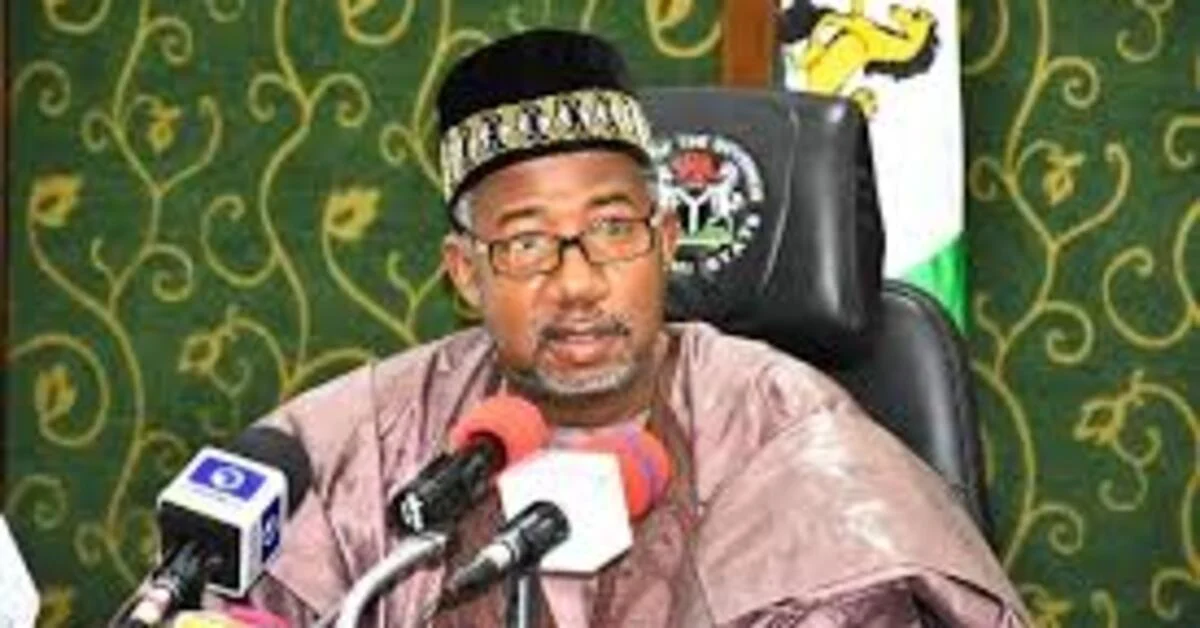
In a measured response to the raging political inferno in Rivers State, PDP Governors’ Forum (PDPGF) has advised President Tinubu to reverse the state of emergency. The Chairman, Gov. Bala Mohammed of Bauchi State, who made the call in a statement on Wednesday in Abuja, described the declaration of emergency rule in Rivers as unconstitutional. Mohammed stated that it was illegal and unacceptable for the president to suspend democratically elected officials of a state. “The PDPGF has noted with concern the suspension of democratically elected officials in Rivers by the president. We state categorically that this is a threat to democracy. “This is a premeditated attack on Rivers, the PDP and other opposition parties in the country. It is a great threat to democracy, and an ill wind that will blow no one any good. “It is a dangerous course of action that will not only endanger our hard earned democracy, but deepen crisis in the country, ” the statement read in parts. The PDPGF chairman further said that the president’s action would exacerbate the crises in the nation, deepen mistrust, elevate security threats, and destroy the economy. In a related development, the Nigerian Bar Association (NBA) has described the emergency rule declaration in Rivers as unconstitutional. The President, Mazi Afam Osigwe, said in a statement on Wednesday that declaration of emergency rule remained an extraordinary measure that must be invoked strictly within constitutional limits. “The NBA affirms its commitment to upholding the constitution, defending democratic governance, and ensuring that the rule of law prevails in Nigeria. “The removal of elected officials under the pretext of emergency rule is unconstitutional and unacceptable,” he said. He urged Tinubu to reverse the declaration in the interest of democracy and the wellbeing of Rivers people.
Bauchi Gov Challenges Tinubu To Rethink Tax Reform Bills

Governor Bala Mohammed of Bauchi State has raised concerns over the Federal Government’s proposed tax reforms, warning that they could worsen economic challenges, particularly in Northern Nigeria. Speaking during a meeting with the Christian community in Bauchi, the governor criticized the approach taken by President Bola Tinubu’s administration, calling for policies that align with the needs of the people. He argued that the reforms risk creating financial strain in the region, making it difficult to fund essential projects and pay salaries. READ ALSO: Tinubu is a Leader Not Listening He urged leaders to be more responsive to public feedback and cautioned against policies perceived as imposing hardship. “We are calling on the presidency and the Federal Government to change their style. Whenever a policy is not popular, they should listen to the people. They should not be arrogant and think that whatever they bring must be. This is not an oligarchy; this is not a military rule; they must listen to the people, and that is what makes a good leader. “And we pledge to be loyal to them, but anything they are doing contrary to that, they are calling for anarchy; they are calling for intransigence, and it is unacceptable. There is a lot of wahala; we must work together across party lines and across the tiers of government to provide succour and solace to the Nigerian people,” he said. Governor Mohammed also acknowledged the support of the Christian community in Bauchi for his administration, emphasizing the need for unity and fairness in governance across religious and political divides. He pledged continued efforts to address the needs of all residents, irrespective of their backgrounds.
Your policies not yielding desired results– Bauchi gov tells Tinubu

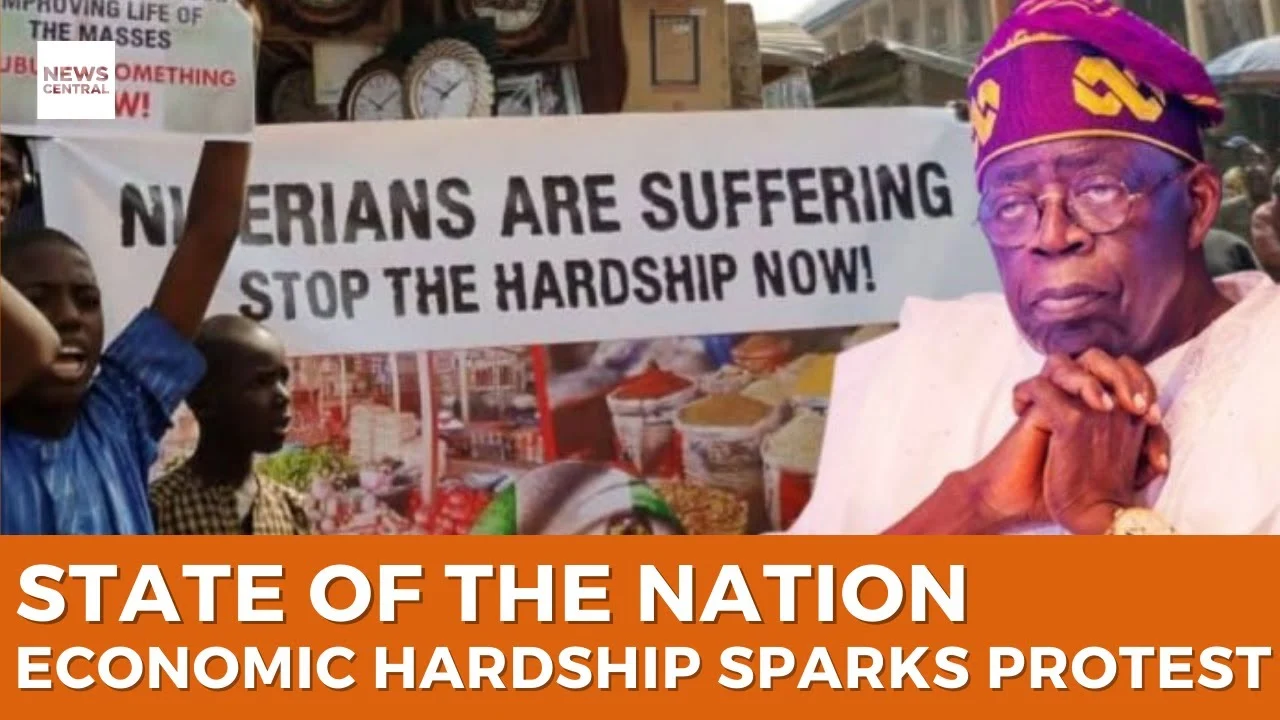
The Governor of Bauchi State, Bala Mohammed, has criticised the policies of the Federal Government, which have led to increased hardship in the country. Speaking at the launch of the Nigeria Development Update report by the World Bank in Abuja on Thursday, he said that the economic policies of the President Bola Tinubu-led administration were not yielding the desired results. Mohammed also said that the revenues available to state governments are not enough to address the challenges in states. He said, “We should go back to the basics. Nigerians are not enjoying the regime at this time across board, not only the federal government, including the state and local governments. Therefore, the onus rests on you, the finance and the managers of the economy. “We need to come up with a budget programme with economic policies that will reduce hardship. The money that we are sharing is not enough. The report spoke about employment, wages, and how many per cent of Nigerians are even employed. Most of our people live in the informal sector; we should look at how we can make them self-employed. “The purchasing power has dwindled, these policies are not working and you know that.” While introducing the new report, Alex Sienaert, lead economist of the World Bank in Nigeria, said that to achieve the desired growth in the nation’s economy, the recently introduced macroeconomic stabilisation reforms should be backed up by creating productive jobs. Also, the World Bank Country Director for Nigeria, Dr. Ndiame Diop, said that while the reforms may be challenging, they are crucial for the nation’s long-term stability. He added that opposing or reversing these reforms would be detrimental to the development of the country.