Threat of military rule looms in Africa – CDD

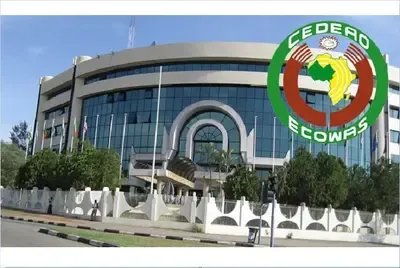
A Civil Society Organisation, the Centre for Democracy and Development (CDD-West Africa) has expressed concern over the looming threat and normalisation of military rule in West and Central Africa. The organisation warned that the trend posed a major threat to democracy, stability and regional integration, especially with the rise of ‘military populism’ in Francophone Africa. Dr Dauda Garuba, Director of CDD-West Africa, stated this in Abuja on Wednesday while releasing the organisation’s background paper titled “Militarism Reloaded: The Rise of Military Populism in Francophone West Africa”. According to him, recent coups in Mali, Burkina Faso, Niger and Guinea are not simply reversions to old authoritarian patterns but expressions of a more sophisticated, ideologically packaged form of militarism. “Far from being isolated disruptions, these military interventions present themselves as national corrections, cloaked in the language of sovereignty, anti-imperial resistance, and Pan-African revivalism. “But beneath the surface of patriotic slogans and digital virality lies a strategic attempt to consolidate power, silence dissent, delay transitions, and reconfigure what legitimacy means in postcolonial Africa,” Garuba said. He explained that the appeal of military populism is rooted in public frustration with democratic failures, insecurity and inequality. However, he warned that its allure was deceptive as regimes increasingly postponed elections, suspended constitutions, and curtailed civil society under the guise of national security. Read Also: Contextualizing the lovefest between Presidents Lula of Brazil and Tinubu Garuba added that in the Sahelian states of Burkina Faso, Mali and Niger, military juntas were now manipulating digital platforms to spread disinformation and mobilise support. He said the regimes also cultivate parallel narratives in which the army is portrayed as the “saviour of the state”. He stressed that this evolving phenomenon carries serious regional implications. “ECOWAS, once a bulwark of democratic norms, now struggles to enforce its own red lines. “The weakening of regional institutions, coupled with a geopolitical pivot away from traditional allies, threatens to undermine decades of democratic progress across West Africa,” he said. According to him, CDD-West Africa, in partnership with regional organisations, will over the next eight months conduct in-depth research on how military populism spreads and is sustained. He said the centre would monitor digital propaganda, analyse ideological framing, and assess the threats posed to elections, civic space and regional cohesion. “The goal is to generate evidence-based insights and practical recommendations to safeguard West Africa’s information environment and strengthen democratic resilience,” he added. Garuba urged African governments, civil society, regional bodies and citizens not to mistake military populism for genuine reform. “Coups are not answers to civilian failures; they are only accelerators of fragility. The time to act is now. “It is essential to underscore this before narratives harden, institutions crumble, and another generation of citizens grow up believing that the gun, not the vote, is the legitimate path to power in Africa,” he said.
WAEC Introduces Resit Exams for WASSCE Candidates

The West African Examinations Council (WAEC) has officially introduced a resit option for candidates wishing to retake their West African Senior Secondary Certificate Examinations (WASSCE). This initiative provides students with the chance to resit their exams as early as January and February 2025. WAEC’s Head of Public Affairs, John Kapi, confirmed the development during an appearance on JoyNews’ AM Show in Ghana on Sunday. READ ALSO: No plan to Destroy Uncollected PVCs – INEC He explained that students who need to resit one or more subjects can register online through the WAEC website or at accredited internet cafes until January 8, 2025. The resit exams are scheduled to take place from January 24 to February 15, 2025. Kapi also noted that students whose results had been cancelled would be eligible to sit for the WASSCE PC1 exams, provided they have not been banned due to exam malpractice. This new resit option gives students a valuable opportunity to improve their grades and meet the necessary requirements for further academic or professional endeavors.
Ribadu Denies Foreign Military Presence in Nigeria Amid Niger Tensions

Nuhu Ribadu, Nigeria’s National Security Adviser, has dismissed accusations by Nigerien Abdoulrahamane Tchiani that foreign military forces, including those from France, are operating in Nigeria. Ribadu’s comments came in response to allegations made by Tchiani, who claimed that Nigeria was collaborating with France to destabilize Niger. This has added to the rising tensions between the two nations, particularly after Niger, along with Mali and Burkina Faso, chose to leave the Economic Community of West African States (ECOWAS). READ ALSO: Air Peace Airfares: Keyamo Lashes Out at FCCPC Speaking in an interview with BBC Hausa, Ribadu refuted Tchiani’s claims, stating there are no foreign military installations or troops in Nigeria. He encouraged journalists to visit the locations mentioned by the Nigerien leader and speak with local residents to verify the absence of any foreign military presence. The National Security Adviser emphasized that the real issue facing both countries is the common threat posed by terrorists, particularly the insurgent group Lakurawa, which has been wreaking havoc in the region. Ribadu further expressed that instead of focusing on accusations, both nations should collaborate to address security concerns that affect their shared borders. He also stressed the long-standing relationship between Nigeria and Niger, describing the people of both countries as “brothers” and calling for unity in tackling mutual challenges. Ribadu reassured that Nigeria would continue to work with Niger in the spirit of regional cooperation and development. The diplomatic tension between Nigeria and Niger follows the latter’s decision to leave ECOWAS, which has led to a broader political and economic rift. Despite the disputes, Ribadu’s statements reflect Nigeria’s commitment to strengthening ties with its neighbors in West Africa to combat terrorism and foster regional stability.
ECOWAS Departure: Burkina Faso launches biometric passport

In a move that indicates further severance of relations with the regional body, Burkina Faso unveil a new generation biometric passport.
ECOWAS President condemns non enforcement of its court judgments

The ECOWAS Commission President, Omar Touray, has condemned the non enforcement of its judgements among the member statess. Touray insisted that the enforcement ofjudgmentss of the Community Court has remained a major issue in the effective delivery of the mandate and responsibility of the judicial institution to the community citizens. Speaking at the ECOWAS Judicial Council meeting, in Abuja Tuesday, Touray noted that the supplementary protocol relating to the ECOWAS Community Court provides a role for the national judicial institutions in the enforcement of these judgements. “I believe that it is time for deliberate action to be taken to address this challenge. “In this era, where instability and insecurity are overwhelming our community, the role of the justice sector is crucial in conflict prevention, through the promotion and defence of the rule of law and human rights. He stressed the need to institutionalise a more regular meeting of the Judicial Council to ensure that the activities of the Court benefit from theregulary review and guidance of the Council. The ECOWAS Commission President noted that the Community Court has become an exemplary institution, which is being emulated by other regional courts in the continent, adding that the Court has witnessed the transition of judges over the years: the recruitment of Judges of high quality and standards to preside over the affairs of the Court. The 2-day ECOWAS judicial council conference on enforcemenot of ECOWAS court judgments was declared open by the Chief Justice of Nigeria, Justice Olukayode Ariwoola. The meetin, which started on Tuesday, and had in attendance, the Chief Justices of member countries of ECOWA, is presided over by Justice Ariwoola, the Chairman of the ECOWAS Judicial Council. In an opening address, Justice Ariwoola recalled that in June 2006, the Authority of Heads of State and Government of ECOWAS decided to establish a Judicial Council of the Community with the responsibility for recruiting judges for the Community Court and handling disciplinary matters of the judges, including the functioning of the Court. Justice Ariwoola said the ECOWAS Judicial Council, though not as widely known as some other bodies, plays a crucial role in maintaining the rule of law and justice within ourregionn. “The Judicial Council serves as the guardian of the rule of law and the protector of human rights within the region, he said. In addition, the ECOWAS Judicial Council plays a crucial role in the resolution of disputes among member states, ensuring that conflicts are resolved peacefully and in accordance with the rule of law. The objective of this starutory meeting of ECOWas Judicial Council is to review the legal framework of the Community Judicial Council, look deeply on our responsibilitie, and suggest areas for improvement. The ECOWAS Judicial Council plays a crucial role in the resolution of disputes among memberstatess, ensuring that conflicts are resolved in peacefully and in accordance with the rule of law. “It acts as a mediator and facilitator in resolving disputes, promoting dialogue and reconciliation among member states. “By doing so, the Council contributes to the maintenance of peace and stability in the regio,n” Justice Ariwoola stated. The ECOWAS Judicial Council Chairman hinted that the objective of the Statutory meeting of ECOWAS Judicial Council is to review the legal framework of the Community Judicial Council, look deeply on our responsibilities and suggest areas for improvement. “No doubt, the ECOWAS Judicial Council is an indispensable institution in the West African region. “Through its numerous functions, the Council strives to ensure the independence and integrity of the judiciary, protect human rights, interpret regional laws, and resolve disputes among member states. “As we move forward, it is crucial to support and strengthen the ECOWAS Judicial Council, as it continues to play vital role in our collective journey towards a more just, peaceful, and integrated West Africa” Justice Ariwoola stated.
Ex-President Koroma, arrives Nigeria under an ECOWAS-brokered deal

Sierra Leone’s former President Ernest Bai Koroma, facing treason charges, has arrived in Nigeria under an ECOWAS-brokered deal, ostensibly labeled as a “medical trip” by the Sierra Leone government. Originally scheduled for January 4th, the departure was delayed as President Julius Maada Bio faced internal opposition, fearing ECOWAS interference. The political unrest in Sierra Leone escalated after the disputed June 2023 presidential election, culminating in an alleged coup attempt on November 26th, attributed to opposition figures, including Koroma. Despite his denial of involvement, Koroma was placed under house arrest, later charged with treason, and taken to court on January 3rd. During the ECOWAS summit in December 2023, President Bio sought mediation, leading to a delegation, including Presidents Nana Akufo-Addo and Macky Sall, intervening in Freetown. President Bio insisted on Koroma’s exile for peace, similar to his asylum granted by the U.S. in 1996. Koroma initially resisted, but ECOWAS persuasion led to an agreement, contingent on dropping charges, retaining entitlements, and Nigeria as the host country. The Sierra Leone government introduced the “medical trip” narrative to save face, masking Bio’s initiation of the plan. Uncertainty looms over ECOWAS considering Bio’s request for a stabilization force. The alleged coup’s trial, involving 15 of Koroma’s bodyguards, gains significance with his exit. Sierra Leone, marked by ethnic division and post-civil war recovery, faces a critical juncture as it navigates these political challenges.
ECOWAS Condemns Plot To Truncate Peace In Sierra Leone

*As Sierra Reschedules Flights For Departing Airlines The Economic Community of West African States (ECOWAS), has condemned the plot by some individuals to disturb the peace of Sierra Leonians. The condemnation is contained in a statement issued by ECOWAS on Sunday in Abuja. “The bloc has learnt, with utter disgust, a plot by certain individuals to acquire arms and disturb the peace and constitutional order in Sierra Leone. “ECOWAS condemns this act and calls for the arrest and prosecution of everyone involved in the illegality. “The bloc has always maintained its zero-tolerance for unconstitutional change of government. “We want to reaffirm our commitment to supporting the government and the people of Sierra Leone’s quest to deepen democracy and good governance by consolidating peace and security so as to foster socio-economic development,” it stated. The Sierra Leonean government has declared a 24-hours nationwide curfew in a proactive step to ensure that the peace is not tampered with. Meanwhile, the Sierra Leone Civil Aviation Authority (SLCAA) has imposed a rescheduling of flights for departing airlines. In a statement on Sunday by the Management of SLCAA, the authority said the rescheduling of the flights is in view of the nationwide curfew imposed by the government. “SLCAA is aware that passengers intending to depart from and arrive at the Freetown International Airport (FNA) on flights scheduled for today, Sunday Nov. 26, 2023 are affected by the nationwide curfew declared by the state and currently in force,” the authority said. SLCAA urged all airlines to reschedule departing passengers on the next available flights after the curfew is lifted, “as SLCAA airspace remains open.” “While we appreciate the inconvenience this may cause, we urge all to respect the curfew and follow directives of the state security forces. “The SLCAA assured the airlines and the wilder aviation industry of its unflinching support,” the authority added in the statement.
ECOWAS rejects Niger Junta’s 3-year transition plan

The transition plan presented by the Niger junta for a three-year period to presumably establish a democratic government has been unequivocally dismissed by the Economic Community of West African States (ECOWAS). General Abdourahamane Tchiani, leader of the Niger junta, had said in a televised broadcast on Saturday night that the army will hand over power to the civilian government within the next three years. According to him, his ambition is not to confiscate power but help the country out of its current conundrum. “Our ambition is not to confiscate power,” General Abdourahamane Tiani emphasized in a televised address. He further stated, “Any transition of power would not go beyond three years.” However, in a contrary view, the ECOWAS Commissioner for Political Affairs, Amb. Abdel-Fatau Musah, who made an appearance on Channels Television on Monday, voiced the West African bloc’s strong objection to the proposal. “This offer is completely unacceptable, and ECOWAS insists on the restoration of constitutional order as quickly as possible,” Amb. Musah stated firmly, emphasizing that the commission had prior experience dealing with similar maneuvers by military regimes. He referred to the situation in Niger, highlighting the creation of the “new” constitution in 2010, which was subsequently revised in 2017. Musah posed a pointed question, “What dramatic change do you need in the governance architecture of the country to require three years to experiment with something else? Expressing skepticism about the junta’s intentions, Musah remarked, “This is like subterfuge to throw ECOWAS off-course and then do whatever they want.” Drawing comparisons, he pointed out that some other West African countries under military rule had been given about three years, yet they were now “negotiating” with their populations for an additional 18 months. Putting the timeframe into perspective, he highlighted the fact that even a democratically elected president in Nigeria only has four years in office. Musah concluded by questioning the legitimacy of the junta’s decision to start with a three-year period and implying that it could extend beyond that. ECOWAS’ response underscores its unwavering commitment to democratic governance and stability in the region, raising concerns about the motives behind the proposed three-year transition plan.
Niger Coup: Tchiani asserts defensive stance against ECOWAS

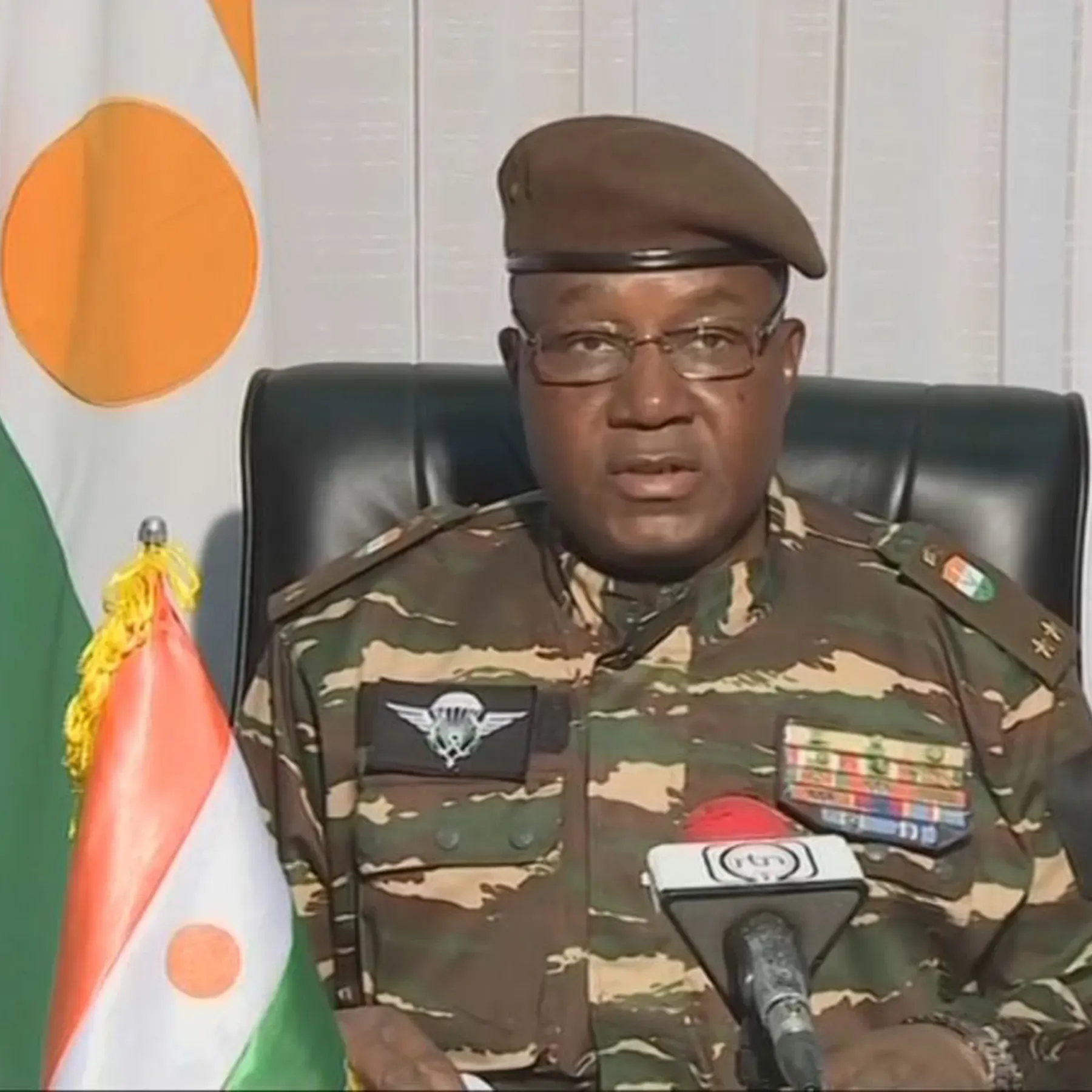
In the wake of the recent coup in Niger, General Abdourahamane Tchiani, the leader of the mutineers who assumed control, emphasized his nation’s reluctance for conflict but readiness to safeguard itself when necessary. Tchiani conveyed that both the military and the populace of Niger are averse to the prospects of war, yet they remain steadfast in their determination to counter any signs of aggression, as reported by Al Jazeera. The head of the junta underscored the unawareness of member states within the Economic Community of West African States (ECOWAS) regarding Niger’s pivotal role in preventing regional destabilization amidst a surge in terrorist activities. He expressed skepticism towards the imposed sanctions on his country, suggesting that they aimed to exert pressure on the rebels rather than resolve the ongoing crisis. Tchiani further clarified that the insurgents’ objective isn’t to seize power but to facilitate a solution that aligns with the best interests of the populace. The coup leader disclosed that an ECOWAS delegation visited Niger’s capital and held discussions both with the deposed President Mohamed Bazoum, who was removed and detained by his own guard led by Tchiani, and with Tchiani himself. Since the coup’s occurrence on July 26, ECOWAS has responded by suspending financial aid to Niger, freezing rebel-held assets, and imposing travel restrictions on flights to and from the nation. A subsequent summit in Nigeria’s Abuja resulted in ECOWAS leaders agreeing to ready a standby force to potentially compel the Nigerien military to reinstate Bazoum. On a recent note, ECOWAS Commissioner for Political Affairs, Abdel-Fatau Musah, indicated that the general staff chiefs within ECOWAS have set a date for an undisclosed military intervention. This decision comes as tensions and uncertainties persist within Niger’s political landscape. General Abdourahamane Tchiani’s statements echo a stance against war while highlighting the nation’s resolve to defend itself against aggression, as Niger navigates through these challenging times of political transition and unrest.
African Union supports ECOWAS’ military response to Niger coup

The African Union (AU) has expressed its endorsement of the proposed military intervention led by the Economic Community of West African States (ECOWAS) against the coup perpetrators in Niger. Moussa Faki Mahamat, the Chairperson of the AU, conveyed his solidarity with ECOWAS’ stance against the Niger Republic coup. Following a pivotal summit held in Abuja, Nigeria’s capital on Thursday, ECOWAS directed its military leaders to establish a rapid-response force for potential deployment to Niger. The organization emphasized the importance of prioritizing peaceful means to address the crisis. Mahamat reiterated his call for the immediate release of ousted Nigerien President Mohamed Bazoum and all individuals from his administration and family. He condemned the treatment of a democratically elected leader and expressed concern about Bazoum’s reportedly deteriorating detention conditions. The upheaval occurred on July 26 when Niger’s presidential guard removed Bazoum from power. Subsequently, the commander of the elite unit, Abdourahamane Tchiani, seized control and dissolved the constitution. Bazoum and his family have remained confined to their residence for over two weeks. Niger had been a noteworthy exception within the Sahel region’s “coup belt,” maintaining a democratic government and serving as a vital ally to the West in the fight against regional Islamist extremists. The international community has unequivocally criticized the coup and urged the coup leaders to restore order and transfer authority back to the democratically elected administration.