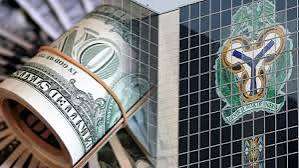
CBN sells $10,000 to BDCs at N1,021 per dollar

The Central Bank of Nigeria, CBN, has approved the sale of an additional 10,000 dollars to 1,583 eligible Bureaux De Change, BDC, operators in the country to meet the demands of the market. The CBN’s Director, Trade and Exchange Department, Dr Hassan Mahmud, made this known in a letter addressed to the President, Association of Bureau De Change Operators of Nigeria, ABCON, on Tuesday in Abuja. Mahmud said that the CBN would sell to the BDCs at the rate of N1,021 to a dollar. “The BDCs are, in turn, to sell to eligible end users at a spread of not more than 1.5 per cent above the purchase price,” he said. He directed all eligible BDCs to commence payment of Naira deposit to some designated CBN Naira deposit account numbers. “All BDCs are advised to continue to abide by the rules and conditions as stipulated in our earlier operational guidelines,” he added. Recall that on April 8, the apex bank approved the sale of 10,000 dollars to 1,588 eligible BDC operators at the rate of N1,101 to the dollar amid efforts to stabilize the Naira at the FX market. The development comes amid the recent drop in the value of the Naira against the dollar. From last month to date, the Naira has depreciated four times.

Naira Hits All-Time N1065/$ Low, As BDC Operators Seek Urgent Reforms

Naira To Reach ‘Fair Value’ Of N750/$ By Year’s End – FG

The nation’s currency, the Naira, experienced a historic low on Wednesday in the parallel market, with the unofficial exchange rate reaching an unprecedented N1065 to the US dollar. On Tuesday, the Naira closed at N1060 to the dollar on the unofficial market, driven by a shortage of dollars, leading to a rapid depreciation of the currency. Additionally, the Naira weakened by 8.9 percent to N848.12 against the dollar in the official Investors and Exporters (I&E) forex market on Tuesday, according to data from FMDQ. Foreign exchange trades took place within the range of N700 to N981 per dollar, with the dollar’s trading volume surging to $133 million, according to an investment note by the Lagos-based investment banking firm Chapel Hill. The Central Bank of Nigeria (CBN) had relaxed foreign exchange controls in mid-June following criticism of monetary policy measures by President Bola Tinubu and a pledge to end the multiple exchange rate regime. The official rate briefly aligned with the parallel market, plunging 40 percent, but the spread began to widen again. Until Tuesday, the official rate remained near N800 to the dollar, while the street rate surpassed N1,000 to a dollar. Foreign exchange operators attributed the Naira’s depreciation to persistent illiquidity in the market in the absence of central bank intervention. The widening premium between the official rate and the black market is a sign that the exchange rate has not found a clearing price. The Chairman of the Association of Bureau de Change Operators in Nigeria (ABCON), Aminu Gwadabe, explained that the Naira’s rapid devaluation is due to significant liquidity driving up demand for unavailable dollars in the market. He also pointed to uncertainties, loss of public and international confidence in the economy, rising inflation, and a low interbank market interest rate, which have reduced the appeal for alternative investments. Gwadabe recommended abolishing the I&E window and allowing willing buyers and sellers to dictate price mechanisms with legislative backing.

Allow us access banks’ autonomous window, BDCs appeal to CBN

Allow us access banks’ autonomous window, BDCs appeal to CBN

President of the Association of Bureau De Change Operators of Nigeria (ABCON), Aminu Gwadebe has urged the Central Bank of Nigeria (CBN) to immediately leverage the BDCs by allowing them access banks’ autonomous window and agency of international money transfer operators. This, he said, will allow them to provide liquidity in the retail end of the foreign exchange market and help stop the free fall of the Naira occasioned by forex scarcity in the country. Gwadebe also urged the CBN to reinstate its 2015 policy guidelines which allow the BDCs to effectively provide liquidity in the retail end of the market through the forex windows. The 2015 policy guidelines allow the BDC operators to access foreign exchange from the autonomous window of the commercial banks as well as act as agents for diaspora remittances. Gwadebe in his statement said BDCs are effective tools of the transmission mechanism of the CBN. “I quickly want to advise the apex bank to leverage on the BDCs and allow them access banks’ autonomous window and agency of international money transfer operators. Gwadebe, who accused some of the International Money Transfer Organizations (IMTOs) of diverting diaspora remittances, said the commercial banks revealed that they don’t even see most of these remittances. “Imagine you are the IMTO and then you are the one that will pay the beneficiary the naira, invariably, then I as well just give you the naira without paying you the dollar.’’ “Even the banks have been saying that they are not seeing the diaspora remittances that the fintechs have taken over. We had a meeting with the banks where we even tried to bring up the issue of diaspora remittances so that we can harness it and bring liquidity, but they said they don’t see it. That’s the truth of the matter, a lot of unlicensed online firms are in the process.’’ The black market rate fell to as low as N950/$1 last week, opening up about N200 disparity with the I&E window as demand continued to outstrip supply. Meanwhile, the official rate averaged N765/$1.