National Grid Collapses Again, Triggering Nationwide Blackout

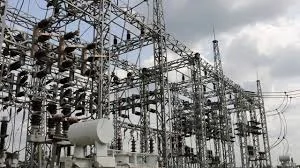
Nigeria’s national electricity grid collapsed on Saturday, marking the third failure in just one week.  The grid recorded zero megawatts as of 9:10 a.m., leaving the country in darkness once more.  This latest collapse brings the total number of grid failures to eight in 2024, with earlier outages occurring in February, March, April, July, and August. The recurring power disruptions have been linked to outdated infrastructure. Nigeria’s power minister, Adebayo Adelabu, has stressed the need for improvements in power systems, including a push for decentralisation, allowing multiple regional grids to operate independently.  This would reduce the widespread impact of failures.  Despite earlier reports of a decline in system disturbances, the national grid’s failures remain a pressing issue.

NERC Sanctions AEDC for Misapplying New Electricity Tariff 

The Nigerian Electricity Regulatory Commission (NERC) has taken action against the Abuja Electricity Distribution Company (AEDC) for incorrectly implementing the new electricity tariffs in the nation’s capital. In response to numerous complaints from Abuja residents, NERC has fined AEDC a sum of N200 million and instructed the company to refund affected customers who were wrongly billed. According to NERC, the tariff adjustment was intended for customers classified under Band A, who typically receive approximately 20 hours of electricity per day. However, residents in other bands were also subjected to the increased charges when attempting to purchase electricity units. Although AEDC has issued an apology and attributed the situation to an error, NERC’s sanctions underscore the importance of accurate billing practices and consumer protection in the electricity sector.

Subsidy: FG provides solar alternative power to Nigerians

Subsidy: FG provides solar alternative power to Nigerians

The Managing Director/Chief Executive Officer of Rural Electrification Agency (REA), Engr. Ahmad Salihijo Ahmad on Friday, said the Federal Government is providing solar energy alternatives to Nigerians in a bid to cushion the effect of subsidy removal on businesses and households. Ahmad, who was speaking after the inspection of REA’s Energizing Economies Initiative (EEI) project in Ayegbaju International Market, Osogbo, said the Federal Government, through REA, is setting up alternative solar energy systems to cater to electricity-underserved Nigerians. He also explained that the concept of the EEI project was to provide alternative and clean solar energy to Nigerians, so as to reduce or abolish the use of carbon monoxide petrol-powered generators. “We came to our Zonal office in Osun and we decided to do a short inspection of the Energizing Economies Initiative (EEI) that we have in Ayegbaju International Market, Osogbo. “We came to see the progress of the work and we are very happy with what we have seen here today. “The concept is to see how we can work with the market association and most importantly, work with the state government to scale up solar power supply to the whole market,” he said. He said the construction of the solar system at the Ayegbaju Market is about 95 percent completed and that the power generation of the system is targeted at 30kwp. He said at the pilot phase now, the solar power electricity is being test run on 48 shops and that in the long run, it would be extended to all the shops in the market. He said with the interaction he had with the leadership of the market, shop owners are interested in the solar power project, as an alternative power source to run their operations/shops. “What we have seen is the tremendous interest of the market people in the solar energy alternative, especially using it to replace petrol generators, in the face of subsidy removal,” he said. He said as a follow up to the inspection and interaction with the market people, he would meet and work with developers, Osun State Government and even the market association, to draw a roadmap of how the project would be sustained and scaled up to cover the entire market. He said with the solar system initiative, REA has been able to demonstrate a concept of solar power generation and supply, and that they can now bring in and work with other stakeholders to scale it up to the demand of Nigerians who are unserved and undeserved with electricity. “Over 148 sites have been audited directly by REA,” saying “support from partners, such as E-guide and Rockefeller Foundation, will enhance the Energizing Economies Initiative (EEI) project. “It is from these sites that Ayegbaju International Market, Osogbo, and Abubakar Gumi Market, Kaduna, were selected to deliver the next phase of EEI projects,” he said. He said they are taking into account the lessons learned from phase zero and one of the project initiatives and would use it as a model for sustainable and collaborative projects with state governments and Electricity Distribution Companies (DisCos). “Once the solar system construction is completed, the State Governments or DisCos, developers, and REA will be able to sit with the Market Associations to sign a multilateral agreement which ensures the long-term viability of the project while ensuring energy access to the markets. “These projects will also provide the much-needed relief to businesses in these markets by reducing their dependence on petrol generators while increasing the penetration of renewable energy sources,” he said.