Contemptous rulers and docile people

Tinubu’s vague overseas trips reveal a presidency more obsessed with image than accountability, leaving Nigerians in the dark while crises rage at home.

From Secrecy to Openness: Why 2025 Actually Meant Something for NNPCL

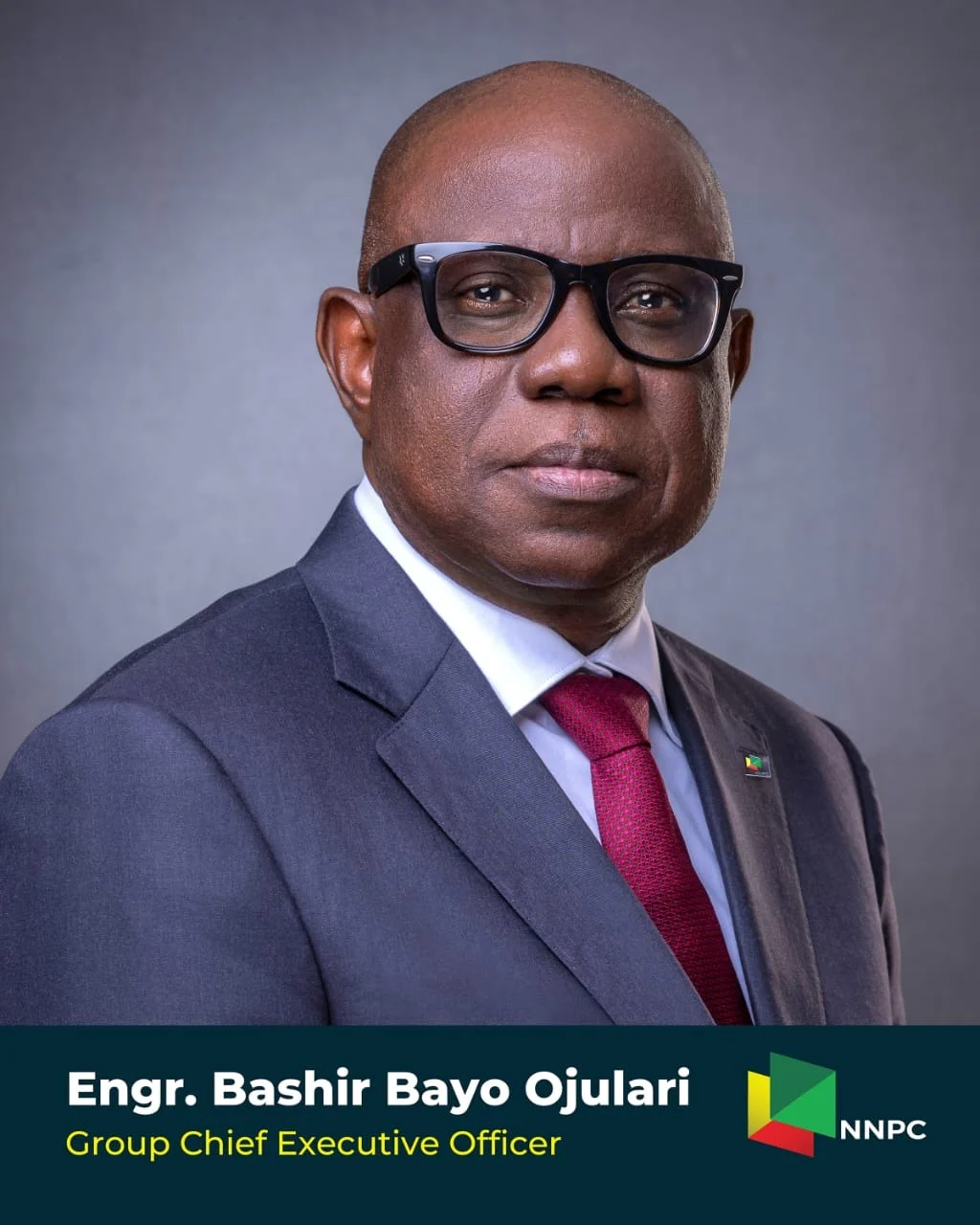
Engr. Bashir Bayo Ojulari, NNPCL Group Chief Executive Officer (GCEO)

In 2025, NNPCL didn’t become perfect—it became more honest. After years of secrecy, the company began opening its books, stabilizing production, and making tougher, commercially driven choices. Profits grew, gas projects advanced, and fuel prices became less chaotic. For once, Nigerians weren’t asked for blind trust, but given data to examine.

Imo Poll: Labour Party Demands Voiding Votes In Violence-Affected Polling Units

Imo Poll: Labour Party Demands Voiding Votes In Violence-Affected Polling Units

Athan Achonu, the Labour Party’s gubernatorial candidate in Imo State, has urged the Independent National Electoral Commission (INEC) to cancel votes from polling units affected by violence. Speaking after casting his vote in Umunumo hamlet, Ehime Mbano Local Government Area, Achonu emphasized the need for transparency in conducting elections, stating that canceling affected units is the only viable solution. Expressing concern over reported violence, he decried the assault on party agents and characterized the situation as a departure from democratic norms, vowing to resist such disruptions for the sake of upholding true democracy and ensuring good governance. “There is no other alternative than to cancel it so that every person will come there and watch it conducted. “They beat up so many of our agents. We are sad, we are going to upload some of their pictures. This is crazy, this is what our democracy has come to. “But we are resisting. Can’t you see the people here? They will not allow it. I hope it is the same thing going on everywhere so that we can have proper democracy and bring in good governance,” he stated.

NNPCL Working With NEITI, Others To Reconcile NEITI’s 2021 Report

NNPCL Working With NEITI, Others To Reconcile NEITI’s 2021 Report

The Nigerian National Petroleum Company Limited (NNPCL) will continue to collaborate with the Nigeria Extractive Industries Transparency Initiative (NEITI) and all relevant stakeholders in the Reconciliation Committee set up by President Bola Tinubu to investigate, review and reconcile the financial records on alleged indebtedness to the Federation by both NNPC Limited and Federation Accounts Allocation Committee, FAAC. A statement signed by Chief Corporate Communications Officer NNPC Limited, Olufemi O. Soneye, on Monday night in Abuja, said, this comes on the heels of calls by a non-governmental organisation for a probe of several monies allegedly owed to the Federation by the national oil company. NNPC Ltd states that the claims by the NGO were baseless, considering the fact that NEITI itself had dismissed many of the allegations in the said 2021 report, following a series of engagements with NNPC Ltd. NNPC Ltd had severally explained that at the outset of President Bola Ahmed Tinubu’s administration, it was made to sell Premium Motor Spirit (PMS) imported into the country at one third of its value, a development that gave rise to an average of N400bn monthly subsidy bill, which subsequently put a strain on its revenues and finances. NNPC Ltd further stated “that subsidy bill accumulated to N3.736 trillion as of May 31st 2023.” The oil company said that the non-payment of NNPCL’s share of upstream joint venture gas supplied to the government-owned plants had led to the accumulation of indebtedness of N174.07 billion by the Federation. “Similarly, the receivables due from the federation to NNPC Exploration & Production Limited (NEPL) as of 31st May 2023 amount to $712million (equivalent to N309.07 billion at N434.08/US$1) for revenues not remitted to NEPL but paid into the Federation account. “While the Federation owed NNPCL the sum of N 4.207 trillion as net indebtedness, the Company was only indebted to the Federation in the sum of N2.852 trillion, made up mainly of outstanding Good and Valuable Consideration (GVC) in respect of government upstream divestments, royalties and Petroleum Profit taxes (PPT). “We would like to also use this opportunity to clarify that over the years, our relationship with NEITI has been very cordial, as seen in August 2020 when we became an EITI supporting company in 2020, joining a group of over 65 extractives companies, state-owned enterprises (SOEs), commodity traders, financial institutions and industry partners committed to observing the EITI’s supporting company expectations. “Indeed, aside being a signatory to several EITI’s global ethics and standards, NNPC Ltd had on the sidelines of the United Nation’s General Assembly (UNGA) in Washington DC, in September this year, signed up to the United Nations Global Compact on human rights, labour, environment, and anti-corruption, thereby becoming the first state-owned oil company to join the global initiative,” it said.  The state oil company averred that it’s book remains open as it remain committed to delivering value to Nigerians with integrity and as espoused in our principles of Transparency, Accountability and Performance Excellence (TAPE), the bulwark of the Mele Kyari leadership of the company.

Job Racketeering: ICPC begins investigation of bribery allegation against Reps C’ttee

Job Racketeering: ICPC begins investigation of bribery allegation against Reps C’ttee

The Independent Corrupt Practices and Other Related Offences Commission (ICPC) has commenced investigation into bribery allegations against the House of Representatives Committee on job racketeering and gross mismanagement in government Ministries, Departments and Agencies (MDAs).Azuka Ogugua, spokesperson for ICPC, said this in a statement at the weekend in Abuja.Ogugua said that the ICPC received petitions from an online medium, Premium Times Nigeria; and Yusuf Adamu Gagdi, Chairman of the ad hoc committee, to investigate bribery allegations against the probe panel. The online medium published a story alleging that some members of the committee requested vice chancellors and heads of tertiary institutions to pay certain amounts to an account as bribes. The story also claimed that the account was dedicated for the purpose of giving a soft landing to any institutions’ that would pay the bribe money into it during the investigation. Members of the committee were also said to have engaged in extortion from heads of MDAs, including those of academic institutions. On Thursday, Gagdi had had said the committee wrote to ICPC to investigate the allegations of bribery and extortion against the members of the committee. The chairman said that the committee had written to ICPC to investigate the account number allegedly released to heads of tertiary institutions for payment of the bribe. “I have already written to the ICPC to investigate the account number that was published by an online medium the owner of that account, whether there is any transaction by vice chancellors and rectors of polytechnic in the country.” Gagdi threatened that the committee would take legal action against the online medium over the publication, which aim, he said, was to “blackmail and discredit” the committee. 

Anti-corruption groups demand transparency in investigation of Kano PCACC Chairman

Anti-corruption groups demand transparency in investigation of Kano PCACC Chairman

A coalition of prominent civil society groups dedicated to combating corruption and promoting transparency and accountability is closely monitoring the alleged investigation of Barrister Muhyi Rimingado, Chairman of the Kano State Public Complaints and Anti-Corruption Commission (Kano State PCACC), by the Economic and Financial Crimes Commission (EFCC) and the Code of Conduct Bureau (CCB). The statement, jointly signed by Olanrewaju Suraju of HEDA, Anwalu Musa Rafsanjani of CISLAC, David Ugolor of ANEEJ, Ibrahim M. Zikrullahi of CHRICED, and Muhammed Attah of PRADIN, underscores the coalition’s commitment to tracking developments in this case as they unfold. The coalition expresses concern that this probe follows the PCACC’s inquiry into alleged financial misconduct during the previous administration led by Dr. Abdullahi Umar Ganduje, who currently serves as the National Chairman of the All Progressives Congress (APC). The coalition stands in support of Chairman Muhyi Rimingado, believing that he will emerge unscathed from the investigation. In their official statement, the coalition commends the EFCC and CCB for their efforts to uphold transparency and accountability. They call upon these agencies to conduct their duties with unwavering professionalism and integrity, free from political interference. The statement emphasizes the importance of an impartial and thorough inquiry into recent developments surrounding the investigation of the Kano State Anti-Corruption Commission Chairman. The credibility and reputation of the Kano State PCACC depend on demonstrating transparency and fairness in its internal processes. All parties involved are urged to collaborate closely and adhere strictly to established legal procedures. The anti-corruption groups further call on the Kano State Anti-Corruption Commission, the EFCC, and the CCB to foster a spirit of collaboration in their individual anti-corruption pursuits. Timely cooperation between these agencies is crucial to addressing historical and current allegations of corruption promptly and diligently. By working together, these organizations can significantly contribute to a governance framework in Kano State characterized by transparency and accountability. For these groups, the commitment to eradicating corruption goes beyond mere rhetoric; it represents a shared conviction that eliminating corruption is fundamental to sustainable development, social justice, and the overall well-being of society. The coalition remains optimistic that the involved agencies will uphold the highest standards of professionalism and make substantial contributions to the realization of a corruption-free Kano State while holding former public office holders in the state accountable for their actions before the Kano State Anti-Corruption Commission.

Reps frown at N81.2bn spent by Green Wall Agency to plant trees

Reps to expose culprits behind oil theft in Nigeria

*Expresses displeasure over conflicting financial reports by CBN, OAGF The House of Representatives Ad hoc Committee investigating the utilisation of ecological funds released to the National Agency for the Great Green Wall (NAGGW) has uncovered N81.2 billion allegedly spent to plant 21m trees in 11 states. The investigation is from 2015 till date. Hon.  Isma’ila Dabo, the Chairman of the Committee in Abuja, decried the persistent of environmental challenges in spite of funds put into the programme. He said the funds put by the Federal Government and international partners necessitated the investigation. He said the committee would embark on, on-the-spot assessment tour to all the projects executed under this scheme to ascertain the claims. He said the committee was not out to scandalise any individual or organisation but only to ensure that public funds were utilised for the purpose they were given. “We will not shy away from pointing fingers where necessary, not out of personal animosity but simply in the national interest of our nation.” The 11 states where the trees are planted are: Kebbi, Sokoto, Zamfara, Katsina, Kano, Jigawa, Bauchi, Gombe, Adamawa, Yobe and Borno. The committee expressed displeasure over conflicting financial reports submitted by the Central Bank of Nigeria (CBN) and office of the Accountant General of the Federation (OAGF) to the committee. Piqued by the inability of the agency to substantiate most of the tree planting projects carried out so far, the committee said 80 per cent of trees planted by the agency did not survive. Meanwhile, the documents submitted by the Accountant General of the Federation (AGF), Mrs Oluwatoyin Madein showed that the total sum of N19.378 billion was released from the derivation and Ecology Accounts to the agency from Feb 2019 to date. Responding to questions from the committee, NAGGW Managing Director, Dr Yusuf Bukar, said the Great Green Wall Act was signed by Mr. President in 2015. He said it enabled the agency to implement the Nigerian component of the programme as an initiative of the African Union being implemented in 11 African countries. This according to him, is to address the problem of land degradation, desertification, drought, climate change and livelihood of affected communities. He saud the agency planted 1 million trees in Borno, Yobe and other states, adding that N2.4 billion was released in the first phase and N7.3 billion released in the second phase. He added that the fund accruing into the agency’s account included 15 per cent of the ecological fund for the Great Green Wall, contribution of fund from the natural resources development fund and gifts. Others include loans and grants in aid from national bilateral, multilateral organisations and donors, international and development agencies as well as individuals. He said that the agency often got funds from donor agencies; however, he did not provide relevant documents on the amount received so far.

HEDA writes NNPCL, seeks clarity on $3bn naira stabilisation loan 

HEDA writes NNPCL, seeks clarity on $3bn naira stabilisation loan 

The Human and Environmental Development Agenda (HEDA Resource Centre) has initiated a formal information request to the Nigerian National Petroleum Corporation Limited (NNPCL).  According to Chairman of HEDA Resource Centre, Olanrewaju Suraju, the request pertains to the recent acquisition of a $3 billion emergency crude oil repayment loan. HEDA Resource Centre is a preeminent non-profit organization devoted to championing transparency, accountability, and robust governance in Nigeria, He said, “This action is aligned with the provisions of the Freedom of Information (FoI) Act, 2011, underscoring HEDA’s unwavering dedication to ensuring judicious resource utilization and safeguarding the nation’s interests.” The obtained loan, secured from the African Export-Import Bank (AFRIEXIM), is intended to fortify the Naira and reinforce the foreign exchange market. Concurrently, HEDA acknowledges the potential merits of this endeavor while simultaneously expressing apprehensions about its possible implications for Nigeria’s economy, natural resources, and future prospects. Furthermore, the civil society group is keen to understand the specific oil grades or categories being utilized for the negotiation of the loan; the exchange rate to dollar being employed in the terms of the agreement for the crude oil repayment loan; and providing the quantity of oil that is being sold or used as collateral for this particular transaction. Manifesting its vigilant oversight role in managing public resources, HEDA through its Freedom of Information has presented a series of pertinent inquiries to NNPC, designed to elucidate the ramifications of the $3 billion crude oil repayment loan. The organization’s overarching objective is to acquire a comprehensive comprehension of the motivation behind the deal and its plausible effects on Nigeria’s economic landscape. “As champions of accountability, we firmly believe that these inquiries will serve to illuminate the rationale underpinning the recent loan agreement, along with its potential ramifications for our nation’s economic well-being and overall prosperity,” 

FG’s N5bn Palliative: HEDA wants transparent implementation, monitoring

FG's N5bn Palliative: HEDA wants transparent implementation, monitoring

In response to the recent announcement by the Federal Government to provide N5 billion as financial support to the 36 states, aimed at mitigating the impact of the removal of petrol subsidy, HEDA Resource Centre, has stressed the importance of transparent implementation frameworks and robust strategies to ensure accountability and effective utilization of these funds. The decision to remove petrol subsidy has brought attention to the need for comprehensive and well-defined plans to channel resources for the betterment of the citizenry. HEDA firmly believes that a clear road-map outlining how these funds will be disbursed and monitored is essential to prevent any misuse or mismanagement, diversion or corruption as experienced with previous similar measures like SURE-P amongst others. In light of this, HEDA’s Chairman, Olanrewaju Suraju urged all State governments to put forth detailed implementation strategies that demonstrate their commitment to the responsible allocation of resources. Furthermore, the NGO challenged President Bola Tinubu to take a proactive step towards ensuring the effectiveness and transparency of the financial support initiative from the administrators of the fund. “Transparent budgeting and regular updates on the utilization of the funds will foster public trust but also provide a mechanism for citizens to actively participate in overseeing the progress of projects aimed at easing the impact of the subsidy removal.” “We propose the involvement of institutions like the Economic and Financial Crimes Commission (EFCC), the Nigerian Financial Intelligence Unit (NFIU), and the Independent Corrupt Practices and Other Related Offences Commission (ICPC) to serve as a monitoring and evaluation team for the execution of these projects.” And further charge all stakeholders, community associations, professional groups, religious institutions and artisan/labour unions to actively engage the process and demand transparent and accountable administration of the funds. “This approach will undoubtedly enhance accountability, curb corruption, and enhance the overall impact of the support initiative. We call upon all stakeholders, including government agencies, civil society organizations, and the general public, to collectively ensure that the allocated funds are utilized judiciously and in alignment with the intended goals.

Economic Reforms: BudgiT tasks Tinubu on transparency, accountability

Tinubu To Address Africa Int'l Trade Exhibition At UNGA

BudgiT, a civic tech organization, is advocating for the implementation of a transparency and accountability plan to ensure the fulfillment of President Bola Ahmed Tinubu’s commitments. This call follows President Tinubu’s national broadcast on July 31, 2023, addressing the prevailing economic challenges in the country. During his speech, President Tinubu unveiled various measures to address the economic crisis. Notably, he announced a budget allocation of N75 billion from July 2023 to March 2024 to support 75 promising manufacturing enterprises with N1 billion credit each. These credits would carry a 9 percent interest rate for long-term loans spanning up to 60 months and 12 months for working capital. BudgiT, in a statement signed by its Communications Associate, Nancy Odimegwu, emphasized the importance of transparent execution. The organization highlighted President Tinubu’s commitment to stabilize staple food prices by releasing 200,000 metric tonnes of grains and 225,000 metric tonnes of fertilizer and inputs to farmers. Moreover, President Tinubu outlined plans to bolster Micro, Small, and Medium Enterprises (MSMEs) through an N125 billion investment. This initiative includes allocating N50 billion as a Conditional Grant to support 1 million nano businesses and dedicating N75 billion to assist 100,000 MSMEs and start-ups. Additionally, the introduction of affordable Compressed Natural Gas (CNG)-fueled buses, backed by an N100 billion investment, and collaboration with labour unions to establish a new national minimum wage were outlined in the plan. While acknowledging the substantial effort to navigate the intricacies of the economic crisis arising from fuel subsidy removal, BudgiT stressed that the successful execution of these commitments hinges on transparent planning and robust accountability mechanisms.