Presidential Nominee Rejects Appointment

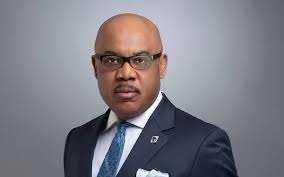
A nominee for membership of the Central Bank of Nigeria Board of Directors, Urum Kalu Eke has declined the offer stating that he was currently engaged in the World Bank. This came to the fore during the Thursday plenary when the Senate began the process for the confirmation of the nominees. President Bola Tinubu had on February 13 forwarded the names of Urum and four others for confirmation as members of the board for the CBN. But during the confirmation, former Governor of Abia State, Senator Orji Kalu,( APC, Abia North ) told the Senate that the person who is his constituent had called him on the phone to reject the offer, noting that it would conflict with his present job as a consultant with the World Bank. He said, “The nominee told me this role would conflict with his job as a consultant to the World Bank, Federal Government agencies and other private companies.” Meanwhile, the Senate has confirmed the appointment of four other members of the Board of Directors of the CBN forwarded to it by the President. Those confirmed by the Senate on Thursday as Directors are Robert Agbede; Ado Yakubu Wanka; Professor Murtala Sabo Sagagi and Mrs. Muslimat Olanike Aliyu.

Senate Summons Wike Over Rising Insecurity

In response to the alarming surge in kidnappings, the Senate has summoned the Federal Capital Territory (FCT) Minister, Nyesom Wike, and Commissioner of Police, Benneth Igwe. This comes after the abduction and tragic murder of Chris Agidy, an aide to Senator Ned Nwoko, in the Galadimawa area of Abuja in November 2023. Senator Nwoko, deeply affected by the incident, sponsored a motion leading to the Senate’s resolution.  The Red Chamber demanded the FCT Minister and the Police Commissioner to provide insights into the escalating kidnapping cases within Nigeria’s capital. Following an intense debate, the Senate mandated the Inspector General of Police, Kayode Egbetokun, to enhance security patrols nationwide.  Additionally, the installation of CCTV cameras along Abuja highways and the establishment of a three-digit emergency number for swift police response were directed. In a bid to bolster emergency services, the Nigerian Communications Commission was tasked to ensure the functionality of dedicated emergency numbers for the police, ambulance, and fire services. Senate President Godswill Akpabio emphasized the seriousness of the matter, stating that both the FCT Minister and the Police Commissioner would meet with the Senate in a closed-door session. The aim is to discuss the measures and strategies in place to combat the growing threat of kidnappings not only in the FCT but across Nigeria. Akpabio concluded, “Incidences like the kidnapping and killing of Senator Nwoko’s Senior Legislative Aide and other residents are worrisome and must be stopped, not only in the FCT but also in Nigeria generally.”

Parliamentary Staff Association Advocates passage of Harmonised Retirement Age Bill

In response to the ongoing legislative discourse surrounding the retirement age for staff of the National Assembly Service, the Parliamentary Staff Association of Nigeria (PASAN), National Assembly Chapter, has issued a statement urging the Senate to consider and pass the Harmonised Retirement Age for Staff of National Assembly Service in Nigeria Bill, 2024. The association highlights the history of the issue, citing the extension of the retirement age to 65 years or 40 years of service by the 8th National Assembly, which was subsequently reversed due to inconsistencies with existing legislation. Following consultations and the introduction of various bills, the current iteration, introduced by the 10th House of Representatives, has gained significant support within the legislative body. Emphasizing the importance of this legislation, the association underscores the need to address the shortage of qualified staff within the Legislative Arm of Government, which has been exacerbated by instability in career progression and adherence to Public Service Rules. They argue that increasing the retirement age will help fill this vacuum and maximize the knowledge and experience of existing staff, while also building the capacity of younger staff members. Furthermore, the association draws parallels with similar legislation in other sectors, such as the Harmonised Retirement Age for Teachers in Nigeria Act, 2022, and the Retirement Age of Staff of Polytechnics and Colleges of Education (Harmonisation) Act, 2012, to highlight the necessity of aligning retirement policies with international best practices. Also, the Parliamentary Staff Association of Nigeria urges the Senate to pass the Harmonised Retirement Age for Staff of National Assembly Service in Nigeria Bill into law, emphasizing its significance in stabilizing and developing capacity within the National Assembly Service, sustaining democracy, and upholding the doctrine of separation of powers.

Senate Advocates Introduction of Food Stamp Program to Combat Food Insecurity

In response to the growing incidence of food insecurity in Nigeria, the Senate has proposed the implementation of a food stamp program akin to what obtains in the United States. The resolution, put forth during Tuesday’s plenary session, emphasizes the need for immediate action to mitigate the impact of various factors contributing to the crisis, including conflicts, climate change, inflation, and currency devaluation. Senator Ali Ndume (APC, Borno South) spearheaded the motion titled, “Introduction of food stamps in Nigeria as an interim measure to address imminent food insecurity in the country,” with co-sponsorship from Senator Saliu Mustapha (APC, Kwara Central). Ndume underscored the urgency of the situation, citing projections from the October 2023 Cadre Harmonisé Analysis indicating that approximately 26.5 million Nigerians could face severe food insecurity in 2024. Highlighting the multifaceted nature of the issue, Ndume pointed to ongoing conflicts, adverse effects of climate change, skyrocketing inflation rates, and the devaluation of the national currency as key drivers of food insecurity. In response to these challenges, the Senate advocated for the adoption of a food stamp program modeled after the successful initiative in the United States. Senator Sani Musa (APC, Niger East) echoed Ndume’s sentiments, drawing parallels between the proposed Nigerian food stamp program and its American counterpart. He emphasized the potential of such a program to provide crucial assistance to vulnerable segments of society. To operationalize this initiative, the Senate directed the Federal Ministry of Agriculture to collaborate with development partners and relevant stakeholders, notably the Lagos Food Bank Initiative. The latter organization gained recognition for its Temporary Food Assistance Programme (TEFAP) in previous years, offering valuable insights and expertise in the implementation of food assistance programs. The Senate’s proactive stance on addressing food insecurity through the introduction of a food stamp program reflects a concerted effort to safeguard the well-being of the populace. By leveraging partnerships and drawing inspiration from successful models, Nigeria aims to bolster its resilience against the challenges posed by food insecurity.

Deputy Speaker Reveals When New Nigerian Constitution Will Be Ready

Benjamin Kalu, Deputy Speaker of the House of Representatives and Chairman of the House Committee on Constitution Review, announced on Monday that Nigeria’s new constitution is expected to be ready for presidential assent within the next 24 months. During the formal inauguration of the House Committee on the review of the 1999 constitution, Kalu emphasized the importance of allowing the President ample time to study proposed alterations before signing them into law, particularly amidst the busy schedule of an election year. Kalu highlighted the crucial need for constitutional reform in light of the 21st-century realities, stating, “Our constitution, the foundation of our democracy, stands as a testament to our collective aspirations for a just, equitable, and prosperous society.” He revealed that the House has received various bill proposals, including those for the establishment of state police, state access to mines, increased participation of women in politics, clear tax specifications for each tier of government, and the provision for the office of the Mayor of the Federal Capital Territory Abuja. Moreover, Kalu mentioned the reintroduction of several bill proposals that didn’t receive presidential assent in the previous constitution alterations.  These include powers of the National Assembly and State Assemblies to summon the President and State governors, as well as requirements for the government to focus on ensuring the rights to food and food security. Highlighting the dynamic nature of the constitution review process, Kalu expressed the House’s openness to more proposals aimed at enhancing the Constitution and strengthening the nation’s democracy. He also noted the anticipation of executive-sponsored bill proposals reflecting issues on the renewed hope agenda of the President.  Kalu acknowledged past constitutional amendments, such as financial independence of State Houses of Assembly and State Judiciary, redesignating “Prisons” as “Correctional Services,” and transferring certain matters to the concurrent legislative list.

Nigerian Senate Establishes 43-Member Committee for Constitution Review

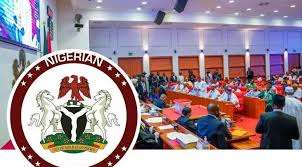
The Nigerian Senate has taken a decisive step towards addressing the longstanding need for constitutional reform by inaugurating a 43-member committee tasked with reviewing the 1999 Constitution of the Federal Republic of Nigeria. Chaired by Deputy Senate President Jibril Barau, with Senate Leader Bamidele Opeyemi serving as Vice Chairman, the committee comprises 43 Senators representing each state of the federation, including the Federal Capital Territory (FCT), as well as an additional six members representing the country’s geopolitical zones and all female senators of the 10th Senate. In his announcement, Senate President Godswill Akpabio emphasized the urgency of revisiting the 1999 constitution, highlighting the necessity for a major review to better serve the interests of Nigerians. Akpabio further directed the Deputy Senate President to engage Speakers of State Houses of Assembly in preparatory discussions prior to commencing the review process. During the inaugural address, Committee Chairman Jibril Barau outlined the committee’s strategic approach, emphasizing collaboration with the House of Representatives and state Houses of Assembly to achieve comprehensive results. Barau underscored the importance of consulting with stakeholders from diverse sectors to ensure the success of the review process, clarifying that the committee’s objective is to amend select sections of the constitution for the benefit of the Nigerian populace. Echoing Barau’s sentiments, Senate Leader Bamidele Opeyemi affirmed the committee’s commitment to delivering tangible outcomes, acknowledging the critical juncture in the nation’s history and assuring Nigerians that the committee’s work would not adhere to conventional practices. Opeyemi emphasized the inclusion of stakeholders from academia, political groups, and other interest groups in the committee’s deliberations. Additionally, lawmakers emphasized the importance of adhering to timelines and collaborating with the executive branch to ensure a holistic approach to constitutional reform. Representatives assigned to the committee from each geopolitical zone include Senator Adamu Aliero (NW), Senator Orji Kalu (SE), Senator Fadahunsi Francis (SW), Senator Bomai Muhammed (NE), Senator Barinad Mpigi (SS), and Senator Umar Sadiq Suleiman. The Senate review committee aims to identify pertinent sections of the constitution requiring amendment to address contemporary national challenges, with inputs solicited from various stakeholders to inform the revision process.

House of Representatives Advances Bill on State Police to Second Reading

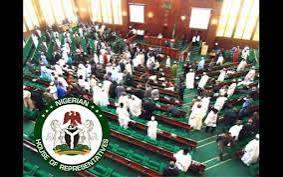
In a decisive move aimed at bolstering Nigeria’s internal security, the House of Representatives has taken a significant step by passing for second reading, the State Police Reform bill. Spearheaded by the deputy speaker and backed by 14 other members, the proposed legislation seeks to amend the 1999 constitution to pave the way for the establishment of state police formation. During Tuesday’s plenary session, members of the House engaged in a robust debate on the merits of the bill. Expressing concern over the nation’s current security landscape, Kalu, standing in for Speaker Abbas Tajudeen, emphasized the paramount importance of prioritizing the safety of Nigerian citizens over political considerations. Babajimi Benson underscored the pressing need for a decentralized approach to law enforcement. With Nigeria’s population exceeding 200 million and a police force of fewer than 400,000 officers, Benson argued that the creation of state police forces is imperative to effectively tackle internal security challenges. Despite facing contention since the Seventh National Assembly, the advancement of the bill marks a notable breakthrough in the legislative process. Notably, governors from the Peoples Democratic Party (PDP) have reiterated their support for state policing, citing it as crucial for addressing the nation’s deteriorating security situation and averting a scenario akin to Venezuela’s. Furthermore, various regional socio-political organizations, including Afenifere, Ohanaeze Ndigbo, the Middle Belt Forum, and the Northern Elders’ Forum, have thrown their weight behind the implementation of state police forces. They view it as a pragmatic solution to the escalating security challenges confronting Nigeria. The bill’s referral to the House Committee on Constitution Review signifies a pivotal phase in its journey through the legislative process. As Nigeria grapples with persistent security threats, the advancement of the bill underscores a growing consensus on the imperative of decentralized law enforcement to safeguard the nation and its citizens.

Akpabio Seeks Saudi Arabia, Nigeria Collaboration On Security, Through Intelligence Sharing

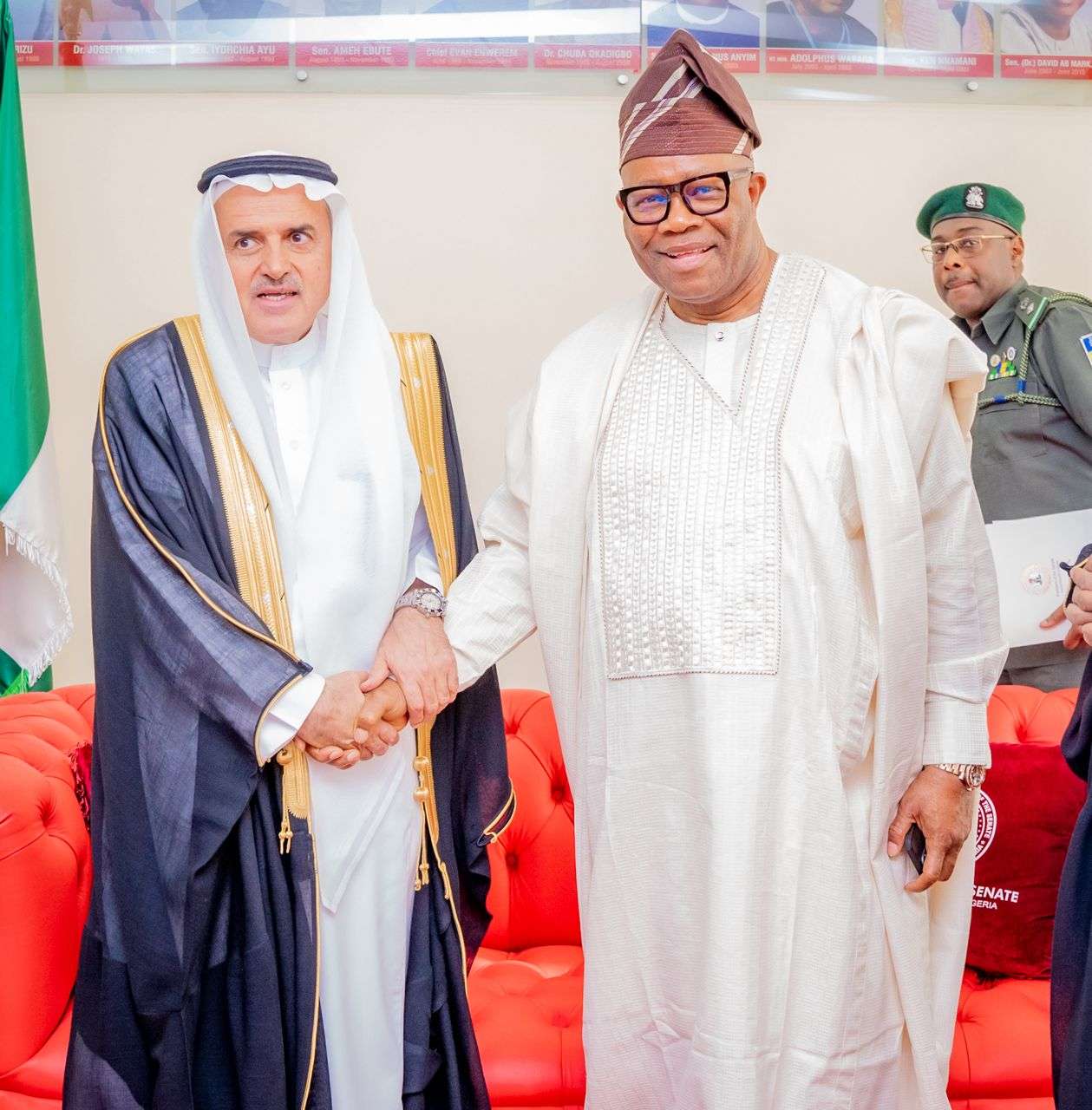
President of the Senate, Godswill Akpabio has called on the Government of Saudi Arabia to assist Nigeria in the fight against insurgency and trans-border terrorism, through sharing of intelligence, assuring that Nigeria intelligence community is ever ready to cooperate with them. Akpabio made the call while receiving in courtesy, members of the Saudi Arabia/ Nigeria Parliamentary Friendship Group, led by Dr Abdullah Bin Hamad Al-Salamah, in his office on Thursday. A release by the Special Assistant On Media to the Senate President, Mr Jackson Udom, quoted him as saying, ” let me welcome you to the Senate of the Federal Republic of Nigeria. We are very delighted to receive you here. Nigeria as a country, has a very strong diplomatic relationship with Saudi Arabia since 1961.” “Nigeria as a country needs a lot of assistance from the Saudi Arabian Government in the area of security. We can only overcome insecurity and trans-border terrorism through sharing of intelligence and I can assure you that the Nigerian security acrhitecture is also ready to cooperate with you.” Akpabio noted that “if you provide intelligence that would aid the fight against insurgency, you would have succeeded in making the world a safe and peaceful place for all of us to live in, because insecurity in any part of the world is insecurity everywhere in the world.” Speaking further, Akpabio stated that “our relationship today, has gone beyond pilgrimages and oil because Nigerians are now studying and working in Saudi Arabia in various spheres of human endeavours. The mutual economic ties and benefits are worth commending, especially in the aviation sector. I congratulate you and the government of Saudi Arabia on the stability of your economic policies that has brought about prosperity in Saudi Arabia.” Akpabio specifically appreciated the Saudi Arabian Government on its Vision 3030 on women’s rights and a major economic transformation in the entertainment and tourism sectors. “Strategically, you are very important to the world in the Gulf of Guinea and if Saudi Arabia is not stable, the entire area of the Gulf of Guinea will not be stable. Anything you do for Nigeria, is not for Nigeria alone, it is for the entire black race and that is why our bilateral relationship must be encouraged. “In your search for economic partners, I want you to take Nigeria as a major partner. We solicit for more investments from you in the area of Oil, Gas and ICT. We would be happy for your collaboration of relationship with OPEC because if you assist OPEC, you are helping Nigeria and the black race to secure and prevent influx of immigrants,” he stated. Earlier in his speech, the leader of the delegation, Dr Al- Salamah stated that their visit to Nigeria and particularly, the Senate was aimed at further strengthening its age-long bilateral relationship with Nigeria and to look for more ways of collaboration and assistance in the overall interest of the two countries. “We are here today to find out areas of future collaborations in terms of bilateral agreements. Nigeria is one of our very strategic partners. Nigeria is very important to Saudi Arabia. We are very proud of its people, government and culture. We are looking forward to seeing Nigeria become a very prosperous country in the area of commerce, economy and political relationship,” he declared.

Tension at NASS over planned tenure elongation…Clerk, over 200 staff due for retirement in Nov plan 5yrs extension

Tension is brewing in the National Assembly, following plans by the Senate to grant concurrence to a controversial bill on extension of retirement age for civil servants in nation’s Parliament and across the 36 State Houses of Assembly. Staff who are apprehensive said attempts by the Senate to pass a Bill for an act to extend the retirement age of the staff of the National Assembly Service from 60 to 65 years of age and from 35 to 40 years of service is counterproductive. According to documents cited by our correspondent, the current clerk to the National Assembly, Sani Tambawal Magaji, joined the National Assembly Service in April 1990 (34 years) and was born in 1965. If the Bill scales through, he will remain in office until he’s 65 and 40 years in service. The Senate had on Wednesday listed the controversial Bill, which had passed third reading in the House of Representative for concurrence after it passed first reading in the Senate some weeks ago. Several attempts had been made by the two Chambers of the apex legislature to extend the retirement age of the members of staff of the National Assembly since 2017. Successive management of the National Assembly bureaucracy since 2017 made attempts to allegedly buy over the leadership and members of the Senate and the House of Representatives to make a law extending the tenure of service as against the condition prescribed by the Public Service Rules which provides for retirement age of persons in the public service of the federation at the attainment of 60 years of age or 35 years of service, whichever comes first. While the management vigorously pursued its goal, the staff of the National Assembly under the aegis of the Parliamentary Staff Association of Nigeria (PASAN) under the chairmanship of Bature Musa rejected the Bill in its entirety. It would rather admonish the management of the National Assembly to ensure the full implementation of the welfare and allowance packages as contained in the service’s Conditions of Service. The rejection of the Bill was attributed to what the workers’ Union termed an “attempt by Clerk to the National Assembly and the management team to perpetuate themselves in office for another 5 years after they are due for retirement from service. The Union in a unanimous decision rejected the Bill, saying that it was against the position of Council of Establishment of the Federation which pegged the retirement age at either 60 years of age or 35 years of service – whichever comes first. The Union also argued that the controversial Bill if passed, will bring stagnation on the career progression of her members, thus would serve only the interest of the management staff, especially those who are due for retirement from service. Again, the Union also averred that the passage of the Bill contravenes the Constitution of the Federal Republic of Nigeria and runs contrary to the Federal Government policy on youth development and empowerment. The Union advanced its argument by illustrating that perpetuating persons who have served the nation for 35 years or attained 60 years of age will not make room for employment of Nigerian youths some of whom graduated for more that 10 years without gainful employment. Consequently, the Union, in a letter, addressed to the President of the Senate and the Rt. Honorable Speaker of the House of Representatives denounced the Bill and threatened industrial action should the legislators go ahead to pass the Bill. It said the Union’s position led the two Chambers to discontinue action on the Bill, which was respectively sponsored by Sunday Akon in the House and Senator Stella Odua in the Senate during 9th Assembly. However, determined to see it through, the management in allegedly reached a deal with the National Assembly Service Commission and smuggled the tenure extension into the Conditions of Service in use in the National Assembly Service, but the Union protested and forced the Commission to expunge it from the revised edition of the Conditions of Service currently in use. The revision led to the retirement of the then Clerk to National Assembly, Ataba Sani Omolori, and 150 staff of the service. However, further attempts were made in the House of Representatives under the speakership of Femi Gbajabiamila, but was rejected by the House thus, the Bill did not see the light of the day under the then Clerk to the National Assembly, Amos Olatunde Ojo. Presently, the management led by the current clerk to the National Assembly, Magaji Sani Tambawal, is again pushing for it. The Bill has passed in the House of Representatives and presently before the Senate for concurrence. The Senate, after taking the first reading of the Bill some weeks ago, reversed itself and listed it for concurrence on Wednesday 14, February, 2024. However, a group of staff of the apex lawmaking body in the land has rejected the attempt by the Senate to concur to the decision of the House of Representatives, citing same reasons adduced by the Union in 2019. The staff queried the move, asking what has changed in 2024 that is motivating the present Assembly to buy into the Bill to the extent that it is in a hurry to get it passed. The workers said the leadership of the Workers Union in the National Assembly Service may have been compromised. The group of staff alleged that the management of the National Assembly, led by Tambawal, got the Sunday Sabiyyi-led Executive of the Union, hence the deafening silence in the Union They accused the chairman of buying into the attempt to stagnate majority of staff and blocking the viable youth population who would be employed into the service upon the retirement of over 200 staff who are due to retire between 2024 and 2026, because of selfish interest as he stands to benefit from the extension if passed and assented to. They wondered why the leadership that led the struggle against the Bill during Omolori and Ojo respectively will now

Nigerian Lawmakers Sponsor Bill To Adopt Parliamentary System Of Government

A proposal to introduce the parliamentary system of government in the country has successfully passed the first reading in the house of representatives.  The bill, backed by 60 lawmakers, was presented during Wednesday’s plenary session.  Currently operating under a presidential system, Nigeria elects its president directly.  In contrast, the parliamentary system involves the legislature appointing a prime minister, with a less distinct separation of powers.  Lawmakers aim for a transition to this system by 2031, citing perceived flaws in the current presidential system. Abdulsamad Dasuki, representing the PDP in Sokoto, highlighted concerns, including the high cost of governance and excessive executive powers. “Among these imperfections are the high cost of governance, leaving fewer resources for crucial areas like infrastructure, education, and healthcare, and consequently hindering the nation’s development progress, and the excessive powers vested in the members of the executive, who are appointees and not directly accountable to the people,” Dasuki said. The lawmakers said they expect the bill to ignite, and provoke a national conversation about the future of the Nigerian governance system. “To ensure robust public debates, stakeholder consultations, expert analyses, and a thorough and informed decision-making process, raise awareness about this significant development and encourage constructive dialogue on the potential implications of these proposed constitutional alterations,” they said. “Our conviction is that a streamlined executive branch, which replaces the president and vice president with a prime minister and cabinet chosen from the legislature could lead to a smaller central government, reducing salaries and administrative expenses. “We also hold strongly that shifting the election of governors and local government chairmen from the general election to votes within their respective legislative bodies could save billions spent on state and nationwide campaigns,” he said.